
A new survey has revealed that a majority of Kenyans who fail to undergo routine health screening do so because they feel healthy.
The Know Your Numbers Survey found that 72 per cent of respondents who had not undergone recent health checks believed they did not need screening because they had no symptoms.
This was significantly higher than those who cited lack of time at 18 per cent, inconvenient screening hours at 12 per cent and cost at 10 per cent.
The national survey was commissioned by Doctors for Healthy Living and conducted by Ipsos Kenya among 1,100 economically active adults living in urban and peri-urban areas.
According to the findings, most respondents were familiar with key health indicators, but only a small proportion monitored them regularly.
Awareness was highest for blood pressure at 90 per cent, followed by blood sugar at 78 per cent, Body Mass Index at 66 per cent and cholesterol at 63 per cent.
Only 25 per cent of respondents were aware of waist circumference as an indicator of the risk of diabetes and cardiovascular disease.
Despite the high awareness levels, just 38 per cent of respondents had tested their blood sugar within the previous 12 months.
Only 10 per cent had checked their cholesterol, while six per cent had measured their waist circumference during the same period.
The survey further established that 79 per cent of respondents had checked their blood pressure at least once in their lifetime, while 59 per cent had measured their BMI.
Lifetime screening rates were, however, lower for blood sugar at 47 per cent, cholesterol at 15 per cent and waist circumference at nine per cent.
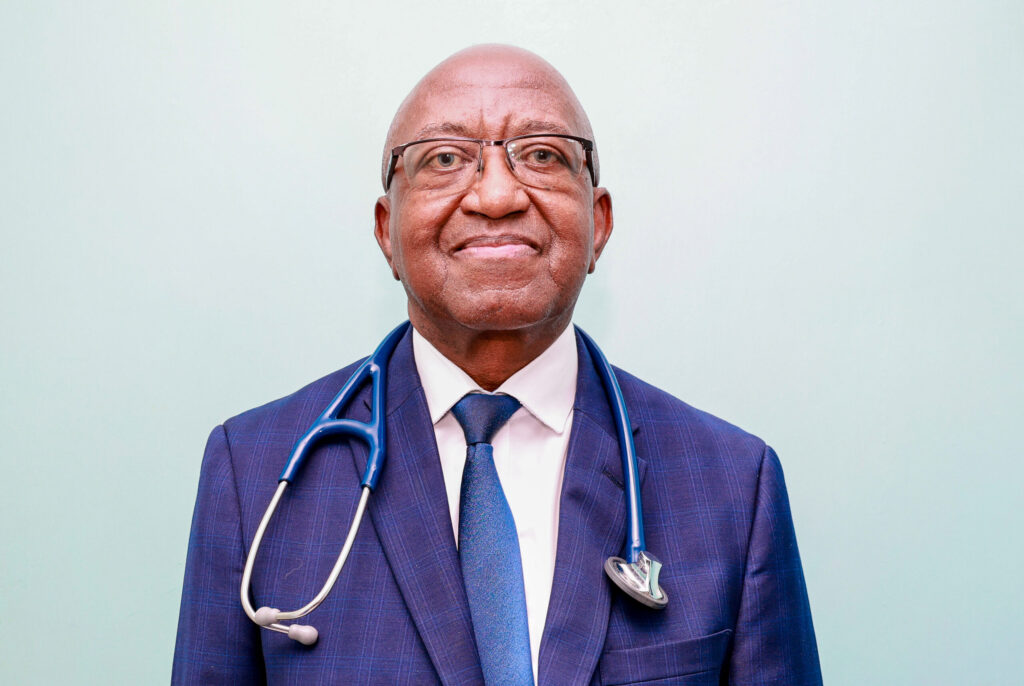
Doctors for Healthy Living co-founder Dr Robert Mathenge warned that the absence of symptoms did not necessarily mean that a person was free from illness.
“One of the biggest challenges in preventive healthcare is that many people equate feeling healthy with being healthy,” Mathenge stated.
“Conditions such as hypertension, Type 2 diabetes, high cholesterol and even cancer can develop without obvious symptoms. Detecting health risks and disease early can improve the chances of timely treatment and better outcomes.”
The survey also found that women recorded higher awareness and screening rates than men across nearly all the health indicators assessed.
Mathenge noted that the study primarily covered urban and economically active Kenyans, meaning awareness levels could be lower in rural communities.
He called for health literacy and preventive screening initiatives to be expanded beyond major urban centres.
Hospitals and clinics remained the most preferred places for routine screening, with 80 per cent of respondents choosing private facilities and 71 per cent selecting public health facilities.
Pharmacies were preferred by only 17 per cent of respondents despite being among the healthcare facilities most frequently visited by Kenyans.
Doctors for Healthy Living Head of Partnerships Anthony Mugo said screening services should be made more accessible through workplaces, pharmacies and other everyday service points.
“Knowing your numbers should become as routine as servicing your car or renewing your insurance,” Mugo stated.
“The easier and more routine we make screening, the greater our chances of detecting disease early and safeguarding our health.”
The findings come amid a growing burden of non-communicable diseases in Kenya, including hypertension, diabetes, cancer, obesity and cardiovascular disease.
According to the World Health Organisation, non-communicable diseases account for 74 per cent of deaths globally, with low- and middle-income countries carrying the greatest burden.