
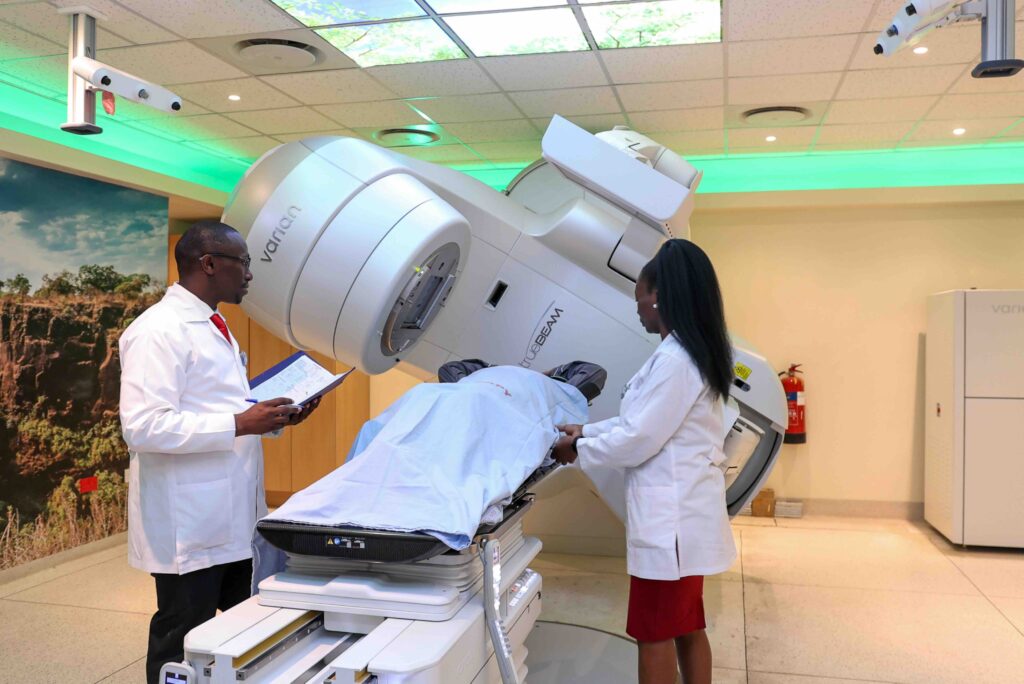
Aga Khan University (AKU) has brought together more than 170 neurosurgical specialists, faculty members and residents from Africa and Europe for a specialised training programme aimed at strengthening neurosurgical care across the continent.
The Pan-African European Association of Neurosurgical Societies (EANS)-Supported Training Course, which runs until November 13, focuses on equipping neurosurgeons with the latest scientific knowledge, surgical techniques and practical approaches to managing complex neurological conditions.
The training comes amid a severe shortage of neurosurgeons in Africa. According to a 2024 study published in the Journal of Neurosurgery, the continent has just 0.11 neurosurgeons per 100,000 people, compared to a global average of 0.93 and 2.44 in high-income countries.
“Despite having a population of approximately 1.5 billion people and one of the world’s youngest and fastest-growing populations, Africa continues to face a significant shortage of neurosurgeons and neuroscience specialists,” said Dr Beverly Cheserem, Consultant Neurosurgeon at Aga Khan University Hospital, Nairobi.
The programme covers key areas including brain and spinal tumours, paediatric neurosurgery and neuroendoscopy, while exploring how international treatment guidelines can be adapted to resource-constrained African healthcare settings.
Prof Edwin Mogere, Consultant Neurosurgeon at Aga Khan University Hospital, said the initiative seeks to build a highly skilled workforce capable of delivering quality neurosurgical care locally.
“We want to build the most competent group of neurosurgeons on the African continent, equipped to provide the best possible care to our patients locally,” he said.
The programme also promotes collaboration between African and European specialists through lectures, clinical case discussions and knowledge exchange, with the aim of improving specialist training and patient outcomes across the continent.