When Italian artist Franz Cerami came to Kenya, he was not chasing the usual postcards of safari sunsets, city skylines or sweeping landscapes. He came looking for faces.
Across Kenya’s coffee-growing and processing communities, Cerami met the women and men whose hands, patience and skill shape one of the country’s most treasured exports. Farmers, pickers, processors, scientists, exporters and workers became the heart of his new multimedia art project, Jute Portraits, a moving tribute to the people behind Kenya’s coffee story.
The result is more than an art exhibition. It is a cultural encounter between Kenya and Italy, two countries connected by one of the world’s most beloved rituals: coffee.
Italy is famous for its espresso culture, where coffee is not just a drink but a daily language of conversation, work, pause and connection. Kenya, on the other hand, produces some of the finest coffee in the world, prized for its quality, flavour and global reputation. Yet between the café cup and the export market are people whose stories are often hidden.
Cerami’s work brings those people into the light.
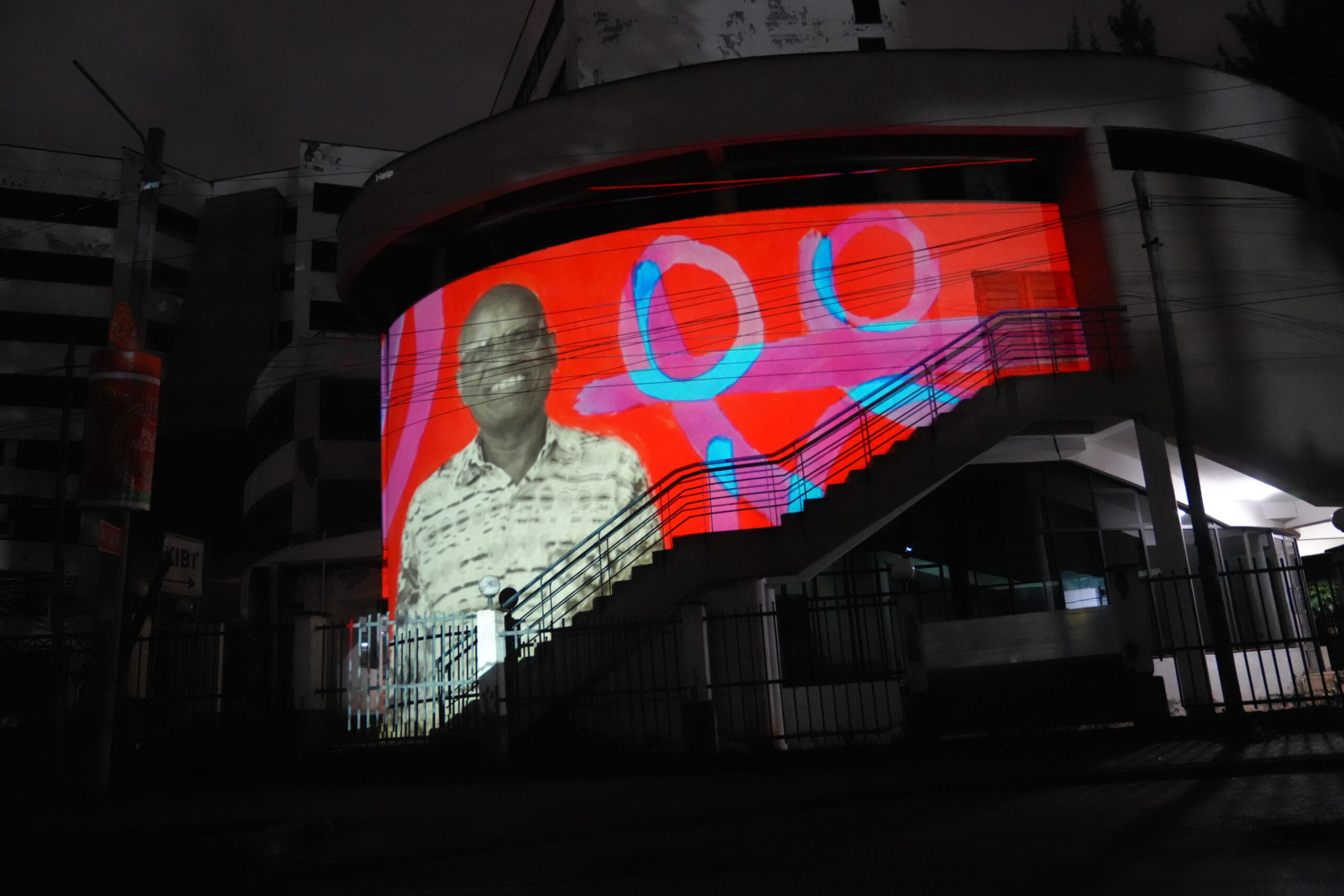
During his journey through Kenya in March, the Naples-born artist photographed about 300 people across the coffee value chain. Back in his studio, he transformed the images using photography, watercolour, graphite and digital painting, creating portraits that are intimate, colourful and deeply human.
The title Jute Portraits refers to the jute sacks commonly used to carry coffee. But in Cerami’s hands, the phrase becomes something larger. It speaks to movement, labour, memory and the long journey Kenyan coffee makes from farms and communities to international markets and cultural spaces.
“Behind every cup of coffee are many hands and many stories,” Cerami says. “There are people who work the land, people who harvest the coffee, people who shape the flavour, people who process it, and people who carry it through the value chain.”
That idea sits at the centre of the project. Instead of focusing on coffee as a product, Jute Portraits focuses on coffee as a human story.
For Nairobi audiences, the project has already created striking public moments, with portraits projected onto buildings and public spaces. These large-scale images invite passers-by to stop, look up and meet the people behind the familiar cup. In a city where art can sometimes feel tucked away in galleries or private spaces, Cerami’s projections bring contemporary art into everyday life.
They also shift the gaze. Coffee workers are no longer anonymous figures behind an export statistic. They become subjects of beauty, dignity and global attention.
One of the most powerful moments for Cerami came when he photographed a 95-year-old woman whose face, strength and smile stayed with him long after he left Kenya. Her portrait captures what the entire project seeks to show: that work, memory and resilience are part of culture too.
The project forms part of Italy’s National Day celebrations in Kenya and is supported by the Embassy of Italy in Kenya, the Italian Cultural Institute and UNIDO. For H.E. Vincenzo Del Monaco, Ambassador of Italy to Kenya and Seychelles, Jute Portraits is a vivid example of cultural diplomacy.
“Coffee is not just a beverage. It is an economic story, a cultural story and a human story,” the Ambassador says. “Behind every cup of coffee there is a supply chain, and behind every supply chain there are human beings.”
That message feels especially relevant now, as Kenya continues to push for greater value addition in agriculture, stronger creative industries and deeper international partnerships. The country’s coffee sector has long been admired globally, but projects like Jute Portraits ask audiences to look beyond quality and price, and to see the people whose labour gives the product its meaning.
The Kenya-Italy connection also runs deeper than coffee. Italy brings a rich heritage of design, food culture, machinery, craftsmanship and visual art. Kenya brings world-class coffee, agricultural strength, a young creative economy and a growing presence as a regional hub for culture, diplomacy and innovation.
Through Jute Portraits, these connections are not explained in policy language. They are seen in colour, light and human expression.
The portraits are expected to travel beyond their public installations in Kenya to major cultural and institutional platforms, including UNIDO headquarters, the National Museums of Kenya, the Ministry of Culture and United Nations spaces in Nairobi. As they move, they will carry with them the faces of the people who make Kenyan coffee possible.
That is what makes this project powerful. It is not simply about an Italian artist exhibiting in Kenya. It is about Kenya becoming the centre of a global artistic conversation. It is about rural workers, processors and scientists being recognised not only as contributors to an economy, but as people with presence, skill, beauty and cultural value.
For the lifestyle world, Jute Portraits is a reminder that culture is not only found in galleries, fashion shows or luxury spaces. Sometimes it is found in the farm, the factory, the processing station, the worn hands that sort beans, and the faces that carry generations of knowledge.
Every cup of coffee has a story. Through Franz Cerami’s Jute Portraits, Kenya is inviting the world to finally look at the people who make that story possible.