
As Kenya’s tourism sector grows, hotel security is becoming an increasingly important part of the guest experience. For travellers, choosing a hotel is about more than the room, the location or the amenities. Feeling safe and being safe really matters. For hotels, security is no longer something that sits quietly in the background. It is increasingly becoming part of the overall guest experience.
Think about it. When you check into a hotel, you want to feel secure, but you don’t necessarily want to feel like you’re entering a high-security facility. You want to see that someone is looking out for you without constantly being reminded that security is there. That is the balance that hotels today need to achieve.
A security lapse can quickly affect more than just a guest’s stay. It can damage a hotel’s reputation, affect guest confidence and influence whether someone chooses to return or recommend the property to someone else.
One of the most important aspects of hotel security is getting the visibility right. Good hotel security should work in the background while guests enjoy their holiday. This means that security should be reassuring, not intimidating. Guests should be able to see that security personnel are present and alert, but security should not make them feel uncomfortable. A welcoming security officer who is attentive and approachable can provide reassurance while still allowing guests to enjoy their stay.
This is where having security personnel who understand the hospitality environment becomes important. Hotel security is not simply about watching entrances and responding to incidents. It is also about understanding how to interact with guests, employees and visitors while remaining vigilant. Security teams should also be equipped to identify potential risks, respond appropriately to incidents and work closely with hotel management to maintain a safe environment without disrupting guest services.
With advancement in technology, the way hotels approach security must change. Today hotels must leverage on technology to add another layer of protection without taking away from the warm and welcoming experience guests expect. Solutions such as smart surveillance, electronic keycard systems, perimeter sensors and smart elevator systems can provide hotels with additional ways to monitor and protect their premises. However, technology works best when supported by trained personnel who can interpret alerts, assess situations and respond promptly when necessary. Hotels must also ensure that surveillance and access-control systems are used responsibly, with appropriate safeguards for guests’ privacy.
It is also important to note that even with security, every hotel is different, and therefore there is no one-size-fits-all solution. A property in a busy city centre may face different security considerations from a hotel in a tourist destination outside the city. The size and design of the property, its location, the people it serves and the risks around it all need to be considered.
This is why hotel security should start with understanding the specific risks facing each property. A proper risk assessment can help hotel management identify vulnerabilities and determine where security resources are most needed. This allows hotels to invest wisely rather than simply adopting security measures because they are considered standard practice. Regular reviews are equally important, as a property’s risks can change with occupancy levels, events, staffing arrangements and seasonal travel patterns.
Travellers want to know that the hotel they choose is taking their safety seriously. Employees also need to feel protected while doing their jobs, and hotel owners need confidence that their people, property and reputation are being safeguarded. Achieving this requires a coordinated approach that considers the safety of guests and employees, the protection of assets, and the hotel’s ability to maintain operations when incidents occur.
As tourism continues to grow across Kenya and East Africa, and with the holiday season approaching, hotels have an opportunity to rethink security not simply as a cost, but as an investment in guest confidence, business continuity and reputation. Achieving this requires a combination of well-trained people, the right technology and a security strategy built around the unique needs of the property.
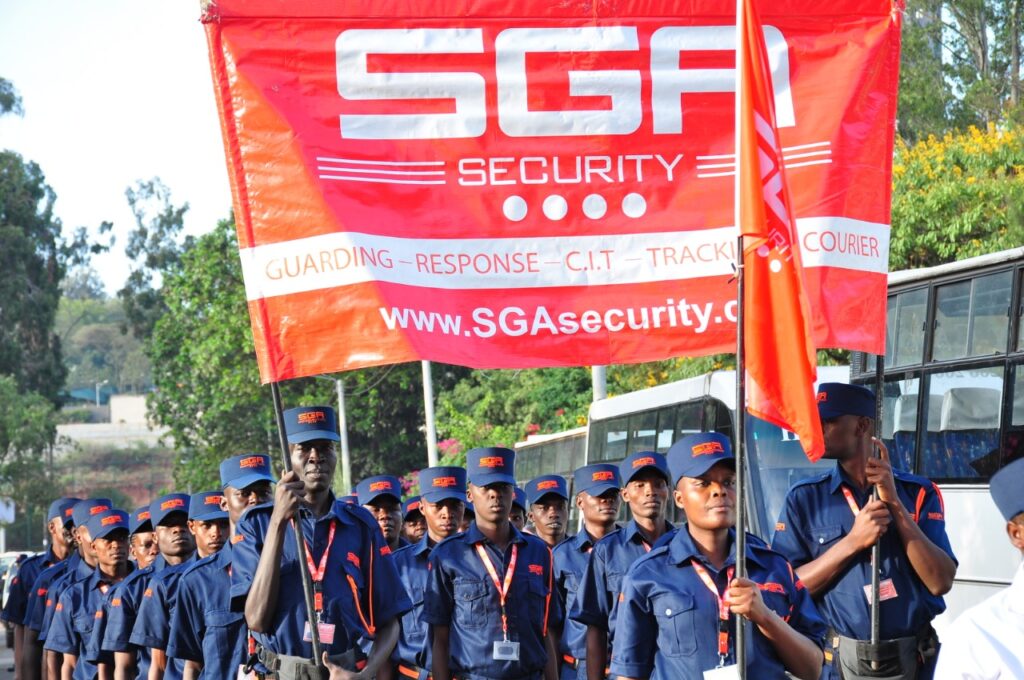
Effective hotel security depends on combining well-trained personnel, appropriate technology and a strategy informed by the specific risks facing each property. As a provider of guarding and technology-enabled security solutions, SGA Security works with businesses to help protect people, property and assets while supporting the safe and welcoming environments that guests expect.
The writer is SGA Kenya Sales and Marketing Manager.