
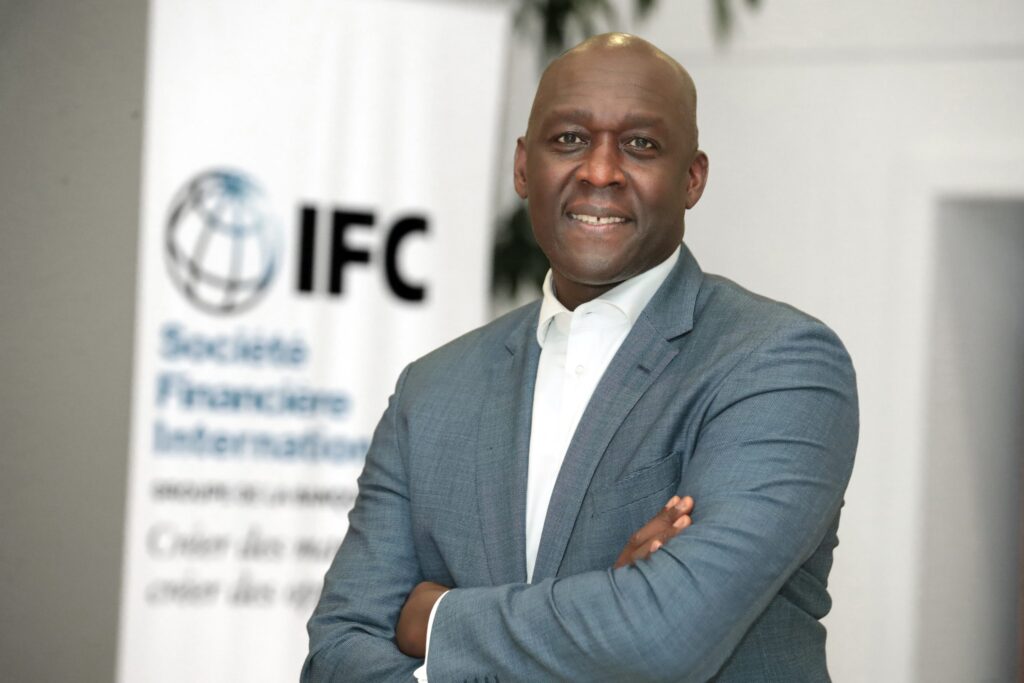
Makhtar Diop, managing director of the International Finance Corporation, is in Nairobi this week as the World Bank Group steps up efforts to mobilize private capital for African development.
Diop is leading the World Bank Group delegation to Africa Forward: Partnerships between Africa and France for Innovation and Growth, a high-level summit taking place Monday and Tuesday in Kenya’s capital. The gathering is expected to bring together heads of state, government officials, international organizations, business leaders, entrepreneurs and civil society representatives to explore ways of deepening Africa-France partnerships around innovation, growth and development finance.
The summit comes as African governments face rising pressure to attract investment into infrastructure, manufacturing, agribusiness, health care and other job-creating sectors, while also navigating tighter global financing conditions. Organizers say the forum will focus on mobilizing the private sector for sustainable impact, rethinking Africa’s development-finance architecture and improving coordination across the continent.
While in Kenya, Diop is also scheduled to meet heads of state, government ministers and private-sector partners to discuss how the World Bank Group can support growth, job creation and national development priorities in partner countries.
IFC, the World Bank Group’s private-sector arm, said it committed $15.3 billion in Africa in 2025, including financing mobilized from third-party investors. Its work on the continent is focused on sectors the institution sees as having strong potential for employment and skills development, including strategic infrastructure, agribusiness, manufacturing, health, tourism, sports and creative industries.
Diop, a former Senegalese finance minister and World Bank vice president for Africa, has led IFC since 2021. His tenure has emphasized private-sector-led growth, blended finance, de-risking tools and public-private partnerships to draw investment into emerging markets and economies affected by limited access to capital.
Globally, IFC said it committed a record $71.7 billion in fiscal 2025 to private companies and financial institutions in developing countries, underscoring the institution’s push to use private capital as a tool for poverty reduction and climate-resilient growth.