International Men’s Day offers us an opportunity to focus on a conversation that has long been postponed. Rather than a celebration, the day calls for a sober reflection on the realities that many men live through, often quietly and without support. In a society where strength is still defined as emotional silence and the ability to carry every burden without complaint, men continue to shoulder pressures that are affecting their mental, physical and social wellbeing.
Mental health is one of the most urgent areas of concern. Men continue to face high levels of stress, depression and anxiety, but many do not seek support. Growing up, they are taught to persevere, to be dependable and to remain calm regardless of personal difficulty. This social script leaves many unable to admit when life becomes overwhelming. Instead of speaking out, men often withdraw or struggle privately until the situation becomes unmanageable. The problem is not only personal, it reflects a culture that discourages vulnerability and a health system that still fails to meet the scale of need.
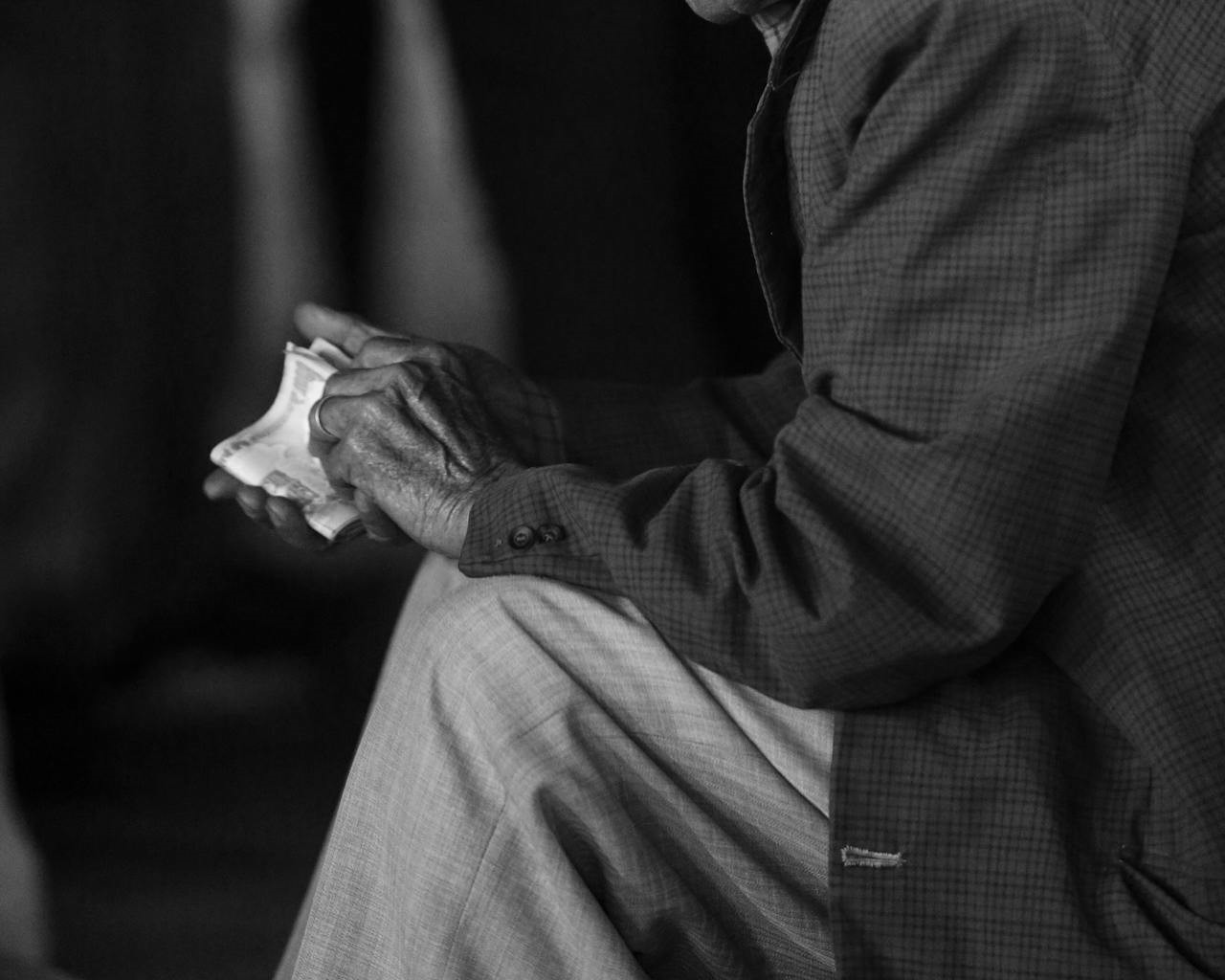
Economic strain has compounded these pressures. The traditional expectation that a man must be the main provider persists, even as economic realities have changed significantly. Job losses, the rising cost of living and financial instability have left many men struggling to meet expectations set long ago. For some, losing income is not only a financial shock but an emotional and identity crisis. When provision becomes the measure of manhood, men who find themselves unable to meet this standard often retreat into silence driven by shame and helplessness.
There is also a growing physical health challenge. Lifestyle related conditions such as high blood pressure, diabetes, heart disease and obesity are rising among men. Many do not go for screening or preventive care until illnesses are advanced. The same norms that discourage emotional honesty also prevent men from admitting they are unwell or seeking medical help early. The outcome is a growing toll on families, workplaces and the health system.
International Men’s Day should therefore be a turning point. We needs to create spaces where men feel free to speak without judgement. Conversations about emotional strain and mental wellbeing should take place in places where men gather naturally including offices, social groups, sports spaces, places of worship and neighbourhood settings. Support must meet men where they are rather than expecting them to overcome the cultural hesitation alone.
There is also a need to redefine what strength means. True strength includes the ability to say that things are difficult and to ask for help when needed. Men should be encouraged to understand that responsibility does not mean silence and that courage includes acknowledging vulnerability. Public figures, community leaders and mentors can play an important role by modelling this broader definition of masculinity.
Policy responses must also evolve. Mental health should be fully integrated into primary health care. Regular screening for lifestyle diseases should be promoted and supported. Public education campaigns should challenge the outdated belief that seeking help is a form of weakness. Families and schools should also play a role by raising boys who learn that emotional awareness is not at odds with responsibility.
International Men’s Day matters because the issues facing men affect the entire society. When men struggle silently, families absorb the consequences, workplaces lose productivity and communities lose stability. Supporting men is not an act of shifting attention away from women or other groups. It is a recognition that a healthy society is one in which every group is understood and supported.
We have an opportunity to change the narrative. A more open, supportive and realistic understanding of masculinity would benefit everyone. On this International Men’s Day, the most meaningful action is not celebration but the willingness to begin speaking honestly about the burdens that men carry and the national cost of ignoring them.