IMF Staff and Nigerien Authorities have reached an agreement at the staff level on the second review of Niger’s economic program under the Extended Credit Facility (ECF); Economic activity is expected to recover this year, should keep momentum in 2023, and accelerate over the medium-term, driven by higher oil production and the implementation of the authorities’ structural reform agenda. But this positive outlook is subject to downside risks; Going forward, authorities should continue to prioritize reforms to build resilience by enhancing domestic revenue mobilization and the efficiency of public spending, fostering the development of the private sector and economic diversification, improving the education system, and strengthening governance.


An International Monetary Fund (IMF) staff team led by Mr. Antonio David held meetings from October 5 to November 2, 2022, on the second review of the three-year arrangement with Niger supported by the Extended Credit Facility (ECF). The team also conducted the 2022 Article IV consultation.
At the end of the mission, Mr. David issued the following statement:
“The Nigerien authorities and the IMF team reached a staff-level agreement on the second review of Niger’s economic program under the Extended Credit Facility. The staff-level agreement is subject to IMF Management and Executive Board approval. The Board meeting is expected to take place in December. The review’s completion would allow the disbursement of SDR 39.48 million (about US$ 50.7 million, or 30 percent of Niger’s quota) to Niger to cover external financing needs.
“The ongoing recovery in agriculture and private investment are expected to boost GDP growth to 7.1 percent in 2022, while inflationary pressures from food prices have eased, resulting in year-on-year inflation of 3.2 percent at end-September. The impact of the war in Ukraine was mostly felt through higher global food, petroleum, and fertilizer prices, given limited direct trade links.
“The fiscal stance is accommodative this year with the fiscal deficit projected to widen to 6.8 percent of GDP, as the authorities address urgent spending needs to mitigate the effects of the food crisis and a deterioration of the security situation.
“Economic activity should keep momentum in 2023 and accelerate in outer years. Growth is projected to reach 7.0 percent next year, driven by higher oil production—with the expected start of exploitation of the Agadem oilfield—and the recovery in the agricultural sector. Growth should reach double-digits in 2024 as oil production picks up and the implementation of the structural reform agenda bears fruit. Inflationary pressures should continue to gradually ease with the expected recovery in agricultural production and the normalization of supply chains.
“Nevertheless, this positive outlook is subject to downside risks. In particular, delays in the construction of the pipeline would significantly impact growth and worsen the fiscal and external positions. Other risks include a deterioration of the security situation in the Sahel, volatility in commodity prices with higher food import prices impacting inflation and the external accounts, and unfavorable climatic conditions affecting performance in the agricultural sector.
“The three-year arrangement under the ECF is supporting Niger’s recovery, while reinforcing macroeconomic stability and laying the foundations for resilient, inclusive, and private sector-led growth.
“Program performance until end-June 2022 was broadly satisfactory. All quantitative performance criteria (QPCs) were met, and all five indicative targets (ITs) were observed. In addition, most structural benchmarks (SBs) were met, including the adoption of a roadmap for the review and simplification of the tax system.
“Going forward, authorities should continue to prioritize reforms to enhance domestic revenue mobilization and improve the efficiency of public spending. These include ongoing initiatives to revise the tax code to increase efficiency by shifting the burden of taxation away from production factors; to promote digitization of tax administrations and the expenditure chain; and to improve the efficiency of social spending and public investment management.
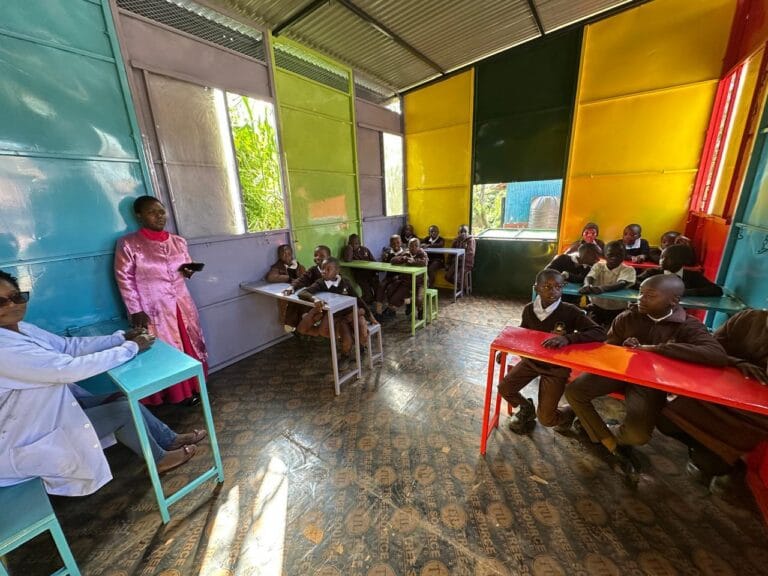
“Enhancing Niger’s education system is one of the key pillars of the authorities’ newly adopted Economic and Social Development Plan. Ongoing initiatives in that area include efforts to improve access to education, teaching quality, and infrastructure. Authorities are also encouraged to implement broader measures to reduce gender disparities, notably by promoting girls’ education and fostering women’s access to the financial system.
“Given the importance of rain-fed agriculture and pastoral activities, Niger’s economy remains highly vulnerable to climate shocks and ensuing food insecurity. In that context, reforms to build resilience to climate change and its consequences are crucial, including investments in irrigation systems, strengthening of social safety nets, and developing a robust framework for climate-smart agriculture.
“The IMF will continue to support the authorities’ efforts to strengthen governance and transparency. Building on recent achievements, the mission welcomes the adoption of the new AML/CFT strategy and its action plan.
“The mission met his Excellency President Mohamed Bazoum. The mission also held working sessions with the Minister of Finance, Dr. Ahmat Jidoud, the Minister of Planning, Dr. Rabiou Abdou, the National Director of the BCEAO, Mr. Maman Laouane Karim, as well as other senior government officials.
“The team would like to thank the authorities for their cooperation, and for the constructive and productive discussions.
Distributed by APO Group on behalf of International Monetary Fund (IMF).