Kenya’s private sector experienced a further slowdown in June 2025, marking the second consecutive month of decline in business activity, according to the latest Stanbic Bank Kenya Purchasing Managers’ Index™ (PMI®) compiled by S&P Global. The headline PMI fell to 48.6 in June from 49.6 in May—its lowest reading in 11 months—signalling a modest but broad-based deterioration in business conditions.
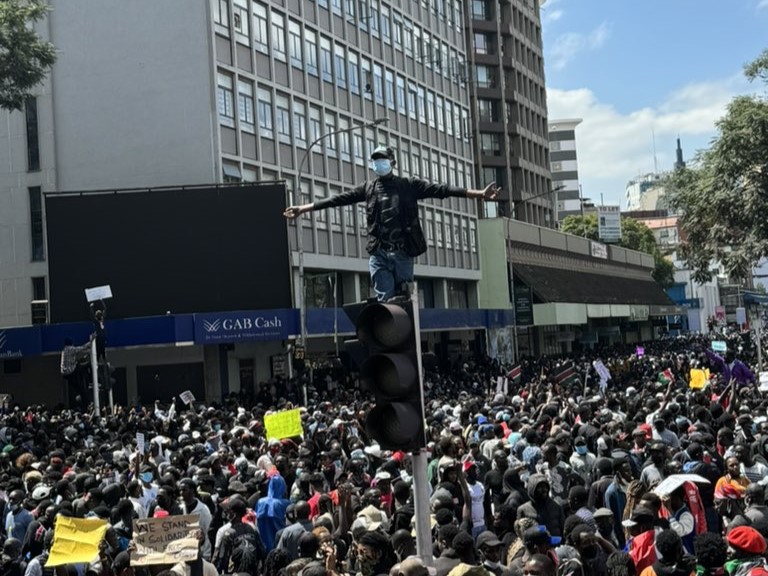
The decline was primarily attributed to a solid contraction in output and new orders. More than one-third of the surveyed businesses reported a drop in sales, while only 20% noted an increase. Respondents linked the downturn to a combination of lower consumer spending, ongoing economic challenges, and renewed disruptions caused by social protests. These headwinds disrupted operations and subdued demand across sectors.
Despite the contraction, the June report offers a silver lining: business sentiment improved significantly. Optimism about the year ahead climbed to its highest level since May 2024. Approximately 18% of firms surveyed expressed confidence in increasing their output in the coming year, driven by expectations of stronger sales and market expansion.
Employment trends also painted a slightly more positive picture. Staffing levels rose for the fifth month in a row, albeit marginally, suggesting some resilience in labour demand. Meanwhile, supplier delivery times improved at the fastest pace in nearly two years, thanks in part to reduced road congestion and heightened competition. However, some firms continued to face delays stemming from port clearance issues and material shortages.
Inventory levels rose sharply in June, reaching their highest growth rate since October 2022. This was attributed to both strategic stockpiling and hopeful demand expectations. Still, actual purchasing activity saw its steepest drop since July 2024, as firms curtailed buying in line with weaker sales.
Inflationary pressures also crept up. Input prices rose at the fastest pace since January, largely due to rising wage costs. However, purchase price inflation eased to a four-month low, and output prices increased only modestly. The overall price environment, while tighter, remained relatively contained. According to Standard Bank Economist Christopher Legilisho, “Input prices, purchase prices, staff costs and output prices all increased in June but only matched, or came below, the long-term average—implying that inflationary pressures are both low and contained.”
He added that the June PMI figures reveal a mixed outlook: “The dip in activity was due to output and new orders contracting because of weaker consumer spending, challenging economic conditions, and social protests. Still, employment grew, and inventories expanded for a sixth month running, likely related to improved expectations for businesses over the coming year.”
The data were collected from 12–26 June 2025 and reflect the views of purchasing managers across Kenya’s private sector, including agriculture, mining, manufacturing, construction, wholesale, retail, and services.
While the economic landscape remains volatile, the uptick in business confidence suggests that firms are beginning to look beyond short-term disruptions and plan for recovery. The coming months will reveal whether this optimism translates into actual economic rebound or remains a cautious hope in the face of persistent challenges.