Kenya’s private sector closed 2025 with another solid expansion in business conditions, supported by strong customer demand, rising sales and renewed hiring, according to the latest Stanbic Bank Kenya Purchasing Managers’ Index (PMI).
The headline PMI rose to 53.7 in December, signalling a robust improvement in non-oil private sector activity. Although slightly lower than November’s 55.0 reading, the December figure marked one of the strongest performances in four years, confirming sustained growth momentum as the year drew to a close.
Survey results showed that business activity and output continued to rise at a sharp pace, driven largely by increased order volumes. While output growth was marginally softer than November’s five-year high, it remained historically elevated, reflecting resilient demand across key sectors of the economy.
Firms also reported a strong increase in sales during December. Respondents cited improved tourism, stronger overall demand, increased advertising and the ability to pass on relatively subdued cost pressures through more competitive pricing as key factors supporting sales growth.
Employment growth stood out as a major highlight of the December survey. Staffing levels expanded at the fastest rate since November 2019, as companies increased capacity to meet current workloads and prepare for anticipated growth in 2026. The construction sector was among those reporting notable gains in hiring, reflecting ongoing efforts to stimulate economic activity.
Purchasing activity also rose sharply, extending a three-month run of growth. Companies stepped up input buying to build inventories, secure supply chains and strengthen their competitive positions. This was supported by a marked improvement in supplier performance, with average delivery times shortening at the fastest pace in more than four years.
Despite the positive demand environment, inflationary pressures showed signs of reacceleration. Input costs rose at the quickest pace in four months, reversing an 18-month low recorded in November. Firms attributed higher costs to increased tax burdens, as well as higher fuel and material prices. Output prices also increased, recording their strongest rise since July, although overall cost pressures remained below long-term averages.
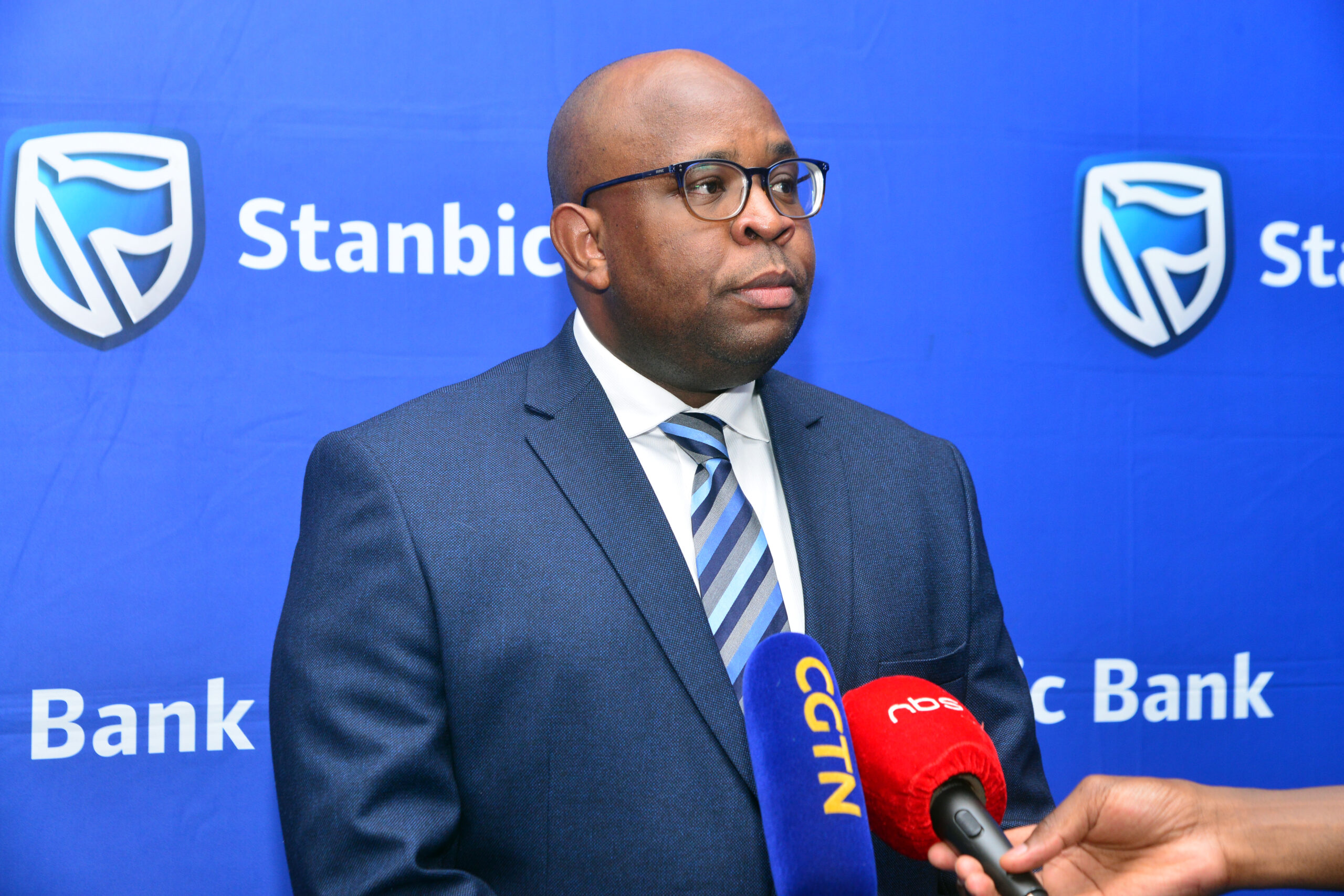
Commenting on the results, Christopher Legilisho, Economist at Standard Bank, said the PMI’s continued expansion signalled resilient demand conditions at the end of the year.
“The Stanbic Bank Kenya PMI stayed in expansion territory, implying still strong demand conditions are driving new orders and lifting output in the private sector,” Legilisho said. “Year-end output is therefore likely to turn out healthy, with firms in most sectors highlighting increased employment and higher input purchases in response to improving conditions.”
He added that the recent rise in input and output prices could point to firmer inflation in the months ahead as consumer demand strengthens and business confidence improves.
Looking forward, business sentiment remained positive. Expectations for output in 2026 improved slightly compared to November, with firms pointing to investment plans, diversification, staffing increases, product rebranding and expanded advertising as drivers of future growth.
Data for the December PMI were collected between 4 and 19 December 2025 from a panel of around 400 private sector companies across agriculture, manufacturing, construction, services, wholesale and retail, underscoring a broad-based improvement in Kenya’s private sector as it enters the new year.