Saturday, August 22, 2026
  • About
  • Advertise
  • Careers
  • Contact
  • Business
    • Deals
  • OpEds
  • Sustainability
  • Women in Business
  • Lifestyle
  • Featured
  • Technology
    • Phones
  • Sports
  • World
  • Contact Us
No Result
View All Result
No Result
View All Result

Home » Technology » New AI and IoT-Powered 360-Camera System to Prevent Human-Wildlife Conflict in Kenya 

New AI and IoT-Powered 360-Camera System to Prevent Human-Wildlife Conflict in Kenya 

by Queen Amber
2 years ago
in Technology
Reading Time: 1 min read
A A
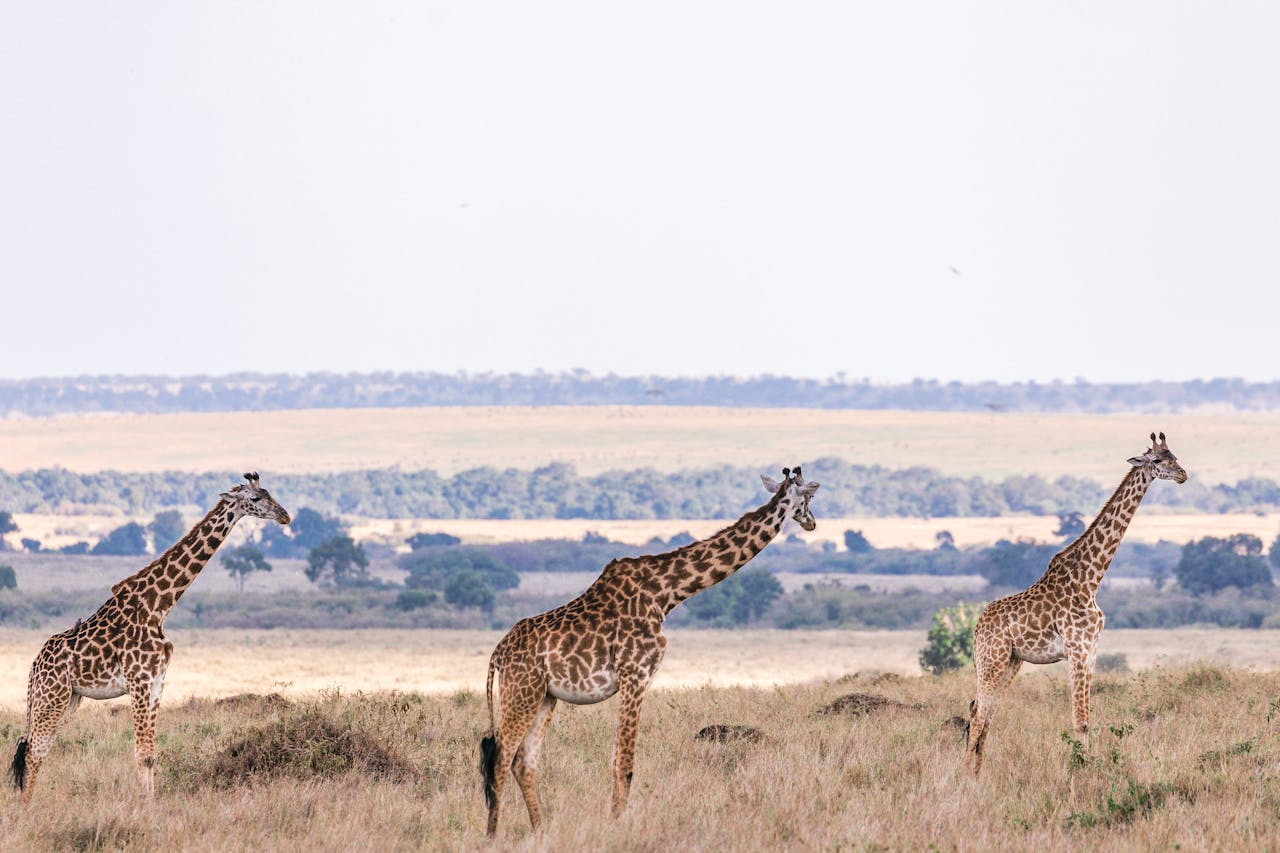
Photo of Three Giraffes Standing on a Grassland

Photo of Three Giraffes Standing on a Grassland /Pexels

Share on FacebookShare on TwitterShare on WhatsApp

Safaricom has partnered with Vodafone and WWF to create a new AI-powered solution known as m-Twiga to deter Human-Wildlife conflict.

m-Twiga is a cutting-edge 360-camera system that combines Internet of Things (IoT) and AI technology to detect and identify animals within the vicinity. When an animal is detected, the camera system reacts by sending an SMS to alert the wildlife rangers of the animal’s presence and activating a deterrent, such as flashing lights or specific sounds, to ward off the animal.

Human-wildlife conflict occurs when animals and people stray into each other’s ecosystems or compete for the same resources, leading to a negative result. Examples, unfortunately, include wild animals attacking and injuring or killing people, destroying crops, or killing livestock, which often leads to retaliatory killing of the animals. The far-reaching impacts of climate change and the ever-shrinking habitats make the situation worse. 

Following testing at the UK’s Longleat Safari Park, the team recently conducted their first field test in Kenya. According to WWF Kenya, over 60% of the country’s wildlife live in communities and private lands outside Protected Areas, where human-wildlife conflict cases are most common. 

Evaluating the solution in Kenya’s Mara Siana Community Conservancy has allowed the development team to collect a vast amount of data on animals in their natural habitat, which helps the AI model identify them more quickly and effectively.  

Tags: AIIoTSafaricomVodafoneWWF
Previous Post

Stanbic Bank, Mobikey MoU to make trucks & trailers affordable in Kenya

Next Post

Quitting Cigarettes Is Primary Motive Of Vape And Pouch Users, Survey Shows

Related Posts

Sports

Vihiga Cranes, Lugari Progressive Crowned Safaricom Chapa Dimba Western Region Champions

18 August 2026
Technology

Agentic AI Could Transform Financial Fraud in Kenya as Banks Race to Prepare

10 August 2026
Sports

Lugari Progress Defends County Title as Green Buffaloes Crowned New Safaricom Chapa Dimba Kakamega Champions

10 August 2026
Sports

Olympic Race Heats Up as PGK Equator Tour Reaches Midpoint with Crucial Nakuru Showdown

7 August 2026

Kenya’s third ETF targets Sh7bn as banking stocks extend NSE rally

13 August 2026

Public Works Chairperson Celebrates Winners of Women in Construction at the 2026 ERWIC Awards

20 August 2026

Zambia: Statement by the Spokesperson on the general elections

21 August 2026

Mozambique’s Liquefied Natural Gas (LNG) Restart, Gas-to-Power Push Shape African Energy Week (AEW) 2026 Investment Discussion

20 August 2026

Standard Chartered Kenya’s half-year profit falls 17% as interest income declines

20 August 2026

How a Regional Company Beat a Global Competitor to a USD 170 Million Kenyan Contract (By Sharon Cheramboss)

19 August 2026

NewsTrendsKE

A News Blog For Readers Who Want More

Follow us on social media:

  • About
  • Advertise
  • Careers
  • Contact

©2026 NewsTrendsKE.

No Result
View All Result
  • Business
    • Deals
  • OpEds
  • Sustainability
  • Women in Business
  • Lifestyle
  • Featured
  • Technology
    • Phones
  • Sports
  • World
  • Contact Us

©2026 NewsTrendsKE.

Exit mobile version