
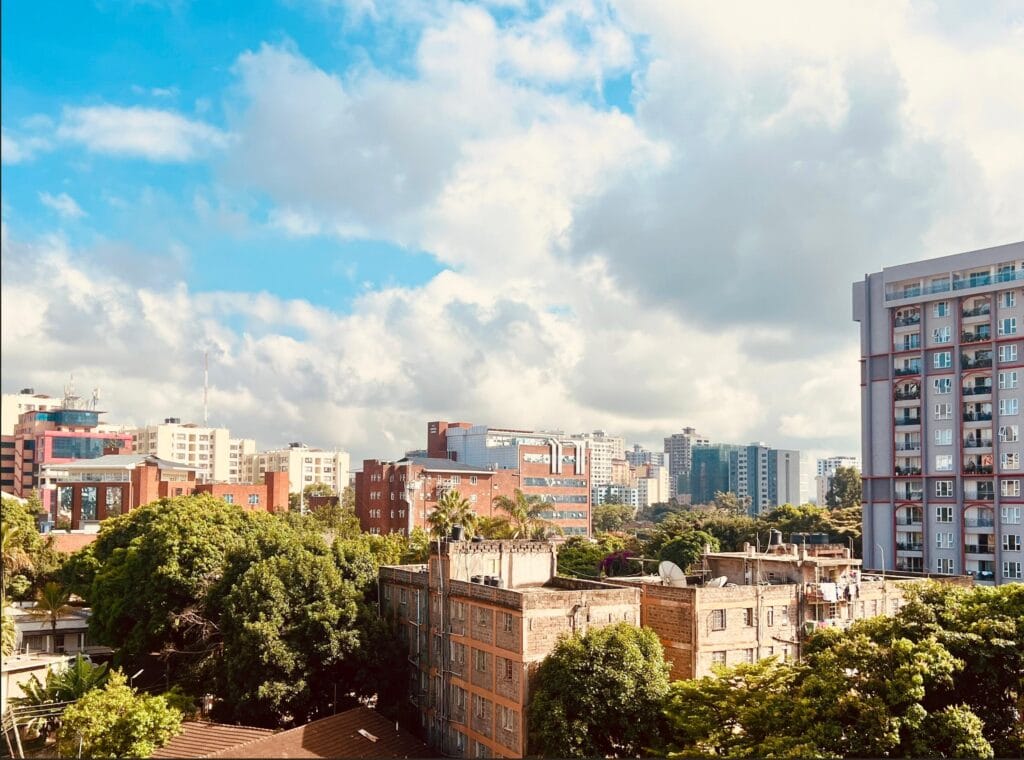
For years, when people talked about property in Kenya, the conversation almost always circled back to Nairobi. Kilimani, Kileleshwa, Runda, Karen, these were the names that dominated dinner table talk, WhatsApp investment groups, and Sunday newspaper property pages. And to be fair, Nairobi still commands the lion’s share of real estate activity in the country. The city is the economic engine, the seat of government, and home to the highest concentration of jobs, schools, and infrastructure in East Africa.
But something interesting is happening on the edges of that story. Quietly, and then not so quietly, real estate hotspots are emerging well beyond the city limits. Places like Gikambura in Kikuyu, the coastal town of Watamu, the highland town of Nanyuki, and the lakeside town of Naivasha are seeing a surge of interest from buyers, developers, and investors who once would only have looked at Nairobi addresses.
Why the Shift Is Happening
A few forces are converging to push demand outward. First, Nairobi land and housing prices have climbed steadily, pricing many first-time buyers out of the neighborhoods they grew up dreaming of owning in. When a plot in Kileleshwa costs what an entire gated community plot costs in Kikuyu, the math starts to speak for itself.
Second, better roads and shorter commute times have made satellite towns genuinely livable rather than just cheap alternatives. The improved highway network connecting Nairobi to Naivasha, Nanyuki, and towns along the Nairobi Nakuru corridor means someone can live an hour or two outside the city and still show up to work, school runs, or weekend errands without feeling cut off.
Third, and this one matters a lot, lifestyle preferences have changed. More Kenyans, especially younger professionals and returning diaspora, want space, greenery, and a slower pace without giving up modern amenities. Watamu offers that with its white sand beaches and laid-back coastal rhythm. Nanyuki offers it with cool weather, views of Mount Kenya, and a growing reputation as a wellness and retirement destination. Naivasha offers it with its lake, flower farms, and weekend getaway appeal that is steadily converting into permanent residency for many.
Gikambura: The Quiet Giant Next Door
Of all these emerging areas, Gikambura in Kikuyu deserves special mention because it is essentially an extension of Nairobi’s own growth story. As the city’s western edge fills up, Kikuyu and its surrounding neighborhoods have absorbed a wave of demand from buyers who want proximity to Nairobi without Nairobi prices. Gated developments, middle income housing projects, and individual plot sales have multiplied here in recent years, and the trend shows no sign of slowing.
The Financing Question
Here is where a common misconception needs to be addressed directly. Many Kenyans still believe that mortgage financing is a Nairobi only affair, that banks will happily fund an apartment in Kilimani but will hesitate or outright decline to finance a home in Nanyuki or a commercial unit in Watamu. This belief, while understandable given how long Nairobi has dominated the property conversation, is simply outdated.
I&M Mortgage finances properties across all major towns in Kenya, not just the capital. Whether the property sits in Nairobi, Nanyuki, Naivasha, Watamu, Kikuyu, or another major town, what matters is not the postal address. What matters is that the property is either residential or commercial in nature and that it comes with proof of ownership through a title deed. That is the core requirement, and it applies uniformly regardless of location.
This is a significant point because it removes one of the biggest psychological barriers standing between Kenyans and property ownership outside Nairobi. A young family that dreams of a home near Lake Naivasha, a retiree who wants a bungalow with a view of Mount Kenya in Nanyuki, or an entrepreneur eyeing a commercial plot in Watamu to serve the tourism trade no longer needs to assume financing is out of reach. As long as the paperwork is clean and the title deed is in order, the path to a mortgage is open.
What This Means for Buyers and Investors
The practical implication here is that the map of opportunity in Kenyan real estate has widened considerably. Buyers no longer need to compete for the same shrinking pool of Nairobi plots and apartments. Investors looking for better value and stronger long term growth potential can look toward these secondary towns, many of which are still in the early stages of their property price curves.
For developers too, this shift opens new frontiers. Building in Gikambura, Nanyuki, Naivasha, or Watamu no longer means gambling on whether buyers can access financing. With mortgage options extending to these towns, developers can market with more confidence, and buyers can commit with more certainty.
Nairobi will remain the heart of Kenyan real estate for the foreseeable future, and that is not likely to change soon. But the story of Kenyan property is no longer written in Nairobi alone. Gikambura, Watamu, Nanyuki, and Naivasha are proof that opportunity, growth, and yes, financing, now stretch far beyond the city’s borders. For anyone who assumed their dream property in one of these towns was out of financial reach, it may be time to look again.