
Kenya’s film industry has made significant strides in recent years, with an increasing demand for quality productions that capture audiences both locally and internationally. However, one of the most critical areas in need of development is sound design. Sound is a powerful storytelling tool that can shape viewers’ emotional engagement and create a deeply immersive experience, yet in Kenya, sound quality has often lagged behind other production elements.
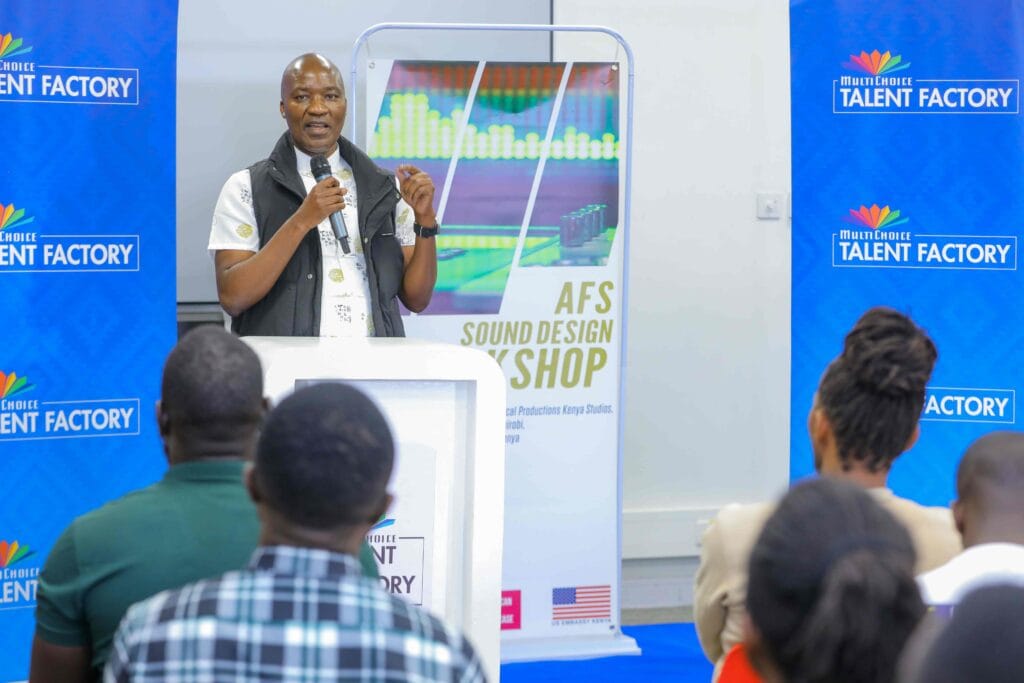
Recognizing this gap, the Multichoice Talent Factory (MTF) partnered with the U.S. State Department and the U.S. Embassy in Nairobi to offer Kenya’s first-ever sound design masterclass, held from November 6-8. The event attracted over 70 sound design and engineering experts, filmmakers, and enthusiasts from across the country. According to Crystal Waitekus, Deputy Cultural Attaché of the U.S. Embassy in Nairobi, the masterclass is part of a broader initiative to foster cultural exchange and uplift local talent.
“As Hollywood and global streaming platforms expand their reach, initiatives like this sound design masterclass represent an important step toward fostering local talent, improving the technical and artistic quality of local productions, and ensuring that Kenyan and broader African films are heard literally and figuratively,” Waitekus remarked. “We envision a future where local productions get international recognition for sound excellence and this masterclass is a step toward achieving that.”
Despite the rapid growth of Kenya’s film industry, several hurdles continue to impede the improvement of sound design. Local producers and directors often highlight challenges such as the high cost of equipment, limited access to essential software, and a shortage of certified sound facilities that meet global standards. These challenges, combined with a lack of specialized sound training, contribute to uneven sound quality that impacts the audience’s viewing experience.
Victoria Goro, Director of the MTF Eastern Africa Academy, underscored the vital role of sound in storytelling, explaining that sound has the power to immerse viewers in the narrative, create an emotional connection, and enhance the realism of a scene. “Sound Design is an integral part of the filmmaking process that truly enhances the viewing experience,” Goro said. “It has the power to immerse the audience in the story, create a sense of realism, establish mood and tone, and evoke emotion, thus making the viewer feel like they are part of the story.”
Goro also noted that tackling sound quality issues is essential for Kenyan productions to reach broader audiences and attain the level of international acclaim that films from other regions have achieved.
The sound design masterclass was led by Emmy-nominated music director Andrew Gross from Konsonant Music in Los Angeles. Gross’s sessions focused on equipping participants with practical, industry-relevant skills in sound recording, mixing, and post-production. Participants explored topics such as loudness compliance, immersive audio techniques, and collaborative sound design, learning methods that can elevate local productions to meet global standards.
The training also aimed to dispel misconceptions surrounding sound design. “We also need to debunk the myths around sound production, such as sound design being difficult to understand or practice,” Goro explained. “This masterclass lays the groundwork for the local film industry to achieve a competitive edge on the global stage. We hope that the graduates of the masterclass will become advocates for improved sound quality in the industry, inspiring a broader movement toward high production standards.”
The growing recognition of sound design’s importance has broader implications for Kenya’s film industry. As international streaming platforms expand in Africa, global audiences are more attuned to the technical aspects of productions. The need for high-quality sound has thus become essential for Kenyan filmmakers seeking to compete in the global arena. Many are hopeful that the masterclass will spark a wave of improvements, encouraging more producers to invest in sound quality and more directors to integrate sound design as a core part of the production process.
The masterclass is also a testament to the power of collaboration between Kenyan filmmakers and international partners. By fostering relationships with established industry professionals and organizations like the U.S. State Department and MultiChoice, Kenya’s film industry is building a foundation for sustainable growth and development. Cultural exchange initiatives such as this masterclass offer local creatives the chance to learn from global experts and bring those insights back into the Kenyan context, thereby enhancing the quality of African stories on screen.
As Kenya’s film industry continues to mature, the emphasis on sound design will undoubtedly play a critical role in shaping the future of local productions. For those who attended the masterclass, the skills gained represent a turning point—an opportunity to raise the bar for sound quality in Kenyan films and TV shows. By addressing longstanding gaps in technical expertise and resource access, this initiative is helping to cultivate a new generation of sound designers who will champion high standards and elevate the Kenyan film industry to new heights.
This landmark event, facilitated by the Multichoice Talent Factory and its international partners, marks a new chapter for Kenyan cinema. With a shared commitment to quality, industry players and policymakers alike are now better equipped to push local productions to achieve global recognition. Sound is no longer an afterthought in Kenyan filmmaking—it is becoming a vital piece of the storytelling puzzle, one that has the potential to shape Kenya’s cinematic legacy on the world stage.