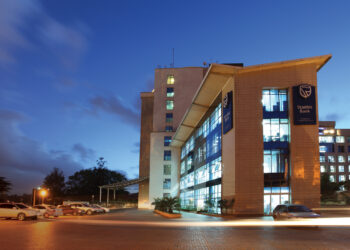
Stanbic Bank Kenya reported a profit after tax of KES 9.38 billion in the first nine months to September 30, 2025, as falling interest and foreign-exchange margins weighed on earnings.
The lender, which also operates in South Sudan, said its profitability declined by 7.5 per cent year on year. Gross interest income fell by around 25 per cent, a drop the bank attributed to lower interest rates, while foreign-exchange income slipped by nearly 49 per cent as margins compressed.
Yet, the bank partially offset these pressures by reducing its interest expense—down 49 per cent following a recalibration of its balance sheet—and by increasing its foreign-exchange trading volume by 34 per cent.
Loan growth powers ahead
On a brighter note, Stanbic saw its loan book expand by 16 per cent year on year, reaching KES 253 billion. That growth outpaced private-sector credit expansion in Kenya, the bank said, driven by stronger customer engagement and a more diversified product mix.
Customer deposits also rose, increasing by 5 per cent, a signal of continued confidence in the bank’s brand and strategic direction.
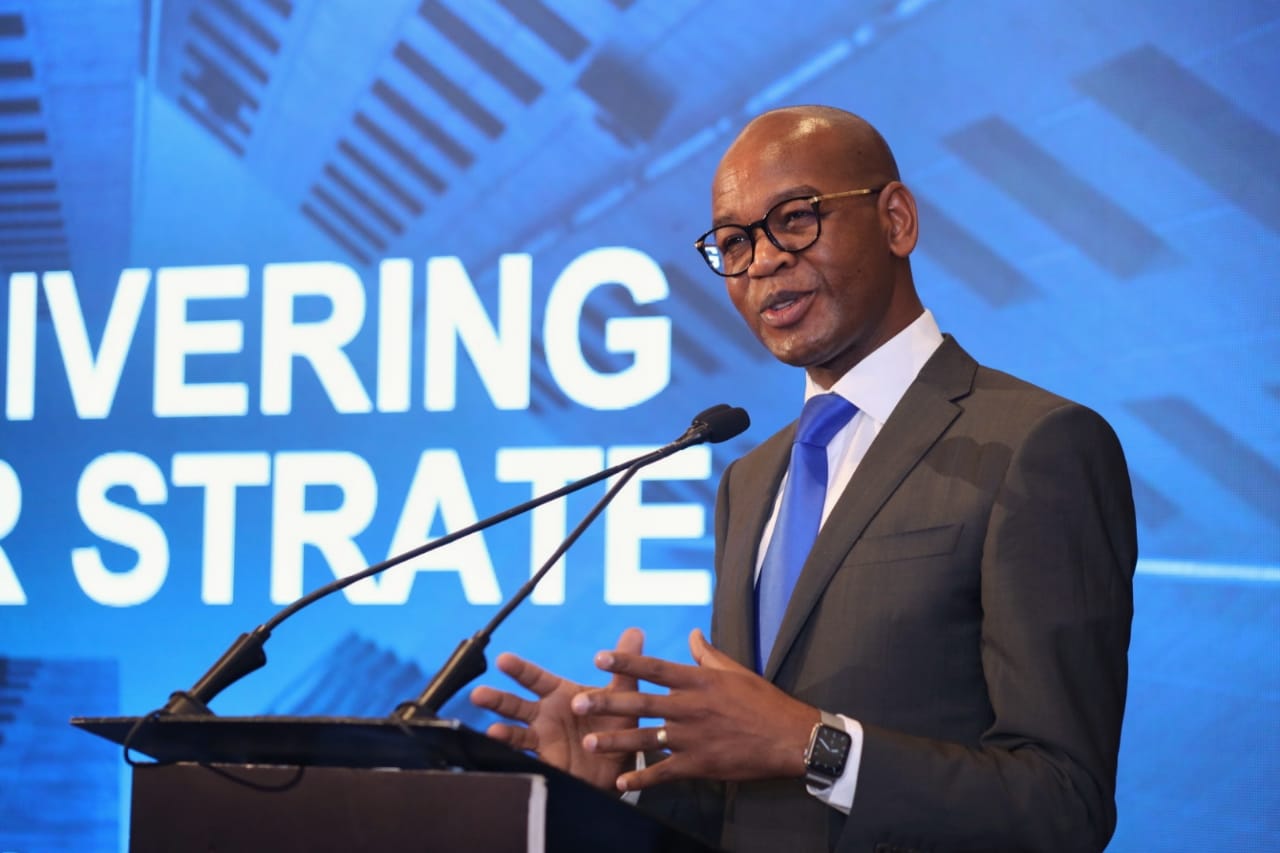
“Our Q3 performance reflects the strength of our franchise and the confidence our customers place in us,” said Stanbic Kenya’s CEO, Dr Joshua Oigara. “With robust growth in loans and deposits, we are building the foundations for sustainable earnings as we transform for the future. We are confident this momentum will translate into stronger returns and lasting value for our shareholders.”
Resilient balance sheet, strategic lending
Stanbic’s balance sheet stood at KES 476 billion, underpinned by lending to sectors it considers critical for Kenya’s economy: oil and gas, agriculture, small and medium-sized enterprises and individual lending.
Notably, for the second consecutive year, the bank played a key role in Kenya’s sovereign liability management strategy, facilitating a US$1.5 billion Eurobond issuance for the government.
Dr Oigara added: “Our commitment to supporting key sectors of the economy has driven solid growth in loans and deposits, building momentum towards closing the profitability gap and achieving our full-year ambitions. We remain focused on delivering sustainable shareholder value while capitalising on emerging opportunities.”
Credit quality remains strong
Stanbic’s non-performing loan (NPL) ratio stood at 8.4 per cent, one of the lowest in the sector during a time when elevated credit default rates and sluggish credit growth have challenged competitors, said Dennis Musau, Chief Financial and Value Officer. He pointed to strong underlying customer activity and a stable operating environment as foundations for future strength, even as “margin compression has moderated earnings.”
Innovation, digital push, and sustainability
The bank continued to deepen client engagement. Assets under management grew to KES 4.81 billion, and its mobile banking platform was enhanced with 18 new features to improve security, efficiency and user experience.
On the sustainability front, Stanbic issued KES 4.5 billion in green building loans, including KES 1.8 billion for climate-smart agriculture and more than KES 11.5 million for solar financing. It also disbursed KES 1.27 billion into affordable housing, and made KES 47.6 billion in loans to women entrepreneurs via its D.A.D.A. initiative since inception. Roughly 8 per cent of its loan book was allocated to agriculture.
Stanbic was ranked the fifth-largest MSME lender in Kenya by the Kenya Bankers Association. The bank also won several awards: Euromoney named it Kenya’s Best Investment Bank for the fifth consecutive year, while EMEA honoured it for its role in refinancing and sovereign bond issuance.
Through the Stanbic Kenya Foundation, the bank deployed KES 57 million in catalytic funding to MSMEs, trained 6,664 individuals on financial literacy, and upskilled more than 7,000 people in vocational areas.
Macro tailwinds helping outlook
Stanbic said improving macroeconomic conditions – underpinned by well-anchored inflation, a stabilised currency and sufficient foreign-exchange reserves – together with the resumption of South Sudan oil exports, should support a gradual recovery in earnings.
In October, credit rating agency Fitch Ratings reaffirmed Stanbic Kenya’s issuer rating at “B” with a “Stable” outlook, and affirmed its Viability Rating at “b”—the top national rating in Kenya, according to the bank.
Other highlights for the review period included a 7 per cent drop in credit impairments, a 31.8 per cent rise in financial investments to KES 100.4 billion, and KES 94.8 billion issued in trade loans.
Challenges remain
Still, the margin squeeze underscores a challenging environment for Kenyan banks. The Central Bank of Kenya (CBK) has aggressively cut its policy rate over 2025—the benchmark lending rate has fallen markedly, pressuring banks’ income from interest-earning assets.
As competition heightens and rates remain low, Stanbic will need to sustain its growth in high-quality lending, deepen its digital offering and lean into its sustainability financing credentials if it is to restore its full-year profit targets and build resilient, long-term returns.