Stanbic Bank has reported a profit after tax of KES 3.3 billion for the first quarter ended 31st March 2025, signalling a solid start to the year despite a challenging macroeconomic environment.
The Bank attributed its performance to shifts in macroeconomic conditions and base effects that have temporarily influenced growth trends. Nonetheless, the lender recorded steady growth in its core banking operations.
Net interest income rose by 5 percent, driven by increased earnings from customer lending and investments in government securities. The Bank’s loan book expanded by 6 percent from December 2024, far outpacing the 0.2 percent private sector credit growth. Deposits grew by 5 percent over the same period, reflecting heightened customer confidence and transactional activity.
Interest expenses on customer deposits dropped by 25 percent in the quarter, owing to a reduction in the cost of funding. This helped to cushion the Bank’s revenue and support its profitability.
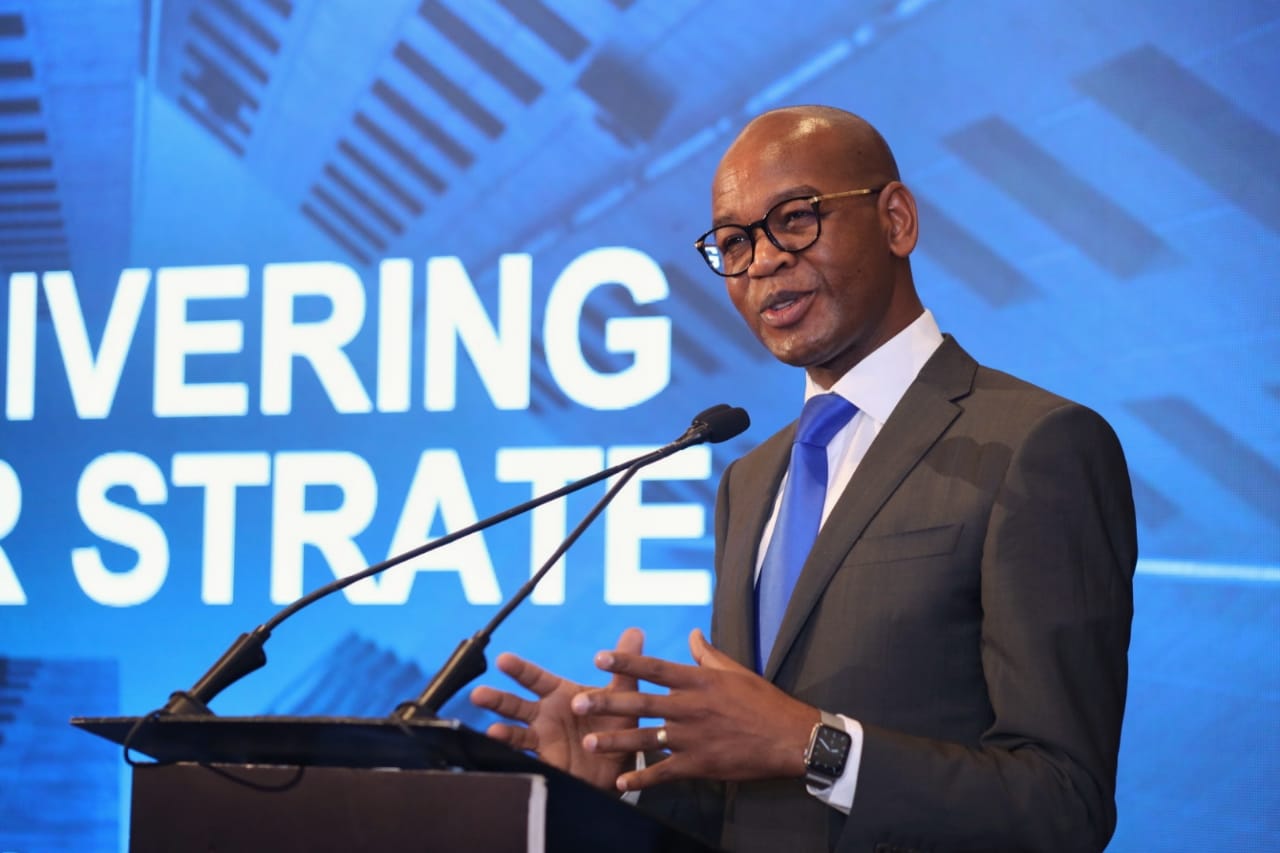
Commenting on the results, Stanbic Bank Kenya and South Sudan Chief Executive, Dr. Joshua Oigara, said the Bank demonstrated resilience amid global and local economic headwinds.
“Our Q1 2025 results reflect the dynamic shifts within our operating environment, shaped by both local and global economic headwinds,” Dr. Oigara stated. “We continue to assess these market dynamics and respond appropriately, leveraging our robust strategies and operational flexibility to maintain a strong foundation for future growth.”
He added that South Sudan’s resumption of oil production and exports, following the repair of a damaged pipeline, was crucial for the region’s economic recovery. “Our South Sudan business continues to demonstrate resilience, leveraging the oil ecosystem to support our customer operations.”
The Bank also registered improvements in operational efficiency and customer engagement. Credit impairment remained low, with a credit loss ratio of 1.19 percent. Customer numbers increased by 10 percent, boosting transaction volumes and contributing to higher fee and commission income.
Investor confidence in Stanbic remained strong, as evidenced by a 28 percent year-on-year rise in its share price. The Bank’s market capitalisation grew by 26 percent to KES 63.9 billion as at 31st March 2025.
Stanbic’s Chief Financial and Value Officer, Mr. Dennis Musau, reaffirmed the Bank’s commitment to innovation and customer-centric solutions.
“Our fundamentals remain resilient with demonstrable growth in core customer segments, a disciplined risk management approach and continued investment in technology and innovation,” Mr. Musau said. “We stay focused on partnering with our customers, strengthening stakeholder relationships, and delivering sustainable, long-term value.”
Mr. Musau noted that the Bank’s net interest margin rose to 6 percent due to optimised funding costs. Although the cost-to-income ratio increased due to base effects on expenses, he indicated that this would likely stabilise in subsequent quarters.
Stanbic also advanced its role in supporting the economy. By March 2025, the Bank had disbursed KES 8.14 billion to SMEs, including KES 1.7 billion to enterprises operating in the Africa-China trade corridor. Through the Stanbic Foundation, over 796 individuals received catalytic funding via capacity-building programmes.
In line with the Central Bank of Kenya’s efforts to stimulate credit growth, Stanbic reduced its base lending rate by 180 basis points. Its blended lending rate declined by a cumulative 480 basis points over the past six months.
Further cementing its industry leadership, the Bank received the ‘Internal Audit Function of the Year’ award in the banking category at the 2025 Internal Audit and Risk Awards hosted by the Institute of Internal Auditors.
Stanbic Bank’s Q1 performance underscores its resilience and strategic focus as it navigates a dynamic economic landscape while continuing to deliver value to customers and stakeholders.