Federal authorities in the United States are intensifying investigations into alleged fraud schemes tied to Somali-run organizations, with prosecutors uncovering financial trails that extend far beyond American borders into Kenya’s lucrative real estate sector.
The epicenter of the probe is Minnesota, home to one of the largest Somali communities in the U.S. According to the Associated Press, President Donald Trump linked his administration’s immigration enforcement to “a series of fraud cases involving government programs,” underscoring the scale of alleged misuse of taxpayer funds.
Treasury Secretary Scott Bessent announced new oversight measures, declaring: “We are issuing a geographic targeting order to ensure every dollar moving through these channels is properly verified.” The order aims to tighten scrutiny of remittance flows and prevent illicit diversion of funds.
White House Press Secretary Karoline Leavitt added in a briefing to Fox News: “Federal prosecutors found that almost none of the meals were delivered. Leaders of the organizations allegedly used the funds to purchase houses, luxury cars, and property in Turkey and Kenya.”
Kenyan Real Estate Under Scrutiny
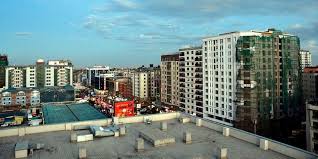
Analysts warn that Nairobi’s real estate sector, already a magnet for foreign investment, could be vulnerable to exploitation by international fraud networks. The White House claims “proceeds from a major fraud scheme involving Somali immigrants in the US were diverted to Kenya.”
A senior U.S. official has been quoted saying: “Kenya has been singled out as one of the countries allegedly benefiting from proceeds of what we describe as a massive fraud scheme involving Somali migrants in the United States.”
The revelations come at a sensitive time, as President William Ruto prepares for high-level talks in Washington. With Kenya’s property market now under investigation, both governments face mounting pressure to strengthen oversight and ensure that illicit funds do not undermine legitimate investment.
Experts in Nairobi warn that Kenya’s real estate boom, fueled by both local and foreign capital, has long been susceptible to money laundering.
The Somali fraud case may serve as a wake-up call for regulators to tighten compliance and transparency in property transactions.