Thursday, July 23, 2026
  • About
  • Advertise
  • Careers
  • Contact
  • Business
    • Deals
  • OpEds
  • Sustainability
  • Women in Business
  • Lifestyle
  • Featured
  • Technology
    • Phones
  • Sports
  • World
  • Contact Us
No Result
View All Result
No Result
View All Result

Home » Featured » CBK Orders 24 Banks to Boost Capital to KSh10 Billion by 2029

CBK Orders 24 Banks to Boost Capital to KSh10 Billion by 2029

by Queen Amber
1 year ago
in Featured
Reading Time: 2 mins read
A A
Share on FacebookShare on TwitterShare on WhatsApp

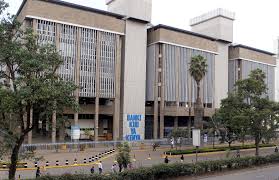
The Central Bank of Kenya (CBK) has mandated that all commercial banks increase their core capital to KSh10 billion by 2029, with an initial target of KSh3 billion by the end of 2025. This directive aims to strengthen the resilience of Kenya’s banking sector and align it with international standards.

As of December 2023, 12 banks have core capital below the KSh3 billion threshold, including:

  • Habib Bank AG Zurich – KSh2.9 billion
  • Premier Bank Kenya – KSh2.8 billion
  • Commercial International Bank – KSh2.7 billion
  • M-Oriental Bank – KSh2.6 billion
  • Paramount Bank – KSh2.5 billion
  • Credit Bank – KSh2.5 billion
  • Development Bank of Kenya – KSh2.1 billion
  • Middle East Bank Kenya – KSh2 billion
  • UBA Kenya Bank – KSh1.7 billion
  • HFC Ltd – KSh1.7 billion
  • Access Bank Kenya – KSh1.3 billion
  • Consolidated Bank of Kenya – negative KSh0.68 billion

These banks are required to submit detailed plans to the CBK outlining how they intend to meet the new capital requirements. Options may include capital injections from shareholders, mergers, or strategic partnerships. The CBK has indicated that consolidation within the banking sector is anticipated, leading to fewer but stronger financial institutions.

The phased approach to increasing capital requirements is designed to provide banks with sufficient time to adjust, thereby ensuring stability within the financial sector. The CBK believes that higher capital bases will enable banks to better manage risks, support larger-scale lending, and enhance their competitiveness both locally and regionally.

Banks that fail to meet the stipulated capital thresholds within the specified timelines may face penalties, including fines or potential downgrading of their banking licenses. The CBK remains committed to working closely with these institutions to facilitate compliance and maintain the overall health of the banking sector.

Tags: Access BankCentral Bank of Kenya
Previous Post

OPPO Kenya Sues AIfluence for Defamation, Non-Payment of Influencers

Next Post

Trump Doubles Down: Bold, Controversial Moves Define His Return to Power

Related Posts

Business

Access Bank Calls for Staskeholders Collaboration to Boost Intra-African Trade

19 March 2026
Business

Access Bank Kenya and National Bank of Kenya Roll Out Shared In-Branch Services

23 September 2025
Featured

Kenya’s Central Bank Cuts Benchmark Interest Rate to 12% to Stimulate Private Sector Growth

9 October 2024
Featured

European Investment Bank partners with Central Bank of Kenya to unlock Climate Finance

14 December 2023

Kenyan Motoring Creator George King’ara Lands Global Shell Deal

22 July 2026

AMECEA 2026: Why the Catholic Church’s Nairobi Gathering Matters for Eastern Africa’s Youth

22 July 2026

Kenyans Didn’t Withdraw Sh2.56bn from Boma Yangu — Here’s Where the Money Went

22 July 2026

Stop Searching, Start Chatting: Glovo Pioneers AI Quick-Commerce

13 July 2026

TikTok Deletes Nearly 900,000 Kenyan Videos in Massive Content Crackdown

23 July 2026

How to check your 2024 KCSE results

9 January 2025

NewsTrendsKE

A News Blog For Readers Who Want More

Follow us on social media:

  • About
  • Advertise
  • Careers
  • Contact

©2026 NewsTrendsKE.

No Result
View All Result
  • Business
    • Deals
  • OpEds
  • Sustainability
  • Women in Business
  • Lifestyle
  • Featured
  • Technology
    • Phones
  • Sports
  • World
  • Contact Us

©2026 NewsTrendsKE.

Exit mobile version