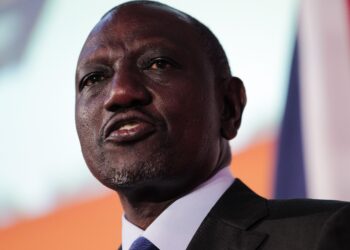
Interior Cabinet Secretary Kipchumba Murkomen has appealed for peace ahead of the planned Saba Saba Day protests, as the country marks the anniversary of the 1990 pro-democracy demonstrations.
Speaking on Sunday in Meru County, Murkomen voiced concerns over the growing trend of violent protests that have seen public institutions, including police stations and courts, attacked and set ablaze. While acknowledging that the conduct of police officers during protests has raised public concern, he was quick to clarify that the security forces alone cannot be blamed for the chaos.
“They say the police have not done this, the police have not done that. But those who bring us trouble and those who use violence to do politics are the ones destroying our country,” said the CS.
The Cabinet Secretary called on the police to remain professional and act within the law while managing the demonstrations, stressing that the government does not intend to harm anyone.
“I would like to assure Kenyans that our country, our ministry, and our government have a good intention to ensure that citizens endure and maintain peace. We have no intention of harming anyone. Our intention is to ensure our country remains in peace,” he stated.
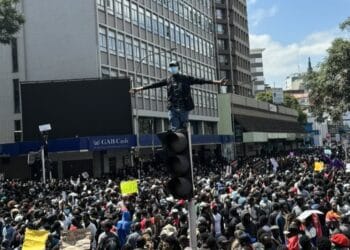
His remarks come at a time when tensions are rising in parts of the country ahead of July 7, a day historically associated with Kenya’s struggle for multiparty democracy. Political leaders and civil society groups have called for nationwide protests to commemorate Saba Saba, raising fears of potential unrest.
In anticipation of disruptions, some learning institutions have advised students to remain at home on Monday and resume classes on Tuesday. Meanwhile, leaders such as National Assembly Speaker Moses Wetang’ula have urged Kenyans to focus on development rather than divisive politics, rejecting calls for protests.
As the country reflects on the significance of Saba Saba Day, authorities continue to walk a tightrope — balancing the constitutional right to protest with the need to protect life, property, and public order.