One of the biggest security concerns today is digital fraud, as fraudsters keep finding new ways to trick people into giving up their money or personal information.
The TransUnion H1 2026 report, Top Fraud Trends, found that 2.3% of transaction attempts involving Kenyan consumers in 2025 were suspected of digital fraud.


According to the report, consumers increasingly face coordinated, identity-driven, cross-channel fraud, similar to patterns seen in mature digital economies.
Here are some common fraud tactics to watch for.
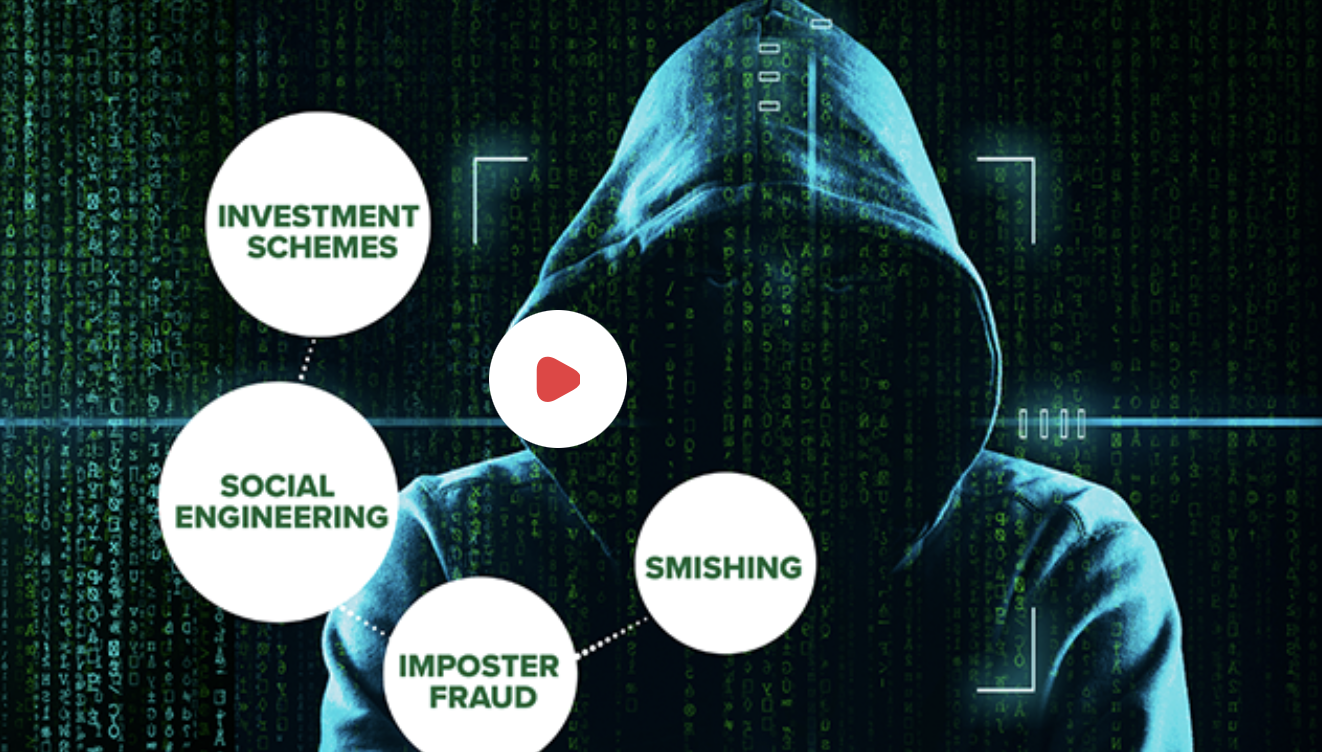
- Smishing: this is a form of cyberattack that uses deceptive text messages (SMS) to trick people into revealing personal data, sending money, or clicking malicious links.
- Imposter fraud: this happens when a criminal pretends to be a trusted person, business, or government agency to trick you into sending money, giving up personal details, or handing over account access.
- Social engineering: this is the psychological manipulation of people into breaking security rules, sharing secret details, or giving away system access.
- Investment schemes: fraudsters advertise attractive jobs or investment opportunities and ask victims to pay registration, training or investment fees upfront.
So, how can you stay safe and avoid falling victim to these tactics?
Bernard Njuguna, Senior Officer, Fraud Investigations and Monitoring at Safaricom, says the best way to avoid being a victim is to pause first.
“When you’re in a hurry, it’s very hard for you to detect if something is wrong. Just pause, reflect, and verify,” he said.
He also noted that strong passwords and two-factor authentication can help protect your accounts from fraud.
“If you look at M-Pesa, assuming you use your year of birth as your PIN, that’s the first place the fraudsters will start with since that’s readily available information. But if you have unique passwords, you avoid the risk of someone guessing your PIN,” he said.
Another way to keep yourself safe is to be suspicious of offers that seem too good to be true. If you think you’re in a fraudulent situation, report it to the relevant authorities.
Watch the video below to learn more about how to keep yourself safe from fraud.