

Eswatini’s agricultural future depends on farmers who have long been overlooked. A new gender-responsive toolkit, developed by ITC, the EU, and partners, is putting tools, training, and recognition where they are needed most.
In Eswatini, women do much of the work in agriculture. They plant, weed, and harvest, yet they rarely own the land they work, control the income it generates, or sit at the table where decisions are made.
Extension services, designed largely around male farmers with land titles and household authority, have left this majority underserved for decades.
‘We cannot achieve full food self-sufficiency if 50% of our workforce – our women farmers – continues to face systemic barriers that limit their productivity,’ says Sydney Simelane, Principal Secretary in the Ministry of Agriculture.
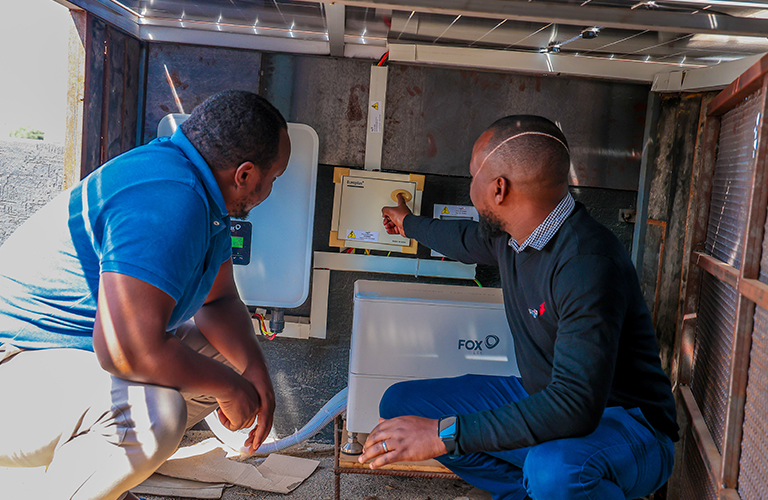
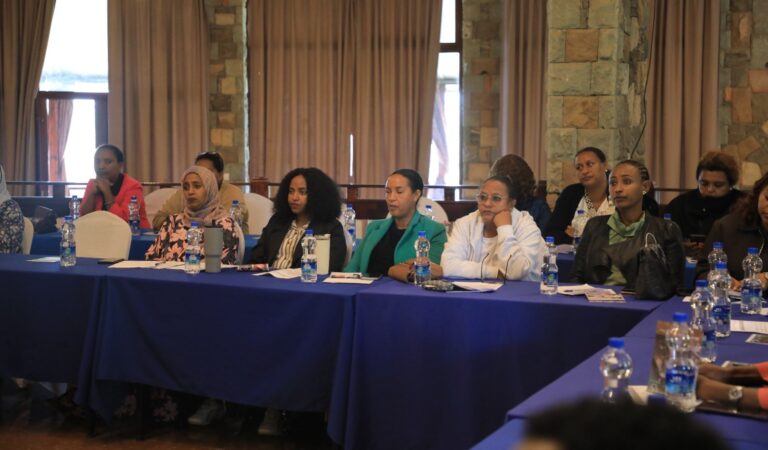
That gap is now being directly addressed. The European Union and the ITC She Trades initiative, working with the Government of Eswatini and the Eswatini National Agricultural Union (ESNAU), have developed a gender-responsive agricultural services manual and video series. These practical tools are designed to help extension officers, cooperatives, farmer organizations, and agribusiness support institutions redesign how they deliver services to women, youth, and vulnerable groups.
The tools will help update training materials, but also reframe how agricultural services are conceived, moving away from one-size-fits-all approaches toward farmer-centred engagement that acknowledges the real constraints women face. Among the challenges: limited land ownership, restricted decision-making power, and training sessions scheduled at times when women are in the fields or do household chores and caretaking.
‘We don’t just walk into the homestead and say, “you need to do this”,’ says ESNAU CEO Tammy Dlamini. ‘We start conversations that help families solve their own issues and rethink how resources are allocated within households.’
That shift is already producing results. In pilot communities, early evidence points to stronger household collaboration, more inclusive decision-making, and increased participation of women farmers in agricultural activities and markets.
The story of Thembisile Mafu captures what is possible. A young woman from the Shiselweni region, she started with a backyard garden. Through ESNAU training and support, she now farms three hectares and recently won the Agribusiness Entrepreneur of the Year Award in her region.
‘Back home, they don’t take you seriously if you are female and young,’ she says. ‘But if you continue working and join the trainings, you are able to grow.’
The initiative forms part of the broader EU-ITC programme Eswatini: Promoting Growth Through Competitive Alliances. It arrives in a milestone year, as 2026 marks 50 years of official EU-Eswatini cooperation.
The long-term ambition is nationwide reach – equipping every layer of Eswatini’s agricultural system to deliver services that leave no one behind, and building the inclusive, resilient food economy the country needs.
Distributed by APO Group on behalf of International Trade Centre.