A high-level delegation from Kenya will head to Johannesburg later this month to represent the country at Smarter Mobility Africa 2025, the continent’s largest transport innovation summit, running from 30 September to 2 October.
The team, coordinated by GIZ Kenya’s Promotion of E-Mobility project, brings together senior officials from Nairobi City County, the Ministry of Roads and Transport, the Ministry of Energy and Petroleum, Kenya Power and Lighting Company (KPLC), and the Energy and Petroleum Regulatory Authority (EPRA). Together, they form a cross-section of the institutions driving Kenya’s fast-growing shift to clean transport.


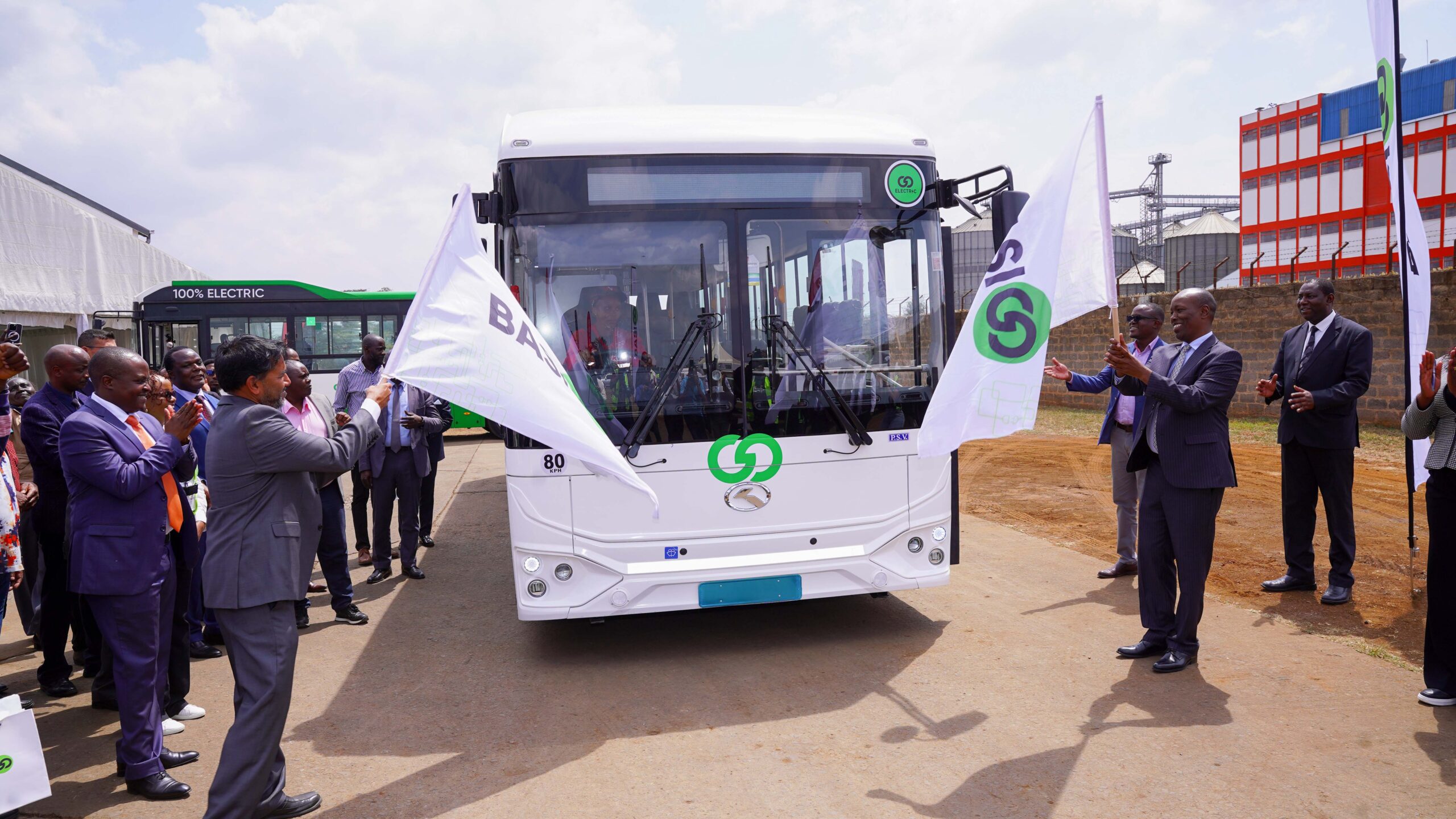
Kenya has quickly emerged as one of Africa’s e-mobility leaders. Local companies like Roam and BasiGo are assembling electric motorcycles and buses, while charging hardware manufacturers are building out supply chains and creating jobs. On the policy side, national and county governments have introduced frameworks and pilot projects that are helping electric vehicles enter the market. From Nairobi City County’s EV strategy to EPRA’s regulatory work, the country is showing how policy and private sector innovation can move forward together.
At the Johannesburg summit, the Kenyan delegation will share lessons from their work on charging infrastructure, grid integration, and policy design, while also exploring regional opportunities for collaboration. They will engage with solution providers, financiers, researchers, and fellow regulators from across Africa to strengthen partnerships that can accelerate practical projects back home.
Michael Schuster, Team Lead for Sustainable Mobility at GIZ Kenya, noted that Kenya’s participation is about both sharing and learning: “Kenya is positioning itself as a leader in Africa’s e-mobility transition, not only through progressive policies but also by ramping up real solutions on the ground. At Smarter Mobility Africa 2025, we look forward to showcasing Kenya’s progress while also learning from our peers across the continent.”
The summit is expected to be a platform where African cities and institutions exchange knowledge, attract investment, and build projects that push the continent closer to clean, affordable, and inclusive mobility.