Workplace harassment is costing Kenyan businesses an estimated Sh95.5 billion annually in lost productivity and human resource expenses, raising concerns over employee safety, retention and the economic impact of gender inequality.
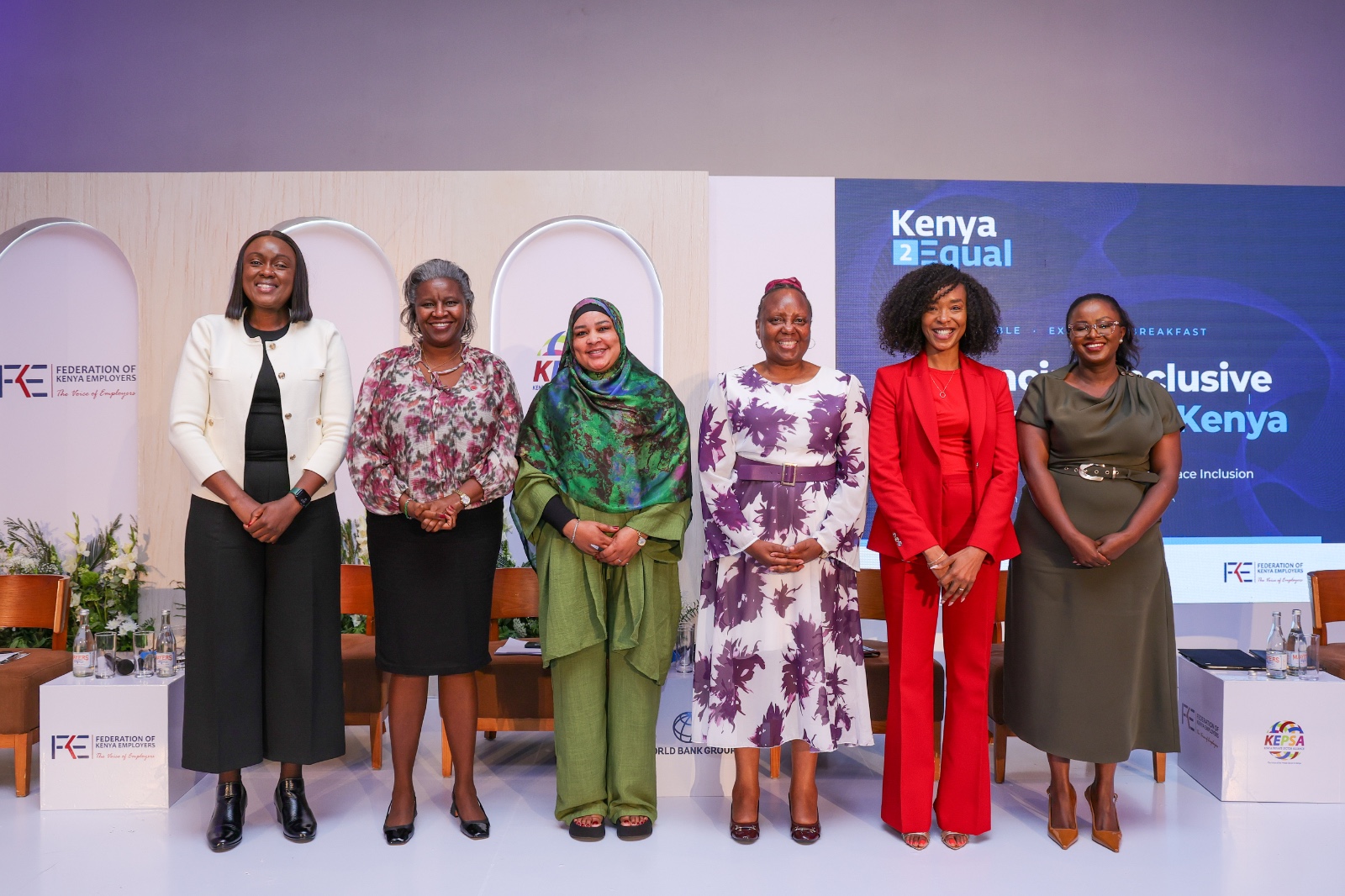
The findings emerged as business leaders gathered in Nairobi on Thursday for a CEO Roundtable on Advancing Inclusive Workplaces, convened by the World Bank Group, the Federation of Kenya Employers (FKE) and the Kenya Private Sector Alliance (KEPSA).


According to a 2025 study by the International Finance Corporation (IFC), gender-based violence and harassment (GBVH) costs Kenya’s private sector approximately Sh67 billion in lost productivity and another Sh28.5 billion in human resource expenses every year.
The study, which covered 26 companies, found that 33.2 per cent of employees had experienced workplace harassment, with 86 per cent of incidents going unreported. Affected employees lost an average of 24.3 working days annually.
The findings have renewed calls for employers to strengthen workplace safety, improve reporting mechanisms and address barriers preventing women from advancing into leadership positions.
Speaking during the roundtable, IFC Principal Country Officer for Kenya Gillian Rogers said workplace inclusion was essential to improving business performance and Kenya’s competitiveness.
“Together, we can build workplaces where women enter, stay, progress, and lead; where companies can draw on the full strength of their talent; and where inclusion translates into stronger people, stronger businesses, and a more competitive Kenyan economy,” said Rogers.
FKE Executive Director and CEO Jacqueline Mugo said businesses risk losing valuable talent and productivity when employees face harassment, discrimination or inadequate workplace support.
“Employers have a responsibility to create workplaces where employees feel safe, are treated fairly and have opportunities to grow,” said Mugo.
Beyond workplace harassment, the discussions highlighted persistent gender gaps in corporate leadership.
Women occupy approximately 40 per cent of entry-level private sector positions in Kenya but hold only 28 per cent of C-suite roles and 14 per cent of CEO positions.
KEPSA Chief Executive Officer Carole Kariuki urged business leaders to take greater responsibility for addressing the imbalance.
“Businesses are investing in developing talented women, but too few are progressing into senior leadership. We need CEOs to take greater responsibility for removing these barriers,” said Kariuki.
The roundtable also examined the impact of childcare responsibilities, flexible working arrangements and gender pay gaps on employee retention and career growth.
Evidence presented during the discussions showed that women in sub-Saharan Africa undertake two to three times more unpaid care work than men, limiting their opportunities for career advancement.
As part of efforts to improve workplace equality, the World Bank Group called on Kenyan companies to adopt EDGE certification, an internationally recognised standard that assesses gender equality in areas including pay equity, leadership representation and career progression.
The initiative is expected to encourage businesses to move beyond workplace inclusion commitments and introduce measurable actions to improve employee welfare, retain talent and strengthen organisational performance.