Digital skills in Africa need to be developed to promote economic growth and development. Additionally, a conducive environment needs to be established where these skills can thrive. This involves implementing comprehensive strategies that include infrastructure, policy support, and ecosystem development. This is one of the key highlights emerging from a recent report issued by the Global Africa Business Initiative (GABI) (www.GABI.unglobalcompact.org/). GABI is a solution-oriented global platform connecting leaders from all over the world to drive and invest in the unstoppable opportunity of Africa’s economic growth.


The report, titled ‘GABI Conversations’, captures the essence of the UN Global Compact roundtable discussions held on the sidelines of the 2024 Africa CEO Forum in Kigali, Rwanda. Under the theme of ‘Digital Transformation’, this exclusive gathering in May 2024 brought together prominent African CEOs, representatives from global and African businesses, government officials, and key stakeholders in the digital sector to engage in targeted, solution-oriented conversations aimed at driving investment and growth on the African continent.
“Digital transformation is not just a pathway to economic growth but a vital component for sustainable development in Africa. By investing in infrastructure, fostering policy support, and empowering our entrepreneurs and workforce, we can create an environment where digital skills thrive. The GABI Conversations have highlighted the immense potential of digital technologies and AI for Africa, and we must continue to drive these efforts forward collaboratively. Together, we can ensure that Africa not only participates in the digital economy but leads it,” said Sanda Ojiambo, Assistant Secretary-General and CEO of the United Nations Global Compact.
Africa’s digital economy is projected to reach (http://apo-opa.co/3WzSY7j) $180 billion by 2025, and $712 billion by 2050. This growth is fueled by a vibrant innovation ecosystem in industries like mobile financial services, telemedicine, and e-commerce.
The demand for digital skills training in Africa is also expected to surge in the coming decade as jobs that previously did not require digital skills will begin to do so.
It’s estimated that some 230 million jobs across Africa will require some level of digital skills by 2030 (http://apo-opa.co/4dvOwxn). This translates to a potential for 650 million training opportunities.
The event featured a series of panels and fireside chats that delved into critical discussions on the solutions needed to drive Africa’s economic growth. Key conversations focused on bridging the digital divide by providing skills, infrastructure, finance, and other opportunities. Key topics covered included AI governance, technology and the supply chain, the digital economy, upskilling of the future workforce, data centers, and digital infrastructure, among others.
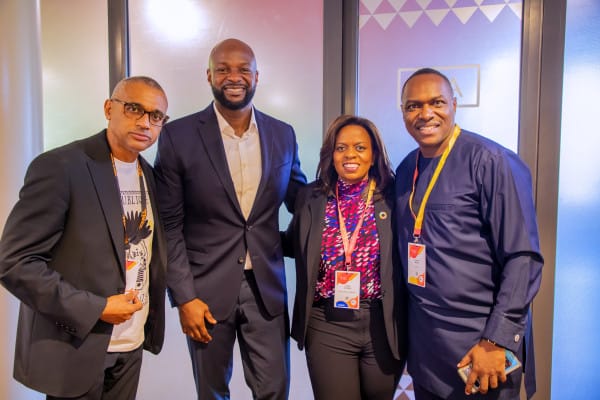
Speakers at the event included H.E. Professor Yemi Osinbajo, Former Vice President of Nigeria and Guardian of the Timbuktoo Africa Innovation Foundation, H.E. Paula Ingabire, Minister of ICT and Innovation for the Republic of Rwanda, and Mr. Alex Okosi, CEO of Google Africa representing the GABI Circle. The discussions were moderated by Dr. Acha Leke, Chairman of McKinsey Africa, and hosted by Mr. Ozonnia Ojielo, the UN Resident Coordinator to Rwanda.
Key Conversations Insights
The significance of multi-stakeholder collaboration was emphasized by participants, highlighting the essential need for cooperation between governments, private sector entities, and other stakeholders to accelerate digital transformation. This collaborative strategy is essential for overcoming obstacles and amplifying the effect of digital initiatives. Emphasis was placed on the necessity of cultivating a highly skilled workforce, described as an ‘army’ of digital professionals, to advance the digital agenda.
It was stressed that AI has immense potential for the future of Africa. However, the continent must develop the necessary infrastructure to support AI technologies.
Additionally, it was emphasized that for Africa to benefit from digital transformation, it is essential to establish data centers on the continent. The presence of data centers in only a few African countries hampers progress. It was also stated that data centers must be financially viable and sustainable to bolster digital transformation.
To ensure individuals can effectively participate in and benefit from the digital economy, the discussions stressed the critical need for comprehensive capacity-building initiatives. One of the key highlights was the call for successful entrepreneurs to establish funds dedicated to supporting emerging entrepreneurs, thereby expanding and strengthening the digital economy.
Key Recommendations
The GABI Conversations highlighted the immense potential of digital technologies and AI for transforming Africa. To unlock this potential, it is vital to bridge infrastructure gaps, cultivate collaboration among diverse stakeholders, and empower individuals and entrepreneurs. Creating an enabling environment and making strategic investments in digital infrastructure are essential steps for Africa to achieve a prosperous digital future.
The key recommendations from the conversations include GABI establishing itself as a leading advocate for AI in Africa from 2025 onwards, with a focus on promoting the necessary infrastructure for AI technologies. Additionally, it was recommended to leverage the GABI platform to build on the initiatives of the UN Secretary-General’s AI Advisory Body, adapting the report’s outcomes to the specific needs of Africa.
Lastly, the recommendations emphasized the importance of using the GABI platform to engage with African governments and policymakers to advocate for the creation of legal and regulatory frameworks and policies supporting AI development.
Following the success of GABI Conversations, the UN Global Compact further engaged with business leaders at the African Union mid-year coordination meeting in Accra, Ghana. These events serve as a prelude to the 25 and 26 September 2024 ‘Unstoppable Africa’ event in New York during the UN General Assembly week. The insights and recommendations from these conversations will feed into the broader agenda of ‘Unstoppable Africa’ and inform GABI’s strategic programming and partnerships for 2025.
Under the leadership of UN Deputy Secretary-General Amina J. Mohammed, GABI aims to reposition Africa as a business destination and opportunity for investment on the global stage while also contributing towards the African Union Agenda 2063 and the Sustainable Development Goals.
Interested participants can now register (http://apo-opa.co/3A5Dq3G) to request for an invitation to attend the Unstoppable Africa 2024 event in New York on 25-26 September. For more information on the Global Africa Business Initiative, please visit the website (www.GABI.unglobalcompact.org/).
Download the GABI Conversations report here (https://apo-opa.co/4dyfAfB) and watch the highlights video of the event here (https://apo-opa.co/4dbAxwS) to explore these insights and gain actionable strategies for driving Africa’s digital transformation.
Distributed by APO Group on behalf of Global Africa Business Initiative.