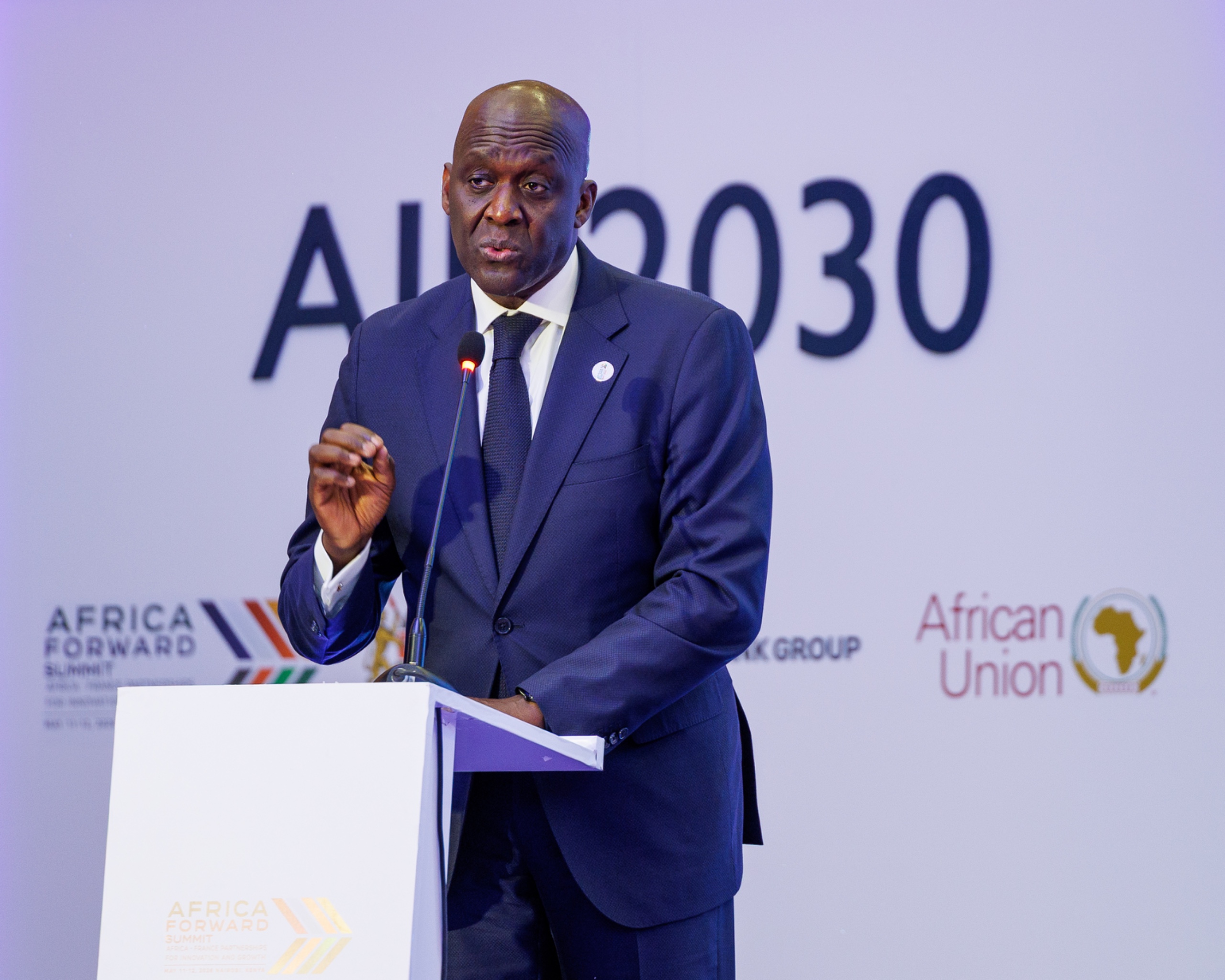
Africa’s dependence on imported medicine has long exposed the continent to global supply shocks, high costs and limited access during health emergencies. Now, a new initiative launched in Nairobi is aiming to change that by turning pharmaceutical manufacturing into a major driver of health security, jobs and industrial growth.
The Africa Initiative for Medical Access and Manufacturing, known as AIM2030, seeks to double pharmaceutical manufacturing capacity in Africa by the end of the decade. Backed by the World Bank Group, the African Union Commission, governments, investors and regional health agencies, the initiative is being positioned not only as a healthcare intervention but also as a long-term economic strategy.


Africa Still Imports Most of Its Medicine
African countries currently import between 70% and 100% of finished pharmaceutical products, while less than 1% of vaccines used on the continent are produced locally.
That dependence became especially clear during the COVID-19 pandemic, when African countries struggled to access vaccines and essential medical supplies as wealthier nations secured stock first.
The crisis exposed a major weakness in Africa’s health systems: the continent could not rely on global supply chains during an emergency.
AIM2030 Targets Local Pharmaceutical Production
AIM2030 will initially focus on expanding manufacturing capacity in Egypt, Ethiopia, Ghana, Kenya, Morocco, Nigeria, Rwanda, Senegal and South Africa.
The initiative aims to increase African production of:
- Medicines
- Vaccines
- Diagnostics
- Medical supplies
- Other essential health products
Speaking during the launch in Nairobi, IFC Managing Director Makhtar Diop said the initiative goes beyond public health.
“This is about health security. But it is also about jobs, investment, industrial growth, and economic resilience,” Diop said.
His remarks underline the wider ambition behind AIM2030: to make pharmaceutical manufacturing a pillar of Africa’s industrial development.
Why Pharmaceutical Manufacturing Matters for African Economies
Local medicine production could help African countries reduce import dependence while creating new opportunities across several industries.
Pharmaceutical manufacturing requires strong supply chains, including packaging, logistics, transport, warehousing, technology, energy, research and skilled labour. As production expands, these connected sectors could also benefit.
For countries such as Kenya, Nigeria, South Africa, Ghana and Rwanda, health manufacturing could support industrial parks, cold-chain logistics, financing platforms, digital health systems and regional trade.
The sector could also create demand for scientists, engineers, pharmacists, technicians, software developers, supply chain experts and manufacturing workers.
Investors See Opportunity in Africa’s Healthcare Demand
Africa’s healthcare demand is rising as the continent’s population grows, urbanises and requires stronger health systems.
Governments are also under pressure to prepare for future pandemics and reduce reliance on emergency imports. This is creating investment opportunities in pharmaceutical plants, research centres, medical logistics, energy infrastructure and health technology.
Diop said resilience must be built before the next crisis.
“Resilience cannot be imported in the middle of a crisis. It must be built in advance,” he said.
Challenges Facing Africa’s Pharmaceutical Industry
Despite the momentum, AIM2030 faces major hurdles.
Many African countries still struggle with high manufacturing costs, unreliable energy, fragmented regulations and limited access to affordable financing. In some markets, local manufacturers also face competition from cheaper imports produced at scale in other regions.
Another challenge is procurement. Without reliable government and regional purchasing systems, local manufacturers may struggle to maintain stable production.
For AIM2030 to succeed, African governments will need to coordinate policies, improve regulation, support investment and strengthen regional markets.
A Bigger Shift in Africa’s Development Strategy
AIM2030 reflects a broader change in how African development is being discussed.
Health is no longer being treated only as a public service issue. It is increasingly being linked to manufacturing, job creation, trade and economic resilience.
For Africa, building a stronger medicine industry could mean more than better access to healthcare. It could help create new industries, retain billions of dollars currently spent on imports and position the continent as a stronger player in global health manufacturing.
If successful, AIM2030 could mark a turning point for Africa’s pharmaceutical sector — transforming it from a supply-chain weakness into one of the continent’s most important engines of industrial growth.