Thursday, November 5, 2026
  • About
  • Advertise
  • Careers
  • Contact
NewsTrendsKE
  • Business
  • Deals
  • Investments
  • Real Estate
  • Economy
  • OpEds
  • Lifestyle
  • Sustainability
  • Women in Business
  • Technology
    • Phones
No Result
View All Result
NewsTrendsKE
No Result
View All Result

Home » Business » Kenya’s Private Sector Contracts Sharply in July Amid Protests and Inflation Pressures

Kenya’s Private Sector Contracts Sharply in July Amid Protests and Inflation Pressures

Queen Amber by Queen Amber
1 year ago
in Business
Reading Time: 2 mins read
A A
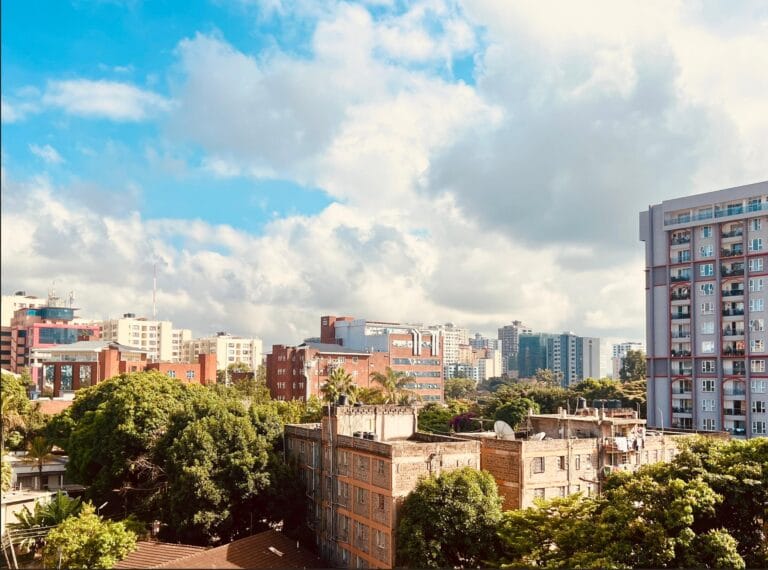
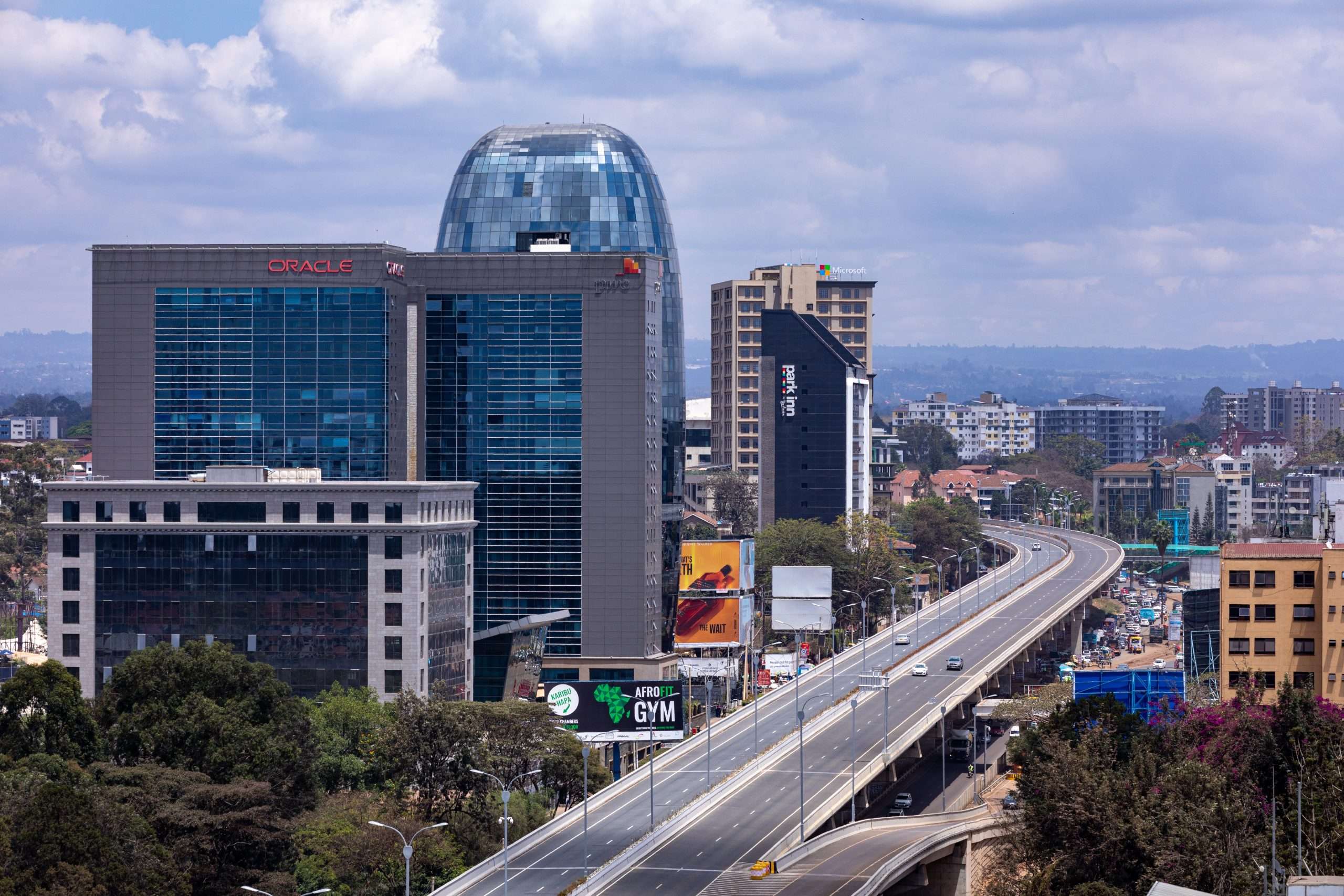
Kenya economy

Nairobi, Westlands /Pexels

Share on FacebookShare on TwitterShare on WhatsApp

Business conditions in Kenya’s private sector deteriorated at the sharpest pace in a year in July, according to the latest Purchasing Managers’ Index (PMI®) by Stanbic Bank Kenya and S&P Global. The headline PMI dropped to 46.8 from 48.6 in June, marking the third consecutive month of contraction and signalling a solid downturn in overall economic activity.

The reading, which remains below the 50.0 neutral threshold that separates expansion from contraction, reflects declining output and new orders as businesses struggled with weakening consumer demand, elevated input costs and disruptions caused by political protests.


Also Read

Transaction advisory team lead by Renassance Capital poses for a photo with Aliko Dangote

Kenyans Could Soon Invest in Dangote Refinery Through NSE as Stanbic Takes Key Role

1 October 2026

Michael Mutiga Confirmed as Stanbic Bank Kenya Chief Executive

15 September 2026
Load More

“The Stanbic Kenya PMI suggests that private sector output and new orders weakened for a third month in a row, reflecting the negative impact that recent protests have had on businesses,” said Christopher Legilisho, Economist at Standard Bank. “Harsh economic conditions have crimped consumer spending, particularly in services and manufacturing.”

While output fell across the board, the downturn was concentrated in the manufacturing and services sectors. In contrast, agriculture, construction, and wholesale and retail sectors reported marginal gains, though not enough to offset the overall contraction.

Price Pressures and Political Unrest Weigh on Activity

Firms cited surging input costs, driven in part by a sharp rise in fuel prices and higher tax obligations, as key factors behind reduced production and purchasing activity. The Energy and Petroleum Regulatory Authority (EPRA)’s upward adjustment of fuel prices in July contributed to the highest rate of input cost inflation in seven months. In response, businesses raised their selling prices at the fastest pace since January.

In addition to rising costs, political demonstrations during the month were reported to have discouraged customer footfall and lowered spending power. These factors led to the steepest drop in new business since July 2024.

With demand shrinking, firms reduced purchasing activity at the fastest rate in nearly three years, and stocks of purchases fell for the first time in 2025. However, employment levels remained broadly stable, enabling firms to clear backlogs at the quickest pace in over four years.

Cautious Optimism Ahead

Despite the current headwinds, Kenyan businesses remained cautiously optimistic about future activity. Confidence rose for the second month running to its highest level in 15 months, buoyed by planned product launches, land acquisitions, marketing initiatives and expansion through new branches.

“The private sector activity is mixed in the sense that certain sectors are doing well, while other sectors are struggling under the weight of weak consumer demand conditions,” Mr Legilisho noted.

Tags: PMI ReportStanbic Bank
Previous Post

Eswatini’s Digital Transformation Crucial to Unlocking Growth, Jobs, and Economic Resilience

Next Post

Why Every Kenyan Family Should Consider Health Cover for Their Parents

Related Posts

Transaction advisory team lead by Renassance Capital poses for a photo with Aliko Dangote
Investments

Kenyans Could Soon Invest in Dangote Refinery Through NSE as Stanbic Takes Key Role

1 October 2026
Featured

Michael Mutiga Confirmed as Stanbic Bank Kenya Chief Executive

15 September 2026
Stanbic Bank Kenya
Business

Kenyan Businesses Cut Output Despite Rising Sales – Stanbic PMI

4 September 2026
Stanbic Bank
Business

Why Stanbic’s KES 6.6bn Profit Is Only Half the Story

7 August 2026

Safaricom Net Profit Rises 36% to Sh58.2 Billion as Ethiopia Losses Narrow

5 November 2026
Parklands

Nairobi: House Prices in Karen, Westlands and 3 Other Estates Surge as New HassConsult Report Reveals Figures

5 November 2026
Kenya Cane

Kenya Cane Toasts 50 Years of Kenyan Spirit, Sets Sights on the Future

4 November 2026
Kenya economy

Buying Land Losing Its Appeal? Treasury Bills Outperform 12 Nairobi Satellite Towns HassConsult Report Shows

5 November 2026

Reportage Group Explores Further Investment in Kenya as Nairobi Portfolio Advances

4 November 2026

Mining in Motion Welcomes United Kingdom (UK) – Ghana Gold Program as Bronze Sponsor

30 May 2025
NewsTrendsKE

NewsTrendsKE

NewsTrendsKE: the business intelligence read for Kenya's decision-makers.

Follow us on social media:

  • About
  • Advertise
  • Careers
  • Contact

©2026 NewsTrendsKE.

No Result
View All Result
  • Business
  • Deals
  • Investments
  • Real Estate
  • Economy
  • OpEds
  • Lifestyle
  • Sustainability
  • Women in Business
  • Technology
    • Phones

©2026 NewsTrendsKE.

Go to mobile version