In the pursuit of equitable growth, secondary hubs like Mombasa are often overlooked by investors focusing on primary cities. Yet, these regions possess immense potential for sustainable development and inclusivity. Redirecting investments to secondary hubs can create a balanced economic background that benefits all.
Incubator hubs are crucial in this transformation, providing startups with essential resources, mentorship, and infrastructure. They nurture ecosystems that encourage collaboration and creativity, helping entrepreneurs steer early challenges and scale their businesses. Mombasa exemplifies this potential; despite its vibrant small business community and talent pool, it lacks the support structures found in Nairobi. The launch of Westerwelle Startup Hub (WSH) Mombasa, however, is a step toward addressing this gap. According to Joshua Murima, Kenya Country Director at Westerwelle Foundation, “Mombasa’s entrepreneurial potential is immense, and with the right support structures like the Westerwelle Startup Hub, we can turn local challenges into opportunities that empower communities and drive sustainable growth.”


High unemployment rates in Mombasa highlight the urgent need for entrepreneurship-driven solutions. According to the Kenya National Bureau of Statistics, unemployment in coastal counties like Mombasa hovers around 14.6%, significantly higher than the national average of 7.2%. This challenge presents an opportunity for investors to access untapped talent with less competition compared to saturated primary markets like Nairobi. Mombasa is a goldmine for those seeking high-potential startups.
The Coastal city, which is located on the Western Indian Ocean (WIO) side offers significant financial advantages in sectors like fisheries and marine conservation. Startups focused on the blue economy can drive innovation while addressing regional needs such as sustainable resource management and job creation. Additionally, the demand for purified water presents a lucrative opportunity, given Mombasa’s warm climate and high population. Entrepreneurs can establish water purification businesses or distribution networks to meet this critical need
Renewable energy solutions are crucial as well, with opportunities for startups that provide solar energy or energy-efficient technologies. The tourism sector also offers unique business prospects; startups can create guest lodges or eco-friendly accommodations that cater to both local and international tourists, enhancing the visitor experience while promoting sustainability.
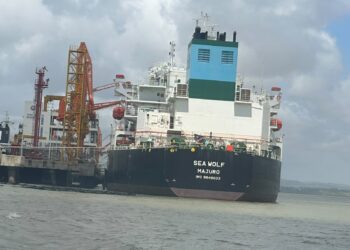
Furthermore, the logistics and transportation sector stands to benefit from Mombasa’s strategic location as a port city. Startups that streamline supply chain solutions can capitalize on this advantage, ensuring efficient movement of goods.
Despite historical neglect from investors, the potential benefits of investing in secondary hubs far outweigh the risks. For instance, Nairobi’s iHub has successfully catalyzed Kenya’s startup ecosystem, positioning local entrepreneurs for global success. Tailored initiatives in Mombasa could replicate this success while addressing regional disparities.
Incubator hubs also bridge the gap between academia and industry, fostering research-driven innovation. Institutions can play a vital role by combining academic expertise with industry insights to improve local innovations and nurture collaboration among universities, research institutions, and businesses.
Such partnerships boost innovation and ensure solutions are grounded in real-world applications. By aligning academic research with entrepreneurial efforts, secondary incubator hubs will create a pipeline of talent that fuels sustainable growth across sectors.
Inclusivity is a cornerstone of incubator hubs’ impact on equitable growth. By providing opportunities to diverse entrepreneurs, including women and marginalized communities, these secondary hubs will address systemic inequalities while expanding economic participation. Supporting diverse teams is both moral imperative that drives better innovation outcomes, which is a critical advantage for startups competing globally.
The success of secondary incubator hubs will rely on collective action from various stakeholders. The Government must create an enabling environment through supportive policies and infrastructure investments. Public-private partnerships can amplify impact by leveraging resources from both sectors while mitigating risks associated with early-stage ventures.
For Mombasa specifically, targeted interventions including grants for blue economy startups or incentives for tech-enabled businesses could accelerate ecosystem development while addressing region-specific challenges. As global economies become interconnected yet unequal, investing in secondary hubs like Mombasa is no longer an option. These hubs provide fertile ground for cultivating innovation ecosystems that drive equitable growth while addressing localized challenges.
By encouraging collaboration among stakeholders, supporting diverse entrepreneurs, and leveraging regional strengths like the blue economy, incubator hubs can transform Mombasa into an engine of sustainable development.
In essence, investing in secondary hubs like Mombasa not only addresses regional disparities; it’s about unlocking untapped potential that benefits everyone, from local communities to global investors. As we strive for a more equitable future, prioritizing investments in these emerging ecosystems should be at the top of every policymaker’s agenda. The time to act is now; building a more inclusive economy starts with empowering those who have been overlooked for too long.
Byline: Joshua Murima- Kenya Country Director Westerwelle Foundation