Saturday, June 27, 2026
  • About
  • Advertise
  • Careers
  • Contact
NewsTrendsKE
  • Business
    • Deals
  • OpEds
  • Sustainability
  • Women in Business
  • Lifestyle
  • Featured
  • Technology
    • Phones
  • Sports
  • World
  • Contact Us
No Result
View All Result
NewsTrendsKE
No Result
View All Result

Home » Business » How Stanbic Bank’s Chai Loan Is Giving Kenyan Tea Farmers A New Green Leaf Of Life

How Stanbic Bank’s Chai Loan Is Giving Kenyan Tea Farmers A New Green Leaf Of Life

Queen Amber by Queen Amber
8 months ago
in Business
Reading Time: 3 mins read
A A
Stanbic Agribusiness

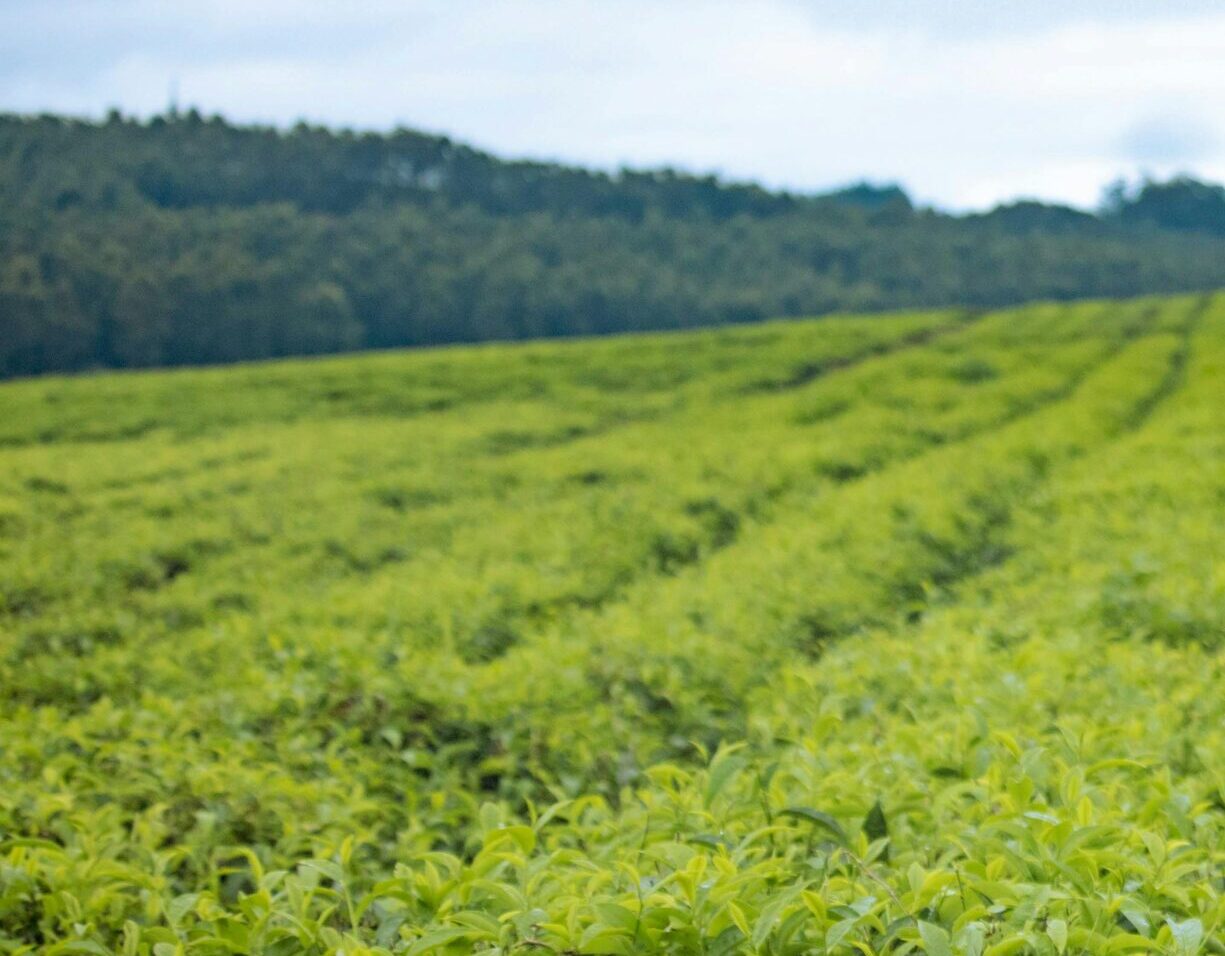
tea Farm

Share on FacebookShare on TwitterShare on WhatsApp

Stanbic Bank Kenya’s Chai Loan for tea farmers is a significant stride in enabling financially constrained growers to access immediate and meaningful liquidity. 

With up to 80% financing on the value of tea leaf holdings, the facility directly addresses the cash-flow delays that Kenyan farmers have long grappled with between harvest and payment cycles.


Also Read

Stanbic bank Kenya’s Regional Executive Head Business & Commercial banking, Florence Wanja signs and exchanging signed documents with Simba Corporation Group CEO, Dinesh Kotecha, during the signing of a Memorandum of Understanding (MOU) at their head office in Nairobi. Simba Corp owns and operates Associated Vehicle Assemblers Limited, one of East Africa’s largest vehicle assembly plants. AVA assembles trucks, pickups, buses, and passenger vehicles for several global brands.

Stanbic Bank Kenya, Simba Corporation Launch 100% Asset Financing to Ease Business Cost Pressures

19 June 2026
UN Women Country Representative to Kenya, Ms. Antonia N'gabala Sodonon (Second Right) signing the seven UN Women's Empowerment Principles (WEPs). Looking on is Regional Chief Executive, East Africa, Standard Bank, Dr. Joshua Oigara (Second Left), Acting Chief Executive, Stanbic Bank Kenya & South Sudan (Far Left) and Participant Engagement Manager, Global Compact Network Kenya, Mary Waweru (Far Right)

Stanbic Kenya Drives Sustainable Growth with KES133 Billion Trade Financing and Green Investments

17 June 2026
Load More

For decades, this lag between the delivery of green leaf to factories and the eventual payout has remained one of the biggest frustrations in the tea sector. Farmers may harvest diligently and deliver their crop, but with no ready cash in hand, they are left vulnerable when critical expenses arise.

With this product, however, farmers can purchase inputs such as fertilizers, seedlings, farm improvements, or even machinery at crucial moments. The smoothing of production challenges that often stem from erratic cash availability cannot be overstated. Fertilizer application, for instance, is a time-sensitive activity, and any delay has a direct impact on yields and quality. Access to financing at the right time, therefore, ensures continuity of productivity, better quality leaf, and ultimately improved farmer incomes.

Yet in isolation, such a product risks being merely another loan. The Kenyan rural landscape is littered with stories of loans that promised to ease farmer struggles but ended up becoming unsustainable burdens. What makes the Chai Loan different is that it does not stand alone. It integrates into a broader Tea Proposition ecosystem that combines financing with digital and market solutions.

One such component is the Electronic Billboard (EBB), a platform that ensures real-time payments at the Mombasa tea auction. It enables farmers to receive proceeds faster and more transparently, hence tackling the historic opacity and delays that have long plagued the auction process. When linked to the Chai Loan, it means repayment flows are tied to actual tea earnings, reducing default risks while assuring farmers of transparent income tracking.

Equally transformative is OneFarm, a digital platform that connects farmers to markets and reliable buyers. It streamlines supply chains, reduces inefficiencies, and ensures that farmers’ produce reaches the right buyers at the right time. There is no doubt that it optimises production timing and quality, and, in the process, minimises wastage and enhances farmer returns. When coupled with liquidity through the Chai Loan and real-time settlement through EBB, the solution evolves from being just a credit product into a holistic support network for tea farmers. Currently, OneFarm provides solutions only for farmers in the dairy sector, with plans to expand to other sectors.

Any tea farmer will tell you that this integrated solution system carries profound implications. Cash provision alone cannot solve structural challenges such as delayed payments, unreliable procurement channels, and lack of access to timely information. The Chai Loan, embedded within this digital and market linkage ecosystem, secures both liquidity and market access under one roof. This synergy lowers operational risks, enhances farmers’ bargaining power, and improves the overall economic viability of smallholder tea farming.

The benefits also go beyond the farm gate. Scaling this model could yield sector-wide gains. Farmers who can reinvest promptly in high-return inputs will likely record better yields and higher-quality tea. This, in turn, enhances the competitiveness and sustainability of Kenya’s tea industry, which is critical in a global market that is increasingly demanding both quality and transparency. 

The digital tools embedded within this model, that is, EBB and OneFarm, also inject efficiency into a value chain that has historically been criticized for opacity, thereby reducing information asymmetries and calming price volatility. Trust, once restored among value-chain actors, can only strengthen the sector.

The ripple effects for the broader economy are also compelling. Better earnings for smallholder farmers translate into stronger rural economies. Improved cash flows mean that farmers can spend more on education, healthcare, and local businesses, creating a multiplier effect that stimulates rural development. A more resilient tea sector also strengthens Kenya’s foreign exchange earnings, given the crop’s status as one of the country’s leading exports.

Ultimately, Stanbic Bank Kenya’s move to frame itself as the “Tea Bank” reflects how financial institutions can unlock inclusive growth when they tailor solutions to sector-specific challenges rather than simply offering generic credit products. The convergence of working-capital financing, market linkage tools, and seamless payment mechanisms demonstrates an advanced understanding of the agriculture value chain. 
Tags: AgribusinessStanbicStanbic Bank
Previous Post

Stanbic Bank Secures USD 45 Million Deal to Boost PepsiCo Bottlers’ Expansion in East Africa

Next Post

BNI to Host Financial Literacy Dinner to Empower Kenyans Towards Purposeful Wealth

Related Posts

Stanbic bank Kenya’s Regional Executive Head Business & Commercial banking, Florence Wanja signs and exchanging signed documents with Simba Corporation Group CEO, Dinesh Kotecha, during the signing of a Memorandum of Understanding (MOU) at their head office in Nairobi. Simba Corp owns and operates Associated Vehicle Assemblers Limited, one of East Africa’s largest vehicle assembly plants. AVA assembles trucks, pickups, buses, and passenger vehicles for several global brands.
Business

Stanbic Bank Kenya, Simba Corporation Launch 100% Asset Financing to Ease Business Cost Pressures

19 June 2026
UN Women Country Representative to Kenya, Ms. Antonia N'gabala Sodonon (Second Right) signing the seven UN Women's Empowerment Principles (WEPs). Looking on is Regional Chief Executive, East Africa, Standard Bank, Dr. Joshua Oigara (Second Left), Acting Chief Executive, Stanbic Bank Kenya & South Sudan (Far Left) and Participant Engagement Manager, Global Compact Network Kenya, Mary Waweru (Far Right)
Sustainability

Stanbic Kenya Drives Sustainable Growth with KES133 Billion Trade Financing and Green Investments

17 June 2026
Stanbic Bank
Business

Stanbic Bank launches Keep Growing campaign

17 June 2026
Christopher Legilisho, Economist at Standard Bank
Business

Stanbic Kenya PMI Falls to 46.6 in May as Private Sector Output, New Orders Decline Amid Rising Costs

4 June 2026
NewsTrendsKE with APO News Updates

Islamic Corporation for the Insurance of Investment and Export Credit (ICIEC) and Bank of Huzhou Sign Memorandum of Understanding (MoU) to Strengthen Trade and Investment Cooperation Across Member States

19 June 2026
National Transport and Safety Authority, Director General - Nashon Kondiwa together with CFAO Mobility Kenya Managing Director Arvinder Reel during the unveiling of the new Suzuki Models Super Carry, Eeco and Across which are designed to provide Kenyans with affordable, fuel-efficient, and accessible mobility solutions

Suzuki Launches 3 New Car Models in Kenya, Prices Start from KSh 1.91 Million

26 June 2026
Stanbic Bank

Stanbic Bank launches Keep Growing campaign

17 June 2026
NewsTrendsKE with APO News Updates

India: State Visit of Prime Minister to Seychelles (June 27-29, 2026)

25 June 2026
NewsTrendsKE with APO News Updates

São Tomé e Príncipe: The European Union deploys an Election Observation Mission

25 June 2026
NewsTrendsKE with APO News Updates

Africa’s Grid Constraints Come into Focus as Regional Markets Push Toward Integration

25 June 2026
NewsTrendsKE

NewsTrendsKE

A News Blog For Readers Who Want More

Follow us on social media:

  • About
  • Advertise
  • Careers
  • Contact

©2026 NewsTrendsKE.

No Result
View All Result
  • Business
    • Deals
  • OpEds
  • Sustainability
  • Women in Business
  • Lifestyle
  • Featured
  • Technology
    • Phones
  • Sports
  • World
  • Contact Us

©2026 NewsTrendsKE.

Go to mobile version