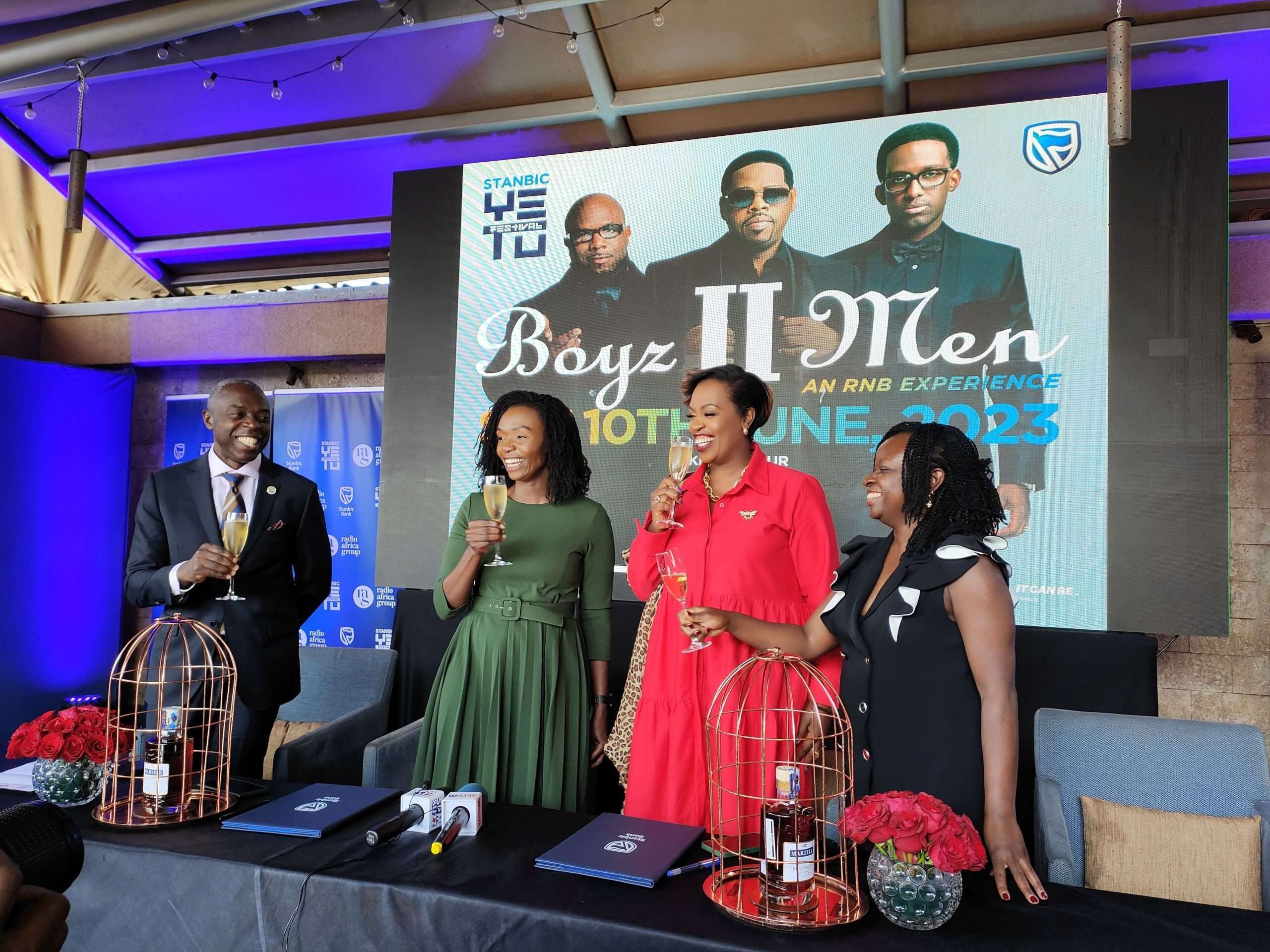
The High Court has dismissed a case challenging the 2023 Stanbic Yetu Festival, finding that while the complaints may have been loudly sung, the evidence did not make it onto the main stage.
The petition had been filed by the Consumers Federation of Kenya (Cofek) over the June 10, 2023 concert at Uhuru Gardens, Nairobi, headlined by American R&B legends Boyz II Men.


Revellers had paid between Sh8,000 and Sh60,000 for tickets, expecting smooth sound, clear views and VIP treatment worthy of a slow-jam classic. Instead, Cofek told the court that some attendees encountered poor audio, blocked views, overcrowding, sanitation challenges and security lapses.
Cofek sued Radio Africa Events/Group, Homeboyz Entertainment PLC and Stanbic Bank Kenya, arguing that the event fell far below what had been advertised.
Among the complaints was that a media centre was allegedly placed in the middle of the venue, leaving some revellers watching the concert through what may have felt like an unintended obstacle course.
The petitioners argued that the organisers’ marketing had created a legitimate expectation of a world-class live experience, but that the delivery left consumers feeling short-changed.
Radio Africa denied liability, saying that with an event of such scale, it may not be possible to meet every reveller’s expectations perfectly. The company also argued that the ticket terms contained an arbitration clause and that some logistical aspects were handled by independent contractors.
It further pointed out that the complaints lacked solid supporting evidence, including photographs showing the alleged conditions.
Stanbic Bank maintained that it was only the title sponsor and had no operational role in organising the concert.
Justice Lawrence Mugambi ruled that Cofek had the right to bring the case and that it raised important consumer-rights questions under Article 46 of the Constitution. However, the petition ultimately hit a legal flat note: the evidence was not admissible.
The court found that witness statements were unsworn, while emails and other electronic material had not been accompanied by the certificate required under Section 106B of the Evidence Act.
“The petitioner’s case was well pleaded, but it must fall for failure to discharge the burden of proof,” Justice Mugambi ruled. “It appears to me the pleading took the centre stage while production of admissible evidence was relegated to the back seat.”
In short, the court found that the complaints had a strong opening act, but the supporting evidence missed its cue.
The petition was dismissed, with no order on costs because it was filed as public-interest litigation.