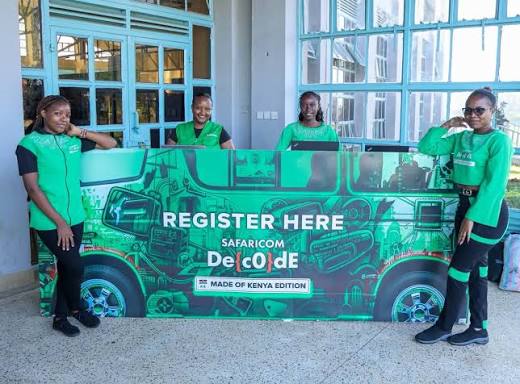
Technology students at Masinde Muliro University of Science and Technology (MMUST) and neighbouring institutions in Kakamega had a hands-on introduction to emerging technologies through Safaricom’s Regional Decode Café, bringing the company’s developer-focused innovation platform to Western Kenya.
The café gave students an opportunity to explore how technologies including Internet of Things (IoT), Artificial Intelligence, AgriTech and Cyber Security can be applied to solve everyday challenges, particularly within a region where agriculture is a key part of the local economy.


Rather than focusing solely on presentations, the experience was designed to get students thinking like builders. The students gained practical insights through Builder Labs and Chalk Talks. They also explored technology trends, engaged in deeper technical conversations and gained practical insights into developing and testing solutions.
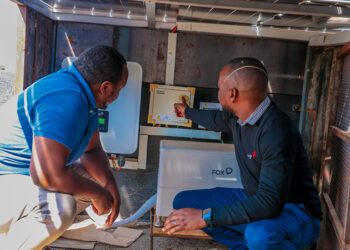
For students interested in technology, the sessions offered a bridge between what they learn in lecture halls and how those skills can be applied in the real world. The Smart Hardware focus also introduced them to possibilities around connected farming, including sensors, automation and data-driven decision-making that could help farmers improve productivity and access markets.
Taking Decode to MMUST is part of Safaricom’s wider effort to support technology innovation beyond established tech hubs and create opportunities for young people to participate in the digital economy.
Universities such as MMUST are an important part of this ecosystem. They bring together young developers, engineers, researchers and entrepreneurs who are developing the skills and ideas that can eventually become solutions for local and continental challenges. Creating opportunities for these students to interact with industry, experiment with emerging technologies and understand available digital platforms can help turn those ideas into practical innovations.
The Regional Decode Café therefore goes beyond introducing students to new technology. It seeks to create a pathway from learning and inspiration to experimentation, adoption and eventually co-creation.
By bringing the initiative to Western Kenya, Safaricom is also widening access to the technology ecosystem, giving students outside Nairobi an opportunity to engage directly with industry expertise and explore how emerging technologies can be used to address challenges within their own communities.
For the students at MMUST, the message was simple: the next big technology idea does not necessarily have to come from a traditional tech hub. It can start in a university lab, a classroom or with a young developer experimenting with a new idea. With the right exposure, ideas can grow into solutions with the potential to make an impact far beyond the university campus.