National Treasury Principal Secretary Dr Chris Kiptoo has been praised for spearheading the Kaptagat Integrated Conservation Programme, which has grown into one of Kenya’s leading community-driven forest restoration initiatives.
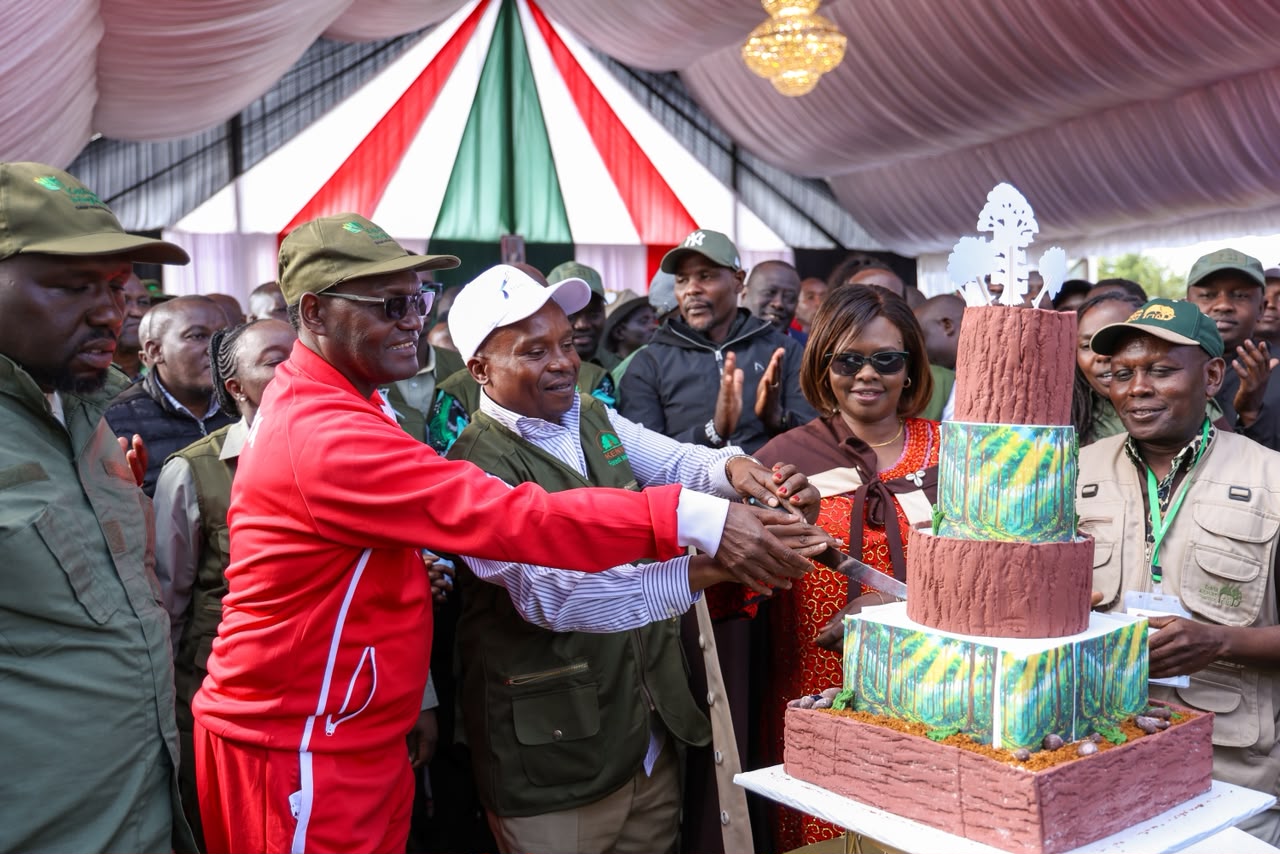
The programme marked its tenth anniversary on Saturday, July 11, 2026, during an event held at Kaptarkok in Keiyo South Constituency, Elgeyo Marakwet County.


Deputy President Kithure Kindiki presided over the event, which brought together national and county government officials, conservation organisations, development partners and members of communities living around the Kaptagat Forest ecosystem.
Interior Cabinet Secretary Kipchumba Murkomen described the initiative as a successful model of environmental restoration that supports the government’s target of growing 15 billion trees by 2032.
Murkomen praised PS Kiptoo, who serves as the programme’s patron, with sustaining the conservation drive and expanding its activities beyond tree planting.
“We commend Treasury PS Dr Chris Kiptoo for spearheading this noble initiative, which not only champions environmental conservation but also nurtures talent, empowers local communities and provides sustainable alternative livelihoods,” Murkomen stated.
From Degraded Forest to Conservation Model
The Kaptagat Integrated Conservation Programme was established under Kiptoo’s leadership to address the degradation of the Kaptagat Forest, an important water tower in the North Rift region.
Kiptoo previously explained that his decision to champion the programme was influenced by witnessing the degradation of the forest while growing up in the area.
Speaking during conservation activities on July 4, the Treasury PS said the programme had helped reclaim sections of the forest that had been damaged by human activities over the years.
The programme brings together government agencies, Community Forest Associations, schools, conservation experts, private organisations and residents to restore degraded land and protect the wider ecosystem.
It has also increasingly placed communities at the centre of its activities, with Kiptoo noting that sustainable conservation cannot be achieved without addressing the economic needs of people living next to forests.
“We have been coming here for the last ten years to plant trees, but we had not carried the local community along with us for a long time until we discovered that we needed to go back to them,” Kiptoo stated during the Kaptagat Cycling Challenge.
Thousands of Hectares Restored
Through the programme, more than 2,700 hectares of degraded forest land have been rehabilitated using indigenous tree species.
The initiative has also distributed approximately 300,000 high-value fruit seedlings, supported selected households with improved dairy breeds and helped communities adopt biogas as an alternative source of cooking energy.
Kiptoo previously stated that the activities had created more than 2,000 green jobs while improving access to water and supporting alternative sources of income for forest-adjacent communities.
The livelihood component, known as Pesa Mfukoni, is designed to reduce communities’ dependence on forest resources by supporting income-generating activities linked to conservation.
Other interventions associated with the programme include dairy farming, coffee production, fruit growing, clean cooking energy and water projects.
Murkomen said the combination of forest restoration and economic empowerment had helped make the initiative more sustainable.
According to the Cabinet Secretary, communities are more likely to protect natural resources when they benefit directly through employment, improved incomes and social development.
Kiptoo Unveils Next Decade of Conservation
As the programme marked its tenth anniversary, Kiptoo announced a new “10 to 20” vision aimed at doubling its environmental and community impact over the next decade.
The second phase is expected to prioritise greater community participation, expanded forest restoration and livelihood programmes targeting households within the Kaptagat ecosystem.
Preparations for the anniversary celebrations had involved meetings between Kiptoo, government officials, community representatives and conservation partners to review the programme’s achievements and agree on future priorities.
During a briefing ahead of the event, Kiptoo highlighted restoration of degraded landscapes, environmental stewardship and improved livelihoods as some of the programme’s key achievements over the past decade.
Supporting the 15 Billion Trees Campaign
Murkomen said the Kaptagat programme was directly supporting the government’s national tree-growing and ecosystem restoration agenda.
“The Kaptagat Integrated Conservation Programme has played a key role in the restoration and conservation of the Kaptagat Forest Ecosystem and is now complementing the government’s 15 billion tree-growing initiative,” he stated.
The government’s campaign seeks to restore degraded forests and rangelands, expand the country’s tree cover and strengthen Kenya’s response to climate change.
Kindiki called on Kenyans to take an active role in protecting forests, noting that environmental conservation was a shared national responsibility.
Leaders attending the event said protecting the Kaptagat ecosystem was critical because the forest supports water supply, agriculture, biodiversity and livelihoods across the region.
The programme is now being promoted as a possible model for replication in other parts of the country, particularly because of its approach of combining ecosystem restoration with community development.
After ten years of tree planting and forest rehabilitation, Kiptoo said the programme’s next phase would focus on ensuring communities remain active participants and direct beneficiaries of the conservation drive.