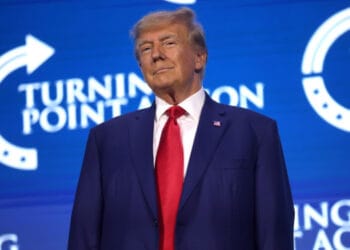
As Donald Trump is sworn in today for his second term as President of the United States, African nations, particularly Kenya, are bracing for potential shifts in U.S. foreign policy that could significantly impact economic and diplomatic relations.
Trade Relations and AGOA


A primary concern for Kenya is the future of the African Growth and Opportunity Act (AGOA), which is set to expire in September 2025. AGOA has been instrumental in providing sub-Saharan African countries with duty-free access to U.S. markets. In 2023, Kenya exported goods worth $510 million to the U.S. under this scheme. Economic analyst Leshan Loonena warns that Trump’s “America First” policies could introduce stricter eligibility requirements, potentially disrupting this crucial economic partnership.
Foreign Direct Investment and Remittances
The U.S. has a substantial corporate presence in Kenya, with investments totalling approximately $1.5 billion. Major technology companies like Microsoft, Google, and IBM have established significant operations, contributing to Kenya’s emerging digital economy. However, Trump’s emphasis on domestic investment may lead to more restrictive oversight of U.S. companies’ foreign operations, affecting sectors such as manufacturing and technology. Additionally, stricter visa policies could impact the Kenyan diaspora in the U.S., which contributes $1.58 billion in annual remittances, thereby affecting Kenya’s foreign currency reserves.
Development Aid and Health Initiatives
Health advocates express concern that Trump might reinstate policies like the global gag rule, which blocks U.S. foreign aid from being used for abortion-related services. Such policies previously led to significant funding cuts, adversely affecting healthcare services, including contraception and family planning, across Africa. The potential reinstatement of these policies could disrupt ongoing health programs critical for African women.
Diplomatic Relations and Security Cooperation
Kenya has been a critical U.S. security partner in East Africa, especially in counter-terrorism efforts. During President William Ruto’s state visit to the U.S. in May 2024, both nations announced multi-billion-shilling investment deals focusing on green energy, security, education, and governance. However, experts suggest that Trump’s administration may adopt a more transactional approach, prioritizing U.S. economic gains over governance, which could lead to renegotiations of existing agreements to ensure more direct benefits to the U.S.