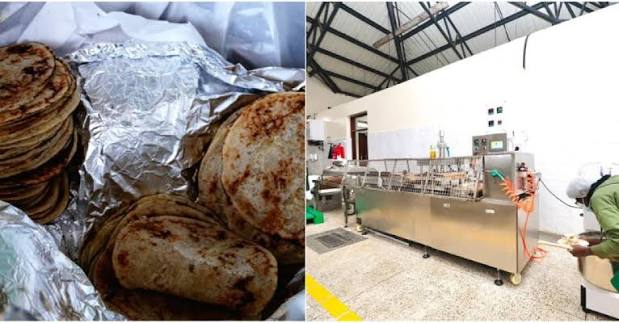
Kenya’s school feeding programme could become a powerful tool in the fight against lifestyle diseases, food insecurity and rising healthcare costs, a new report by Boston Consulting Group (BCG) has argued.
The report, Integrating Food and Health Systems in Africa: A High-Return Investment in Health, urges African governments to treat food as part of health infrastructure, particularly through large public programmes such as school meals.


For Kenya, which reaches about 2.5 million children through school feeding programmes, the proposal could mean moving beyond simply ensuring learners have meals at school to ensuring that the meals improve their long-term health.
BCG argues that school meals can help shape healthier eating habits early, while creating reliable demand for locally grown, nutrient-rich crops such as whole grains, sorghum and millet.
The report comes as diet-related diseases, including diabetes, hypertension and cardiovascular illnesses, continue to rise across sub-Saharan Africa.
The number of people living with Type 2 diabetes in the region is projected to increase from 19 million in 2019 to 47 million by 2045, representing a near 150 per cent rise.
BCG further noted that one in 10 adolescents in sub-Saharan Africa already has elevated blood pressure, raising concerns about the future burden on public health systems.
“Health systems are already under fiscal strain and cannot afford to pay for negative outcomes unintentionally fuelled by food systems,” BCG Managing Director and Partner Zoë Karl-Waithaka said.
“If we want healthier populations and more sustainable public finances, we need to look beyond healthcare delivery and address one of the root causes: what people are eating every day.”
The report points to Rwanda as an example of the potential gains.
BCG found that shifting school meals from refined maize flour and polished rice to healthier alternatives, including whole-grain maize, unpolished rice and indigenous grains such as sorghum, could generate between $120 million and $155 million annually in health, fiscal and environmental benefits.
While the findings are specific to Rwanda, they offer an important case study for Kenya, where school feeding already provides a ready platform to connect public health, agriculture and education.
David Kamau, Managing Director at Fortified Whole Grain Alliance, said Kenya’s school feeding programme has the potential to do more than support attendance and learning.
“Kenya is demonstrating that school feeding can be far more than a social programme. It can be a catalyst for better health, stronger local food systems and inclusive economic growth,” Kamau said.
“Our experience shows that when nutritious school meals are delivered consistently and at scale, children are healthier, more engaged in learning and better positioned to reach their full potential.”
The report noted that healthier school meals could also create business opportunities across the agricultural value chain, including for farmers, cooperatives, millers, food processors and distributors.
This is particularly significant for Kenya as it seeks to reduce its exposure to expensive food imports and global commodity price shocks.
East Africa’s dependence on wheat and rice imports averages about 55 per cent, according to the report. BCG said government procurement could instead create steady demand for locally available and climate-resilient crops.
The report also challenged the belief that children and parents would reject healthier grain alternatives.
Pilot programmes in Kenya and Rwanda found that more than 90 per cent of children and parents preferred whole-grain meal options to refined alternatives.
BCG now wants governments, development partners and private-sector players to work together to make healthier foods more accessible through public procurement, nutrition financing and agricultural incentives.
The firm argued that Kenya does not necessarily need to build a new system to make the shift. Instead, it can strengthen the school feeding structures already in place to improve nutrition, support local farmers and lower future healthcare costs.