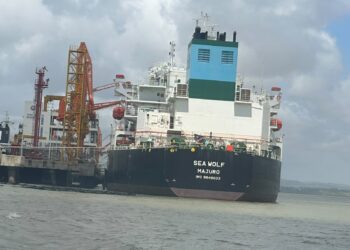
African economies are bracing for potential economic turbulence as the ongoing conflict involving Iran continues to push global oil prices upward, raising fears of inflation, higher transport costs, and currency pressure across the continent.
Reporting on the developments, Larry Madowo of CNN warned that a sustained spike in oil prices could have a severe impact on African nations, many of which rely heavily on imported refined petroleum products. The situation poses risks even for relatively advanced economies such as South Africa.

In Kenya, government officials have sought to reassure citizens that there are currently no immediate concerns about fuel shortages and that pump prices have not yet spiked. Authorities say the country has adequate fuel stocks for now, a message echoed by several governments across Africa.
However, officials admit that long-term guarantees remain uncertain due to the continent’s reliance on imported fuel—much of it sourced from refineries in the Gulf region.
The conflict, which has now crossed the 12-day mark, is already prompting economists to warn of possible worst-case scenarios. According to economist Kwame Owino, African governments should begin preparing policy responses early.
“While no African countries are directly involved in the conflict, we still suffer quite substantially,” Owino said. “Governments need to adjust. For instance, Kenya has some of the highest taxes globally on fuel prices, so adjusting fiscal policy to allow for greater affordability is important—even if it means the government will collect less revenue.”
The ripple effects are already being felt in some sectors. In South Africa, airline FlySafair has announced a temporary dynamic fuel surcharge after jet fuel prices at South African airports surged by 70 percent in just one week. Other carriers, including national airline South African Airways, say they are closely monitoring the situation.
Meanwhile, Nigeria—Africa’s most populous nation and one of its largest economies—could see mixed effects from the rising prices. As a crude oil producer, Nigeria stands to benefit from higher global oil prices. However, the country still imports significant volumes of refined petroleum products, leaving it vulnerable to the same price shocks affecting other nations.
Analysts say the broader concern lies in the structural vulnerability of many African economies. Compared with advanced economies, African markets tend to be more fragile and heavily dependent on imported energy.
“These economies are small and fragile and depend on imports,” Owino explained. “When there is a global conflict, it affects them significantly. African economies also tend to recover more slowly, meaning the path back from shocks like this can be longer.”
For now, fuel prices in Kenya and several other African markets remain relatively stable. But analysts warn that if the conflict involving Iran drags on, the impact could soon spread beyond fuel to food prices, transport costs, and other everyday expenses—placing additional strain on households already grappling with the high cost of living.