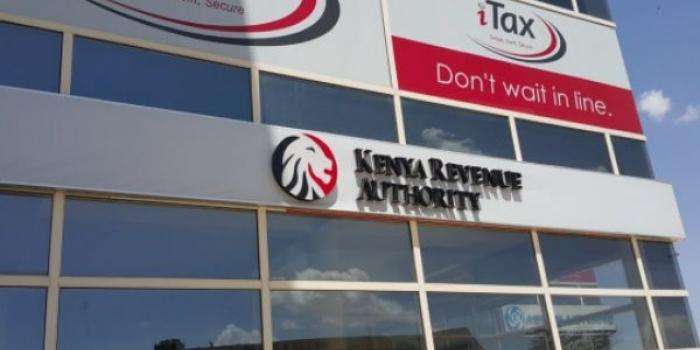
A recent ruling by the High Court of Kenya is set to reshape how businesses across the country treat Value Added Tax (VAT) deductions related to taxi and passenger vehicle services. In a landmark decision delivered on May 20, 2025, the Court sided with the Kenya Revenue Authority (KRA) against local consultancy firm RSM Eastern Africa LLP, effectively barring businesses that are not in the business of selling or hiring vehicles from claiming input VAT on taxi services.
The Case at a Glance
The dispute dates back to a 2018 VAT audit, during which KRA challenged RSM’s claim for input VAT on taxi services used in the course of its audit and consultancy operations. While the Tax Appeals Tribunal had initially ruled in favor of RSM — on grounds that the transport services were essential for its business — the High Court overturned that decision.
Justice ruled that Section 17(4) of the VAT Act must be interpreted strictly. It allows input VAT deductions on passenger vehicles only for businesses exclusively engaged in selling, leasing, or hiring such vehicles.
“The respondent failed to show that it was in the business of hiring or selling vehicles on a continuous and regular basis. Therefore, the deduction claimed was unlawful,” the court ruled.
Implications for Businesses in Kenya
This decision is more than just a tax dispute between KRA and one consulting firm — it carries far-reaching implications for businesses in sectors such as consultancy, professional services, fieldwork operations, and even NGOs.
1. No Input VAT on Taxi Use — Unless You’re in the Vehicle Business
The ruling confirms that any business outside the vehicle hire or sales sector cannot deduct input VAT on taxi services — no matter how integral those services may be to business operations. This includes taxis hired for client meetings, site visits, or inter-office travel.
2. Increased Scrutiny on VAT Deductions
KRA is likely to ramp up audits targeting similar input VAT claims, particularly among service-oriented firms. Businesses should anticipate closer inspection of transport-related expenses and prepare for potential disallowances.
3. Need to Reassess Travel Policies
Companies that routinely rely on taxis or ride-hailing services may need to rethink how they categorize and recover these expenses. Alternatives such as reimbursing staff through non-VAT-recoverable expenses or leasing vehicles under qualifying contracts may need to be considered.
4. Risk of Retrospective Assessments
Firms that have previously claimed input VAT on taxi expenses could face retrospective tax assessments if found non-compliant under the strict interpretation of the law upheld by the High Court.
A Win for KRA, a Wake-Up Call for Businesses
KRA has hailed the decision as a victory for compliance enforcement and a step towards closing VAT loopholes. For businesses, however, the ruling serves as a stark reminder that business necessity does not override clear statutory limits.
Tax professionals are urging firms to review their VAT positions in light of the ruling.
“Many companies believed that if an expense was ‘for business use,’ it qualified for input VAT — this judgment shows that isn’t always true. Legal form now trumps business function,” said a Nairobi-based tax consultant.
What Should Businesses Do Now?
- Review past and current VAT returns for similar claims.
- Consult tax advisors to ensure compliance with Section 17(4).
- Consider operational changes to reduce exposure, such as using VAT-registered transport providers only when legally deductible.
As the legal dust settles, one thing is clear: this case has drawn a hard line in the sand on VAT recovery for transport expenses in Kenya.