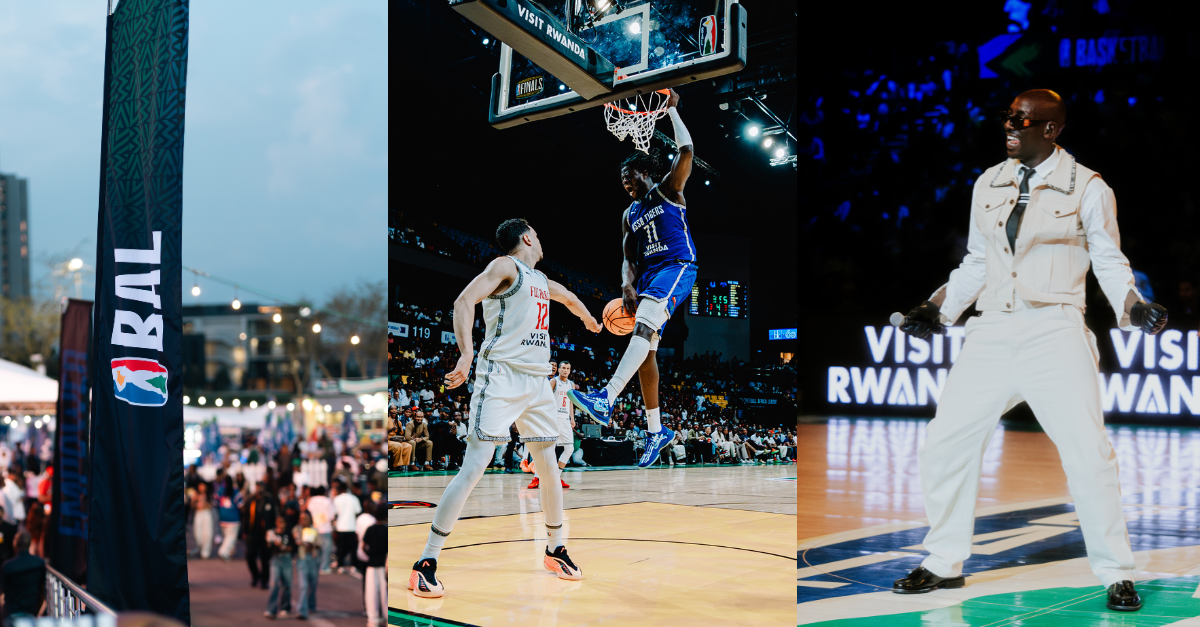
Something remarkable is unfolding across Africa. A continent that has long supplied the world with extraordinary athletes is increasingly becoming a destination for global sporting events, investment, and innovation. Morocco is preparing to host the 2030 FIFA World Cup. Senegal will welcome the Youth Olympic Games in Dakar, the first Olympic event ever staged on African soil. Across the continent, new arenas are rising, international competitions are expanding, and global audiences are paying attention.
These milestones tell a much bigger story than sport. They signal a shift in how Africa is viewed and, perhaps even more importantly, how Africa views itself. The conversation has moved well beyond whether Africa can host world-class events. The continent has already answered that question. The challenge now is ensuring that this momentum creates something enduring: jobs, skills, businesses, investment, and opportunity for Africa’s young and rapidly growing population.


That is why sport deserves a place in every serious conversation about Africa’s economic future. Too often, sport is treated as entertainment, recreation, or a source of national pride. It is certainly all three. Yet sport is also an industry. It is infrastructure. It is technology. It is media. It is tourism. It is retail. It is hospitality. It is a powerful economic ecosystem capable of generating growth across entire value chains.
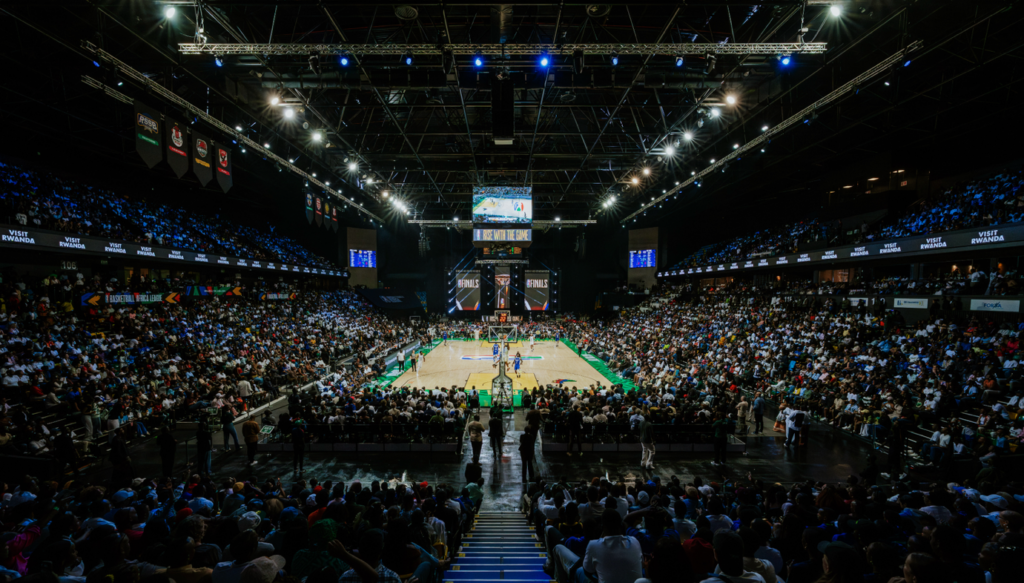
Basketball Africa League Championship Games – Kigali Arena in Kigali, Rwanda – 2026
For a continent where hundreds of millions of young people will enter the workforce over the coming decades, that matters enormously. This reality is increasingly evident on the ground. This year, IFC committed a record $21.1 billion across Africa, supporting private sector growth in sectors that create jobs and build markets. Increasingly, that conversation includes sports and the creative economy because both are proving capable of delivering economic impact at scale.
The opportunity begins with a simple observation: Africa has never suffered from a shortage of talent. Africa has never lacked audiences either. Stadiums fill. Fans engage. Young people dream. What has often been missing is the infrastructure to turn talent into sustainable economic opportunity.
Across the continent, gifted young athletes frequently encounter uneven pathways to professional development. Facilities remain insufficient. Training systems vary widely. Community spaces capable of nurturing talent and developing skills often struggle to meet demand. As a result, far too much potential remains unrealized.
Closing that gap requires investment and partnership. That work is already underway. Together with Proparco, IFC has committed up to $50 million to Helios Sport and Entertainment Group (HSEG), a business focused on unlocking the economic potential of Africa’s sports and entertainment sector. In addition to this investment, IFC is exploring a further investment in a Sports & Entertainment Arena Platform to support the development of sports and entertainment infrastructure across the continent. Partnerships with leading developers and operators are helping turn ambitious ideas into world-class facilities that serve communities, create jobs, and generate economic activity.
Viewed through that lens, sports infrastructure is not simply about buildings. It is about economic growth. It is about creating opportunities for people and businesses across entire communities.
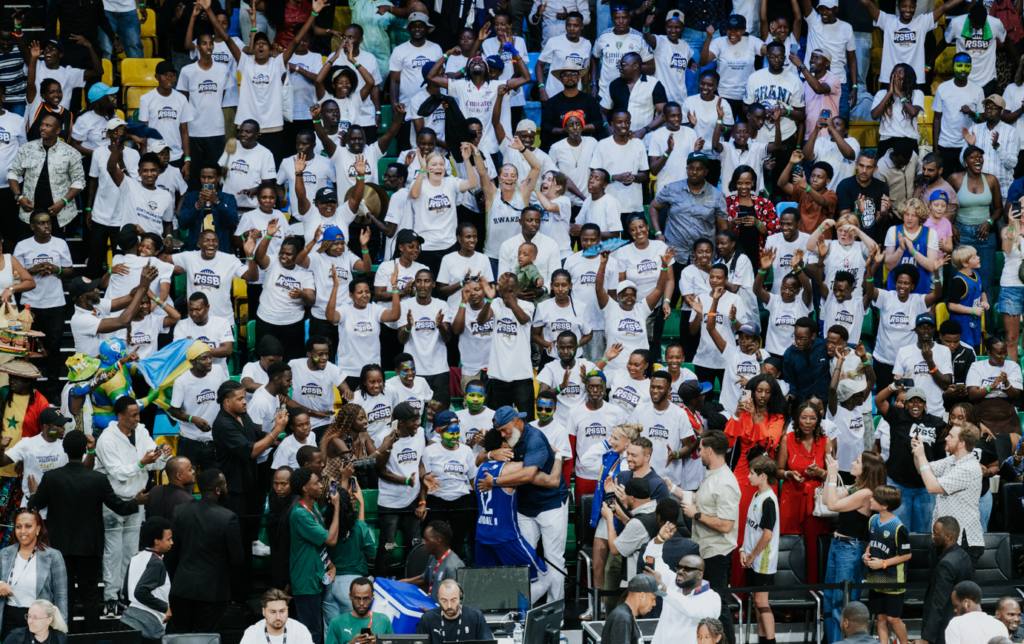
Highlights from the 2026 Basketball Africa League Championship Games – Kigali Arena in Kigali, Rwanda
The Basketball Africa League (BAL) offers perhaps the clearest demonstration of what is possible when vision, investment, and execution come together. In just six seasons, the BAL has evolved from an ambitious idea into one of the continent’s most promising economic platforms. The league has hosted 39 teams from more than 20 African countries and created a truly pan-African product with a growing global reach.
This season alone, more than 110,000 fans attended BAL games in Morocco, Rwanda, and South Africa. The league generated over 1.1 billion social media views across 214 countries and territories. A record 22 commercial and institutional partners supported the competition, including some of the world’s leading brands and financial institutions.
These are not simply sports statistics. They are business metrics. They signal consumer demand. They attract sponsorship and investment. They support media rights. They drive tourism. They create jobs. They generate revenue across multiple sectors. Most importantly, they prove that African sports content has become a valuable global product.
The BAL is often described as a basketball league. In reality, it represents something much larger. It is increasingly becoming an economic growth engine that showcases how Africa can create, own, scale, and monetize world-class sports properties while retaining economic value on the continent.
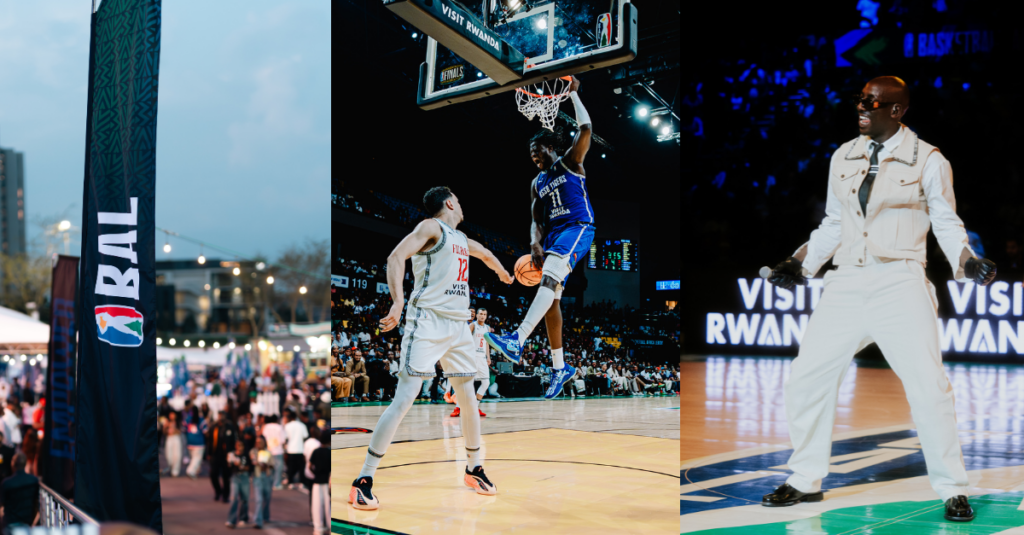
Highlights from the 2026 Basketball Africa League Championship Games – Kigali Arena in Kigali, Rwanda
For decades, African sport exported talent. Today, Africa is building platforms. Tomorrow, Africa can become a global headquarters for sports business.
Yet the significance of sport extends beyond economic indicators and investment figures.
At its core, sport is about human potential. Sport creates belonging. It teaches discipline, teamwork, leadership, and resilience. It creates pathways for young people searching for opportunity and purpose. It provides structure where instability exists and hope where prospects may appear limited.
That philosophy sits at the heart of Olympism and resonates deeply across a world facing rising fragility and displacement. It is also visible in institutions such as Diambars and the SEED Academy in Ghana, Rwanda, and Senegal, where education and sport work hand in hand to prepare young people for success both on and off the field. Morocco’s world-class Mohammed VI Football Academy offers another powerful example, pairing elite football development with academic excellence to equip young people with the skills and confidence to thrive far beyond the game.
The objective is much larger than producing elite athletes. The objective is to produce skilled, confident, employable young people prepared to contribute to their economies and communities. Every coach, physiotherapist, broadcaster, event promoter, sports lawyer, digital creator, engineer, entrepreneur, and business owner connected to the sports economy forms part of that story.
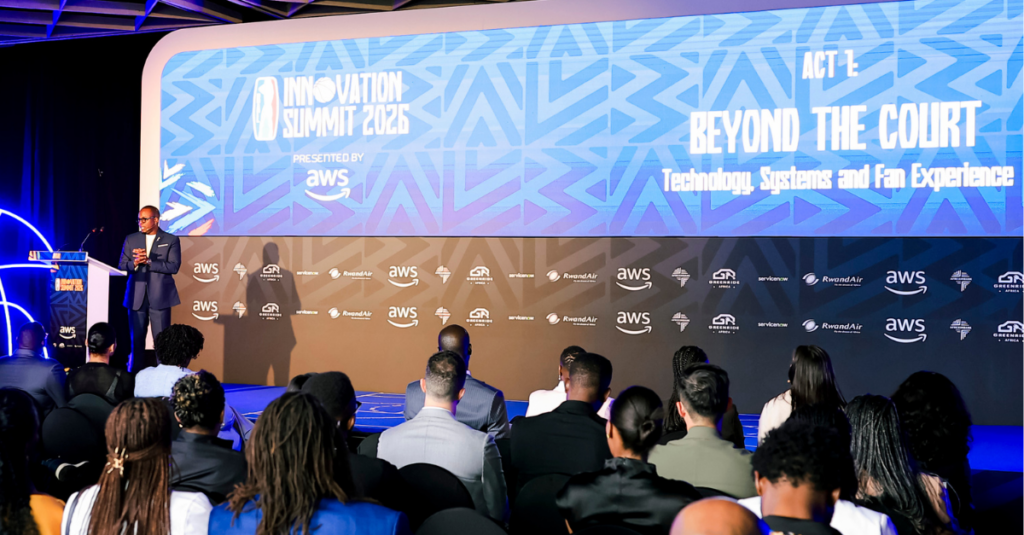
2026 BAL Innovation Summit
Africa’s future will be shaped by industries capable of creating opportunity at scale. Sport belongs firmly among them. The continent possesses talent. It possesses the audience. It possesses entrepreneurial energy and growing investor interest. What comes next is the deliberate effort to build the infrastructure, institutions, partnerships, and platforms capable of transforming potential into prosperity.
A generation ago, Africa supplied athletes to the world. Today, Africa is hosting global events. The next chapter is even more exciting: an Africa that stands at the center of a thriving global sports economy, creating jobs, building industries, and expanding opportunity for millions.
That is the prize within reach. And that is why Africa’s sporting moment must become Africa’s jobs moment.
By Amadou Gallo Fall and Ethiopis Tafara*