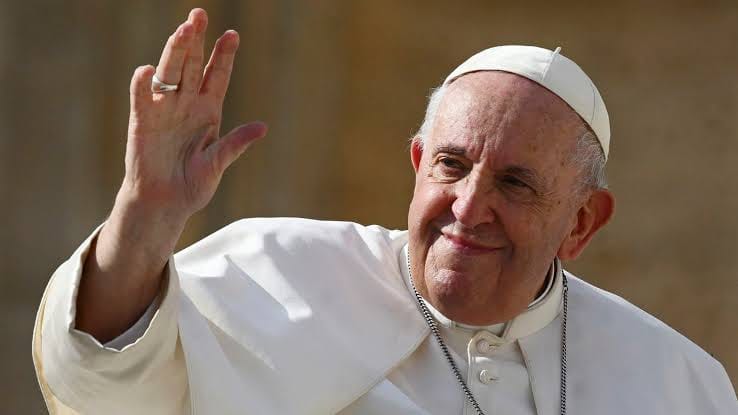
Pope Francis, the first non-European pope in nearly 1,300 years and one of the most transformative leaders of the modern Catholic Church, has died at the age of 88. The Vatican announced his passing early Monday morning, just hours after he made a surprise appearance to deliver the traditional Easter blessing from the balcony of St. Peter’s Basilica.
“At 7:35 this morning the Bishop of Rome, Francis, returned to the house of the Father,” said Cardinal Kevin Farrell, the Vatican camerlengo, in a solemn announcement. “His whole life was dedicated to the service of the Lord and His Church.”


The timing of the pope’s death, coming at the culmination of the Easter season — the holiest time in the Christian calendar — is being described by many as symbolically poignant. Despite his fragile health, Francis insisted on fulfilling his duties during Holy Week. He visited a prison on Holy Thursday, attended Easter Vigil at St. Peter’s Basilica on Saturday, and on Sunday, appeared in the popemobile to greet the faithful before offering the Urbi et Orbi blessing — a final gift to the Church he served with relentless devotion.
Also read: What Happens After a Pope Dies?
US Vice President JD Vance, who held a private meeting with the pope on Easter Sunday, said he was “happy to see” the pontiff, “though he was obviously very ill.” Vance shared a touching tribute, recalling a homily from Francis in the early days of the COVID-19 pandemic that deeply moved him.
A Papacy of Firsts
Born Jorge Mario Bergoglio in Buenos Aires in 1936, Francis was the first Latin American pope, the first Jesuit to hold the position, and the first to take the name Francis — a nod to St. Francis of Assisi and his mission to serve the poor and advocate for peace.
His papacy was marked by bold steps toward inclusion and reform. He sought a more pastoral, less dogmatic Church — one that emphasized mercy over judgment. He championed the rights of migrants, addressed climate change with urgency, and attempted to bring accountability to decades of clerical sexual abuse.
But his leadership was not without fierce resistance. Ultra-conservative factions within the Church bristled at his more progressive tone and structural reforms. Yet Francis remained steadfast, refusing to resign even as speculation swirled in his later years.
An Unfinished Legacy
Though beloved by many, Pope Francis faced continued challenges in reforming the Vatican’s entrenched bureaucracy and fully healing the wounds caused by the abuse crisis. Nonetheless, he made history in confronting those issues more directly than many of his predecessors.
Francis lived modestly, shunning the lavish papal apartments for a humble guesthouse and celebrating his birthdays with the homeless. His down-to-earth lifestyle and candid speeches drew admiration far beyond the Catholic faithful.
Now, the Church enters a period of mourning and transition. The Novendiales, nine days of mourning, will culminate in a papal funeral and the gathering of cardinals under age 80 to elect a successor in the Sistine Chapel conclave. The world will once again look to Rome for the announcement of a new pope — a moment of tradition, prayer, and global anticipation.
As one Vatican correspondent noted: “He died at the height of the Church’s liturgical year, after sharing the message of resurrection and new life. It feels fitting. His mission was not finished, but his message endures.”
Pope Francis is survived by a global flock of over a billion Catholics and a legacy that, like the Easter message he proclaimed, will echo long after his passing.