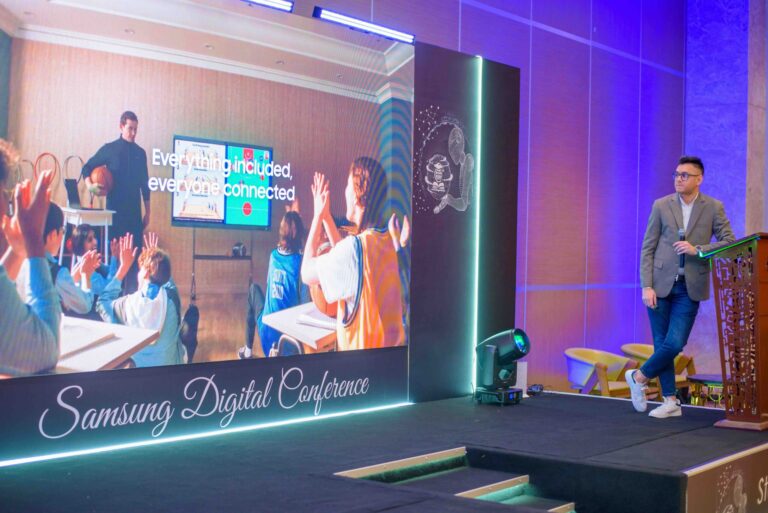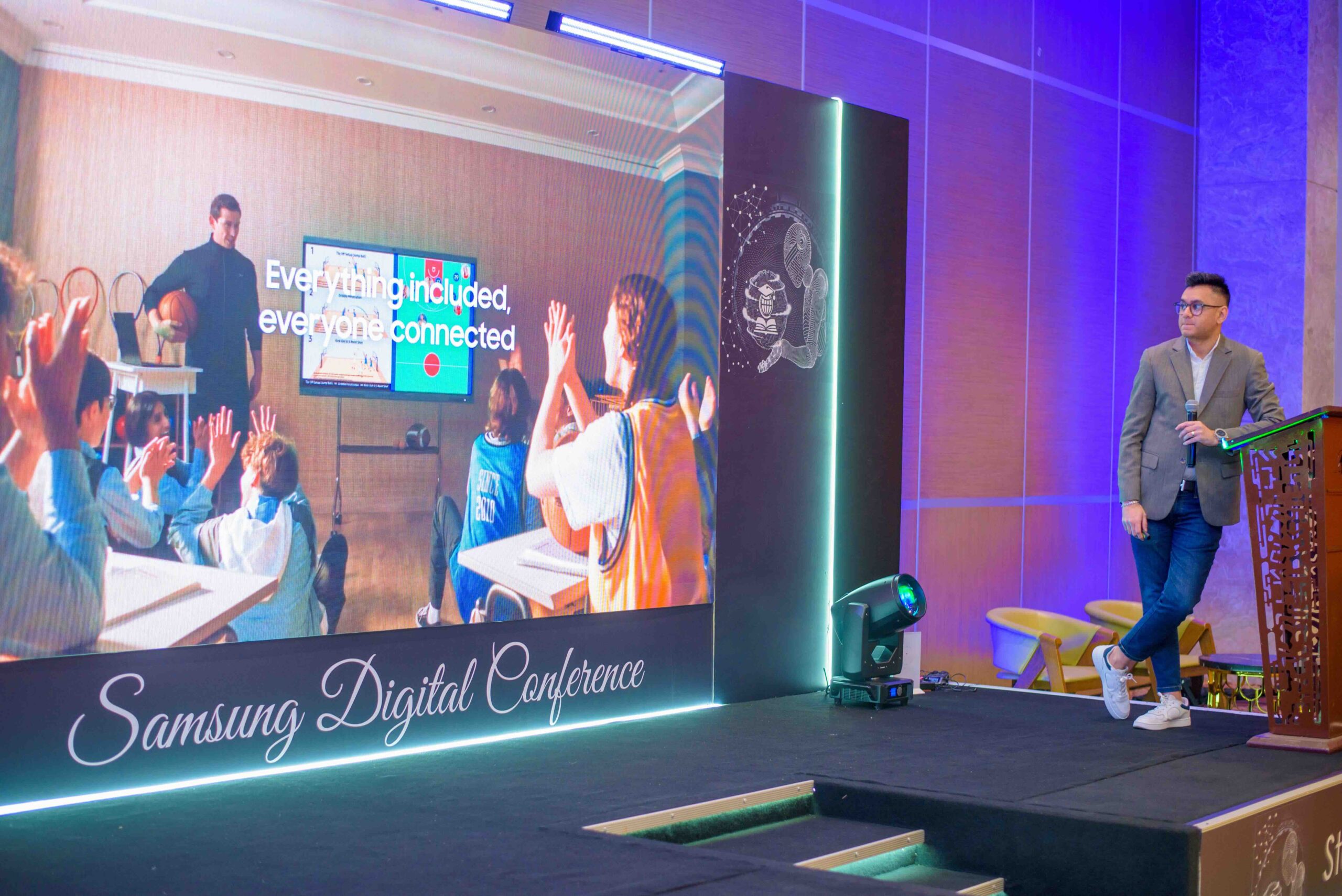
Samsung Electronics East Africa has launched a digital classroom solution in Kenya, targeting schools and government institutions looking to move beyond simply distributing devices to building connected learning environments.
The Samsung Digital Classroom combines tablets, interactive displays and a classroom management platform called Knox for Classrooms. The company says the system will allow teachers to distribute learning materials, monitor student participation, administer assessments and manage devices from a central platform.


The launch comes as Kenya expands the use of technology in education through the Competency-Based Curriculum and other digital learning programmes. While much of the early focus on education technology has centred on providing schools with laptops and tablets, institutions are increasingly grappling with how to manage the devices, secure them and integrate them into daily teaching.
Samsung is betting that an integrated system will solve some of those challenges.
Under the setup, a teacher can present content on a Samsung Interactive Board and share it directly with learners using Samsung tablets. Teachers can also monitor classroom activity, conduct quizzes and provide feedback through Knox for Classrooms.
School administrators can use the same platform to configure, monitor and manage devices across several classrooms or campuses. This could be particularly useful for large school networks and government-backed programmes where devices must be managed at scale.
“Kenya has made significant progress in advancing digital learning, and the next phase is ensuring that technology delivers impact in the classroom,” said Anthony Njihia, Mobile Experience B2B Manager at Samsung Electronics East Africa.
Njihia said schools need systems that make it easier for teachers to deliver lessons while giving administrators greater control over how devices are used.
The solution is being positioned for primary and secondary schools, universities and technical training institutions. Samsung also says the controls built into the platform could reassure parents that tablets and other classroom devices are being used primarily for education.
Moving beyond hardware
Kenya’s digital learning efforts have often focused on access to hardware. But supplying devices is only one part of building a functional digital classroom.
Schools must also consider internet connectivity, teacher training, digital content, device maintenance, data protection and the cost of replacing or upgrading equipment. Without these supporting systems, devices can quickly become underused or difficult to manage.
Samsung’s approach is to bundle classroom management, hardware and device security into one ecosystem. That could reduce the need for schools to purchase separate systems from multiple providers, although institutions will still need to assess the cost of deployment and the infrastructure required to support it.
“Digital transformation is most successful when technology works seamlessly for everyone involved,” Njihia said. “Teachers need tools that simplify lesson delivery, assessments and digital learning content, school administrators need visibility and control over devices, parents want confidence that technology is supporting learning, and governments need scalable solutions that can be deployed sustainably.”
Samsung did not disclose the price of the solution or identify schools that have already adopted it in Kenya.
The company said it plans to work with schools, government agencies and technology partners to expand the use of digital learning tools in the country. The launch is part of Samsung’s “The Future of Learning Starts Here” campaign, which promotes connected technology in education.
The success of the system, however, will depend on more than the quality of the devices. Schools will need to determine whether the platform is affordable, easy for teachers to use and adaptable to Kenya’s varied learning environments, including institutions where reliable connectivity and technical support remain limited.