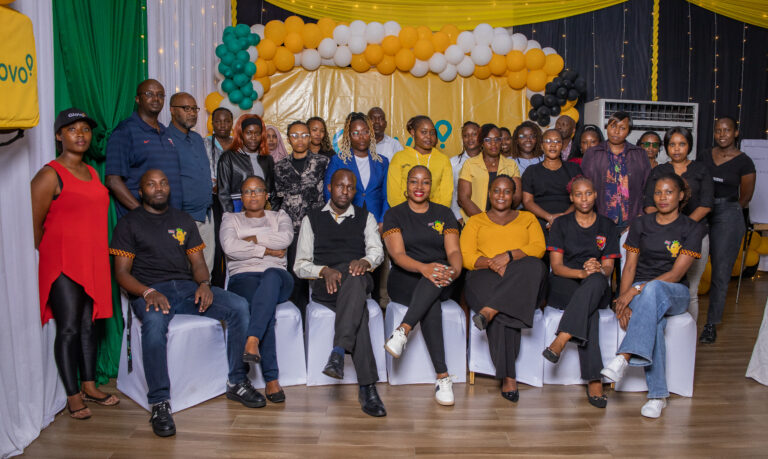
As Senegal aims to become a digital leader in Africa, shared growth requires inclusive approaches. Start-ups working with the NTF V project at the International Trade Centre (ITC) gained a better understanding of standards that open technologies to all.
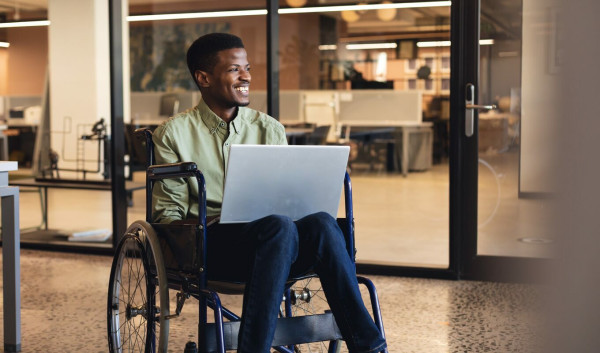
Senegal’s digital accessibility challenge
Senegal has launched a Technological New Deal, setting out to become a digital leader in Africa by 2050. As artificial intelligence and digital innovation open up new prospects for growth, inclusivity is becoming a crucial issue. How can we build a more prosperous society without offering all its citizens fair access to information and communication technologies?
For over 10 years, this issue has been the driving force behind the commitment of Amath Ndiaye, co-founder of Bakhtech. In France as in Senegal, Bakhtech combines technology and solidarity to improve the daily lives of people with physical, sensory or mental disabilities.
‘According to the WTO, 16% of the world’s population is affected by a disabling health problem. And this proportion is higher in developing countries. So we need to do more. Bakhtech’s ambition is to make technology perceptible, usable and understandable to everyone,’ he said.
Countries in the South are all too often unaware of international standards for digital accessibility. This has serious consequences for people with disabilities, since digital technology increasingly shapes our relationship with the world around us.
‘The challenge is to preserve the autonomy, freedom and employability of people with disabilities. Did you know that the professions of physiotherapist and computer scientist are the most popular among visually impaired people? Yet I remember a blind physiotherapist who, from one day to the next, was no longer able to practice because his business software had been updated and was no longer accessible to him. Digital technology should not be a threat to employment, but an opportunity,’ Ndiaye said.
Marieme Soda Sall is director of SAMRES Sénégal, a call center offering mobility services to Swedish users with disabilities.
‘Living with a disability in Senegal means living on the margins of society,’ she said. ‘Technology should be more at the service of people. SAMRES Senegal shows that this is possible. Thanks to digital tools, our operators can overcome geographical distance, language and cultural barriers. Based in Dakar, our teams deliver quality services every day to Swedish customers with disabilities.’
Turning digital accessibility into a growth opportunity
SAMRES Senegal takes a keen interest in the technological developments that are shaking up the work environment.
‘Accessibility principles often lead to clearer design, more logical navigation and better organization of content, which benefits not only our customers but all our users,’ Sall said. ‘For us, it’s a question of being more efficient, but also of facilitating collaboration with our international partners, for whom these standards are not an option.’
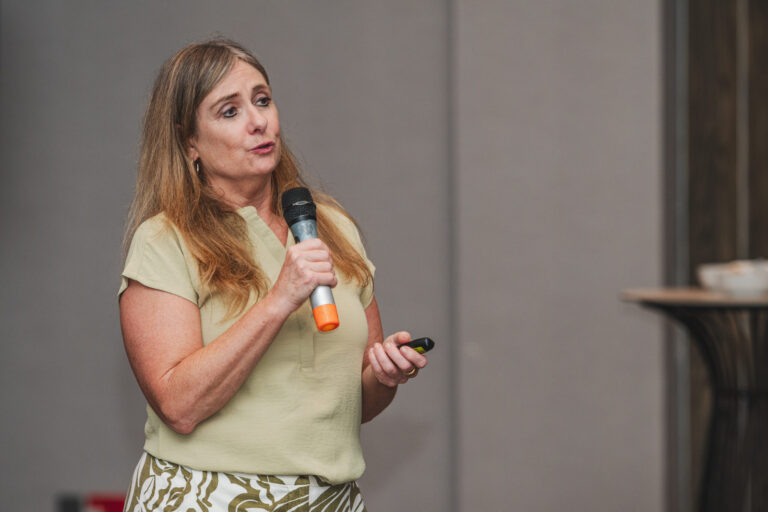
As trainer, Amath Ndiaye led the webinar on 25 March. Individual coaching sessions are scheduled for companies wishing to go further.
‘Bachtech has developed a solution based on artificial intelligence, capable of automatically detecting accessibility errors on any site,’ Ndiaye said. ‘Adopting universal accessibility standards is not just a question of social responsibility or ethics. It’s also a way of reinforcing your brand image by making a strong social commitment.’
He is delighted with the positive response he’s received from companies that have taken the training.
‘My hope is that Senegal will become a model of digital inclusion in West Africa, and even on the international stage. To achieve this, we need to get everyone on board with the issue of disability. And while there’s still a long way to go, companies are beginning to understand that they can be agents of change and contribute to the emergence of an inclusive digital ecosystem.’
Distributed by APO Group on behalf of International Trade Centre.