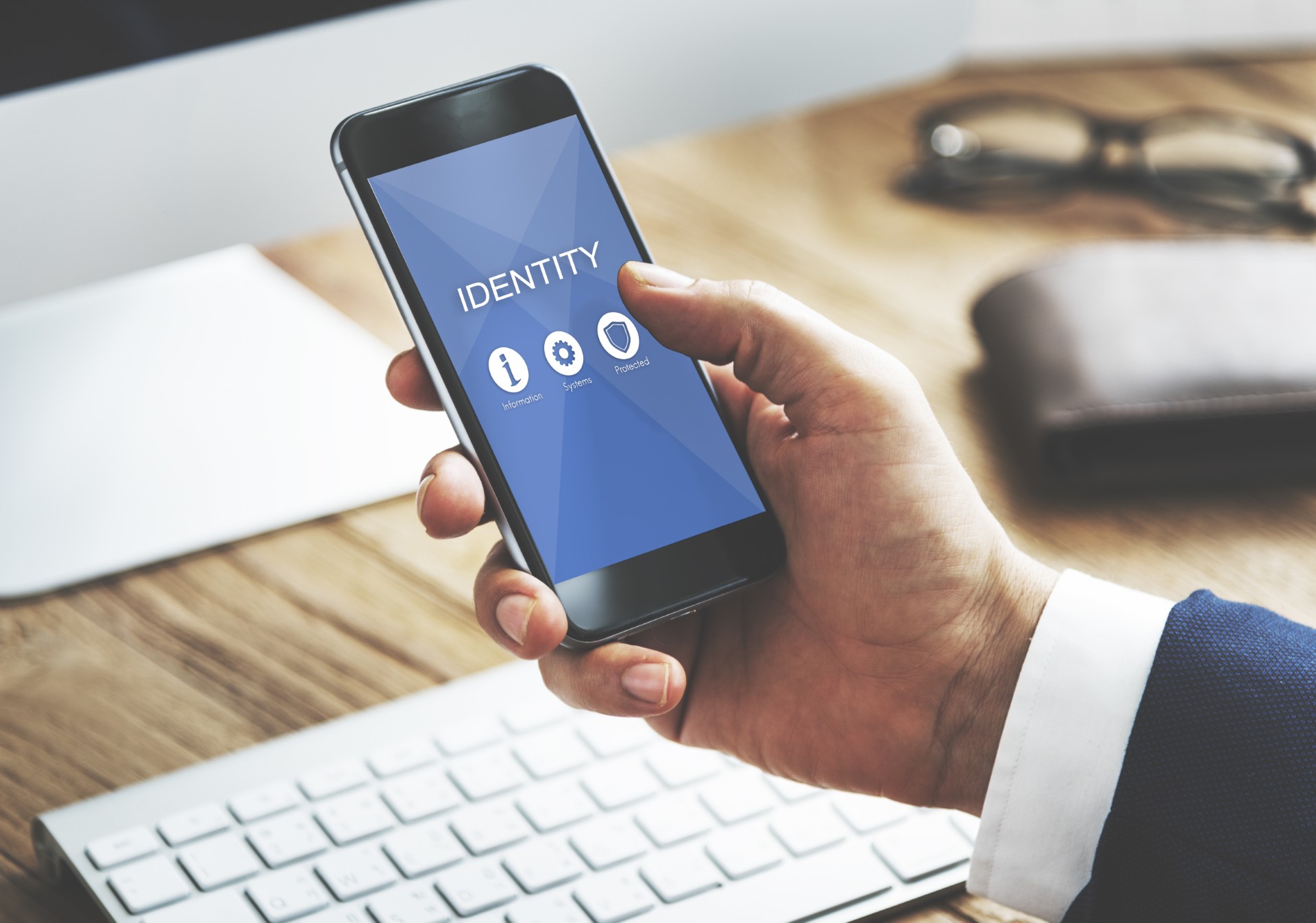
Today, mobile phones are no longer just communication devices. They are gateways to our personal, professional, and financial lives. From banking apps to private messages, health trackers to photo libraries, smartphones have become vaults of our most sensitive data. But unlike traditional vaults, they are not always impenetrable.
Increasingly, reports of consumer data being mishandled by major tech firms raise a red flag that cannot be ignored. Xiaomi, the Chinese smartphone giant, provides a notable example that highlights the importance of caution for users at all times.


In 2020, reports surfaced alleging that Xiaomi devices were collecting user data in ways that were not entirely transparent. Investigations suggested that the company’s default browser was recording user activity, from the websites visited to the search queries typed, even in “incognito” mode.
Such revelations sparked global concern, not only because Xiaomi is one of the world’s largest smartphone manufacturers, but also because they raised fundamental questions about trust, privacy, and accountability in the digital age. Although many forgot about the allegations, there are valuable lessons that, as consumers, we need to learn.
While Xiaomi has since defended itself and stated that its data practices are misunderstood or misreported, the incident nonetheless shines a light on a broader issue: the vulnerability of consumer data in the hands of tech companies whose business models are often fueled by information collection.
Why This Matters to Consumers
Data is the new oil, and in the digital economy, it is priceless. Every time you browse the internet, stream content, or even unlock your phone, you generate data. This data can reveal your habits, preferences, routines, and even your whereabouts. When aggregated and analysed, it creates an intimate profile that companies use for targeted advertising, market predictions, and sometimes even political influence.
For consumers, the risks are multi-layered. On one hand, there is the invasion of privacy; the idea that companies know more about your daily life than your closest friends. On the other hand, there is the potential misuse of this data. In the wrong hands, it could lead to identity theft, financial fraud, or intrusive surveillance.
In Kenya, these risks are amplified by the dominance of mobile money. According to the Central Bank of Kenya, transactions through mobile money agents reached Sh8.7 trillion in 2024, equal to more than half of the country’s GDP. A leak of this information could expose incomes, spending habits, and debts, creating opportunities for targeted scams and fraud.
Global and Local Implications of Data Privacy Breaches
The Xiaomi controversy must also be viewed in the larger geopolitical context. Countries such as the United States and members of the European Union have grown increasingly cautious about how foreign tech companies handle data. This caution stems from the fear that consumer information could be shared with state actors, thereby compromising national security. While not every allegation holds water, the mere possibility of such scenarios makes data privacy a matter of global concern, not just personal security.
Moreover, regulatory landscapes are tightening. The European Union’s General Data Protection Regulation (GDPR) and California’s Consumer Privacy Act (CCPA) are examples of laws designed to give consumers more control over their data. However, such frameworks are only as effective as their enforcement, and they rarely cover consumers in developing markets where smartphone adoption is growing fastest. This means that millions of users in regions like Africa and Southeast Asia may not have the same protections, leaving them exposed to potential exploitation.
Kenya has its own Data Protection Act, passed in 2019, and the Office of the Data Protection Commissioner (ODPC) was created to enforce it. Progress has been uneven, but there are signs of movement. In 2022, OPPO Kenya became the first company fined under the law, paying Sh5 million for using a customer’s photo on social media without consent. In 2023, other firms, including digital lenders, restaurants, and schools, faced fines for breaches such as spamming, misuse of personal images, and poor data handling.
What Consumers Can Do
While governments and regulators play a critical role in safeguarding data privacy, consumers themselves cannot afford to be passive.
Here are a few measures every smartphone user should consider:
- Scrutinise Permissions: Before installing apps, pay attention to the permissions requested. Does a flashlight app really need access to your location or microphone?
- Use Trusted Browsers and Apps: Rely on apps and browsers with established reputations for privacy, rather than default options whose practices may be opaque.
- Regularly Update Software: Updates often contain security patches that fix vulnerabilities hackers could exploit.
- Enable Encryption and Security Features: Use two-factor authentication, encrypted messaging apps, and strong passwords to reduce risks.
- Stay Informed: Awareness is the first line of defence. Follow credible news on data privacy issues to stay ahead of potential risks.
- Secure Mobile Money Apps: Given the central role of platforms like M-Pesa in Kenya’s financial ecosystem, consumers must treat these apps with the same caution as a physical wallet. Protect them with strong PINs, avoid sharing credentials, and stay alert to SIM-swap or phishing scams.
There is no doubt that while companies may offer sleek devices at competitive prices, the true cost may sometimes be hidden in how your data is used. Consumers must weigh the trade-off between affordability and privacy, convenience, and security.
Ultimately, vigilance is key. Trust should not be given lightly, especially when it comes to companies that control gateways to our digital lives. Just as we lock our homes and safeguard our bank PINs, we must adopt a proactive stance in protecting our digital footprints.