Kenya’s agricultural sector remains the country’s economic backbone, contributing between 20 and 25 percent to GDP and employing more than 70 percent of the rural population, according to the Kenya National Bureau of Statistics (KNBS). Yet farmers continue to face climate shocks, rising costs, and limited access to credit.
Between 2020 and 2024, Kenya experienced one of the worst droughts in 70 years, followed by floods that displaced over 500,000 households. KNBS data shows that climate variability has cost the economy up to five percent of GDP annually.


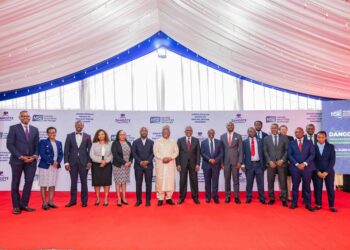
Amid these challenges, Stanbic Bank Kenya is emerging as a key partner in building a resilient and modern agribusiness ecosystem. The bank has increased its agriculture loan portfolio to nine percent of total lending in 2024, up from six percent in 2023. Its agribusiness strategy supports farmers and agripreneurs through insurance for crops, livestock, and farm assets, working capital and asset financing tailored to seasonal needs, and digital platforms that link farmers with markets and partners.
Through its OneFarm Solution, Stanbic connects farmers with buyers, suppliers, and service providers in real time. The platform offers market insights, price tracking, and planning tools to enable farmers to make informed, data-driven decisions. The bank’s E-Market Trader further enables producers to monitor commodity prices, forecast trends, and manage risks.
Stanbic’s partnerships with the U.S. African Development Foundation (USADF) and other partners are driving inclusive growth. The bank has disbursed KShs 63 million in MSME grants and KShs 37.8 billion through its D.A.D.A programme for women-led agribusinesses. More than 77,000 Kenyans have received digital literacy training.
The bank’s vehicle and asset financing solutions have also become critical enablers of productivity. Many agribusinesses rely on efficient transport and mechanisation to reduce costs and improve turnaround time. Through flexible vehicle financing options, Stanbic enables farmers and agri-entrepreneurs to acquire trucks, pickups, tractors, and other essential machinery without straining cash flow. The financing covers both new and used equipment and is structured to align with agricultural seasons, helping businesses scale operations, enhance logistics, and expand access to regional markets. This approach has made modern farming tools and reliable transport accessible to thousands of enterprises that previously struggled with capital constraints.
Kenya’s food systems face increasing climate and market pressures, but innovation and collaboration are transforming the landscape. With institutions like Stanbic Bank leading investment and technology integration, the future of Kenyan agribusiness looks more resilient, inclusive, and sustainable.