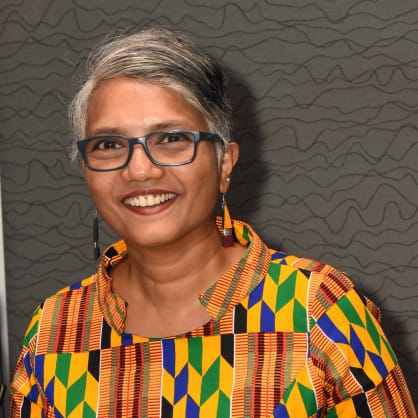
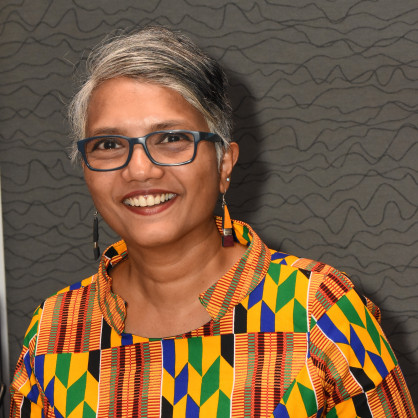
By Reshmi Theckethil, Lead Portfolio, Climate Action, Disaster Risk Reduction, Energy, and Resilience | Sahel Resilience Project Manager, UNDP Sub-Regional Hub for West and Central Africa (www.UNDP.org).


Imagine a Sahel region where every household, school, and hospital has access to clean, affordable energy—where renewable power not only serves homes but also drives economic transformation. Given the region’s rich solar, wind, and hydro resources, this vision is achievable. With one of the highest potential for solar energy production globally, at 13.9 billion kWh/year compared to the global consumption of 20 billion kWh/year, the Sahel’s renewable energy capacity remains underutilised. Currently, over 55% of energy production is dominated by fossil fuels like oil and gas, while renewable sources remain marginal.
Over the last two decades, primary energy demand in almost half of the Sahel countries has grown by more than 4% annually [1]. However, urban areas benefit disproportionately, leaving nearly half the population without electricity. Connectivity disparities are exacerbated by the high costs of power generation and infrastructure, with reliable electricity reaching only about 20% of the population.
Renewable Energy: A Driver of Human Development
Renewable energy in the Sahel is more than a technical solution—it’s a catalyst for sustainable human development. Policies that localise green energy solutions can end energy poverty and foster resilience. The transition from fossil fuels to renewables, as outlined in Nationally Determined Contributions (NDCs), offers inclusive opportunities for growth, improved social outcomes, and environmental protection. Coordinated strategies can ensure climate resilience while prioritising human welfare outcomes.
For women and youth, renewable energy access is transformative. It reduces reliance on time-intensive manual labour, opening opportunities for innovation and increased productivity across sectors. Solar-powered agricultural hubs could allow farmers to process produce locally, boosting incomes and reducing waste. Solar-powered irrigation could regenerate arid lands, combat food insecurity, and create sustainable livelihoods.
International Commitment to the Sahel
Cognizant of the region’s potential, UNDP is implementing the United Nations Integrated Strategy for the Sahel (UNISS), aiming to provide clean, affordable energy to over 150 million people by 2025. Since 2021, renewable energy initiatives have benefitted more than 70.7 million people in areas like the Lake Chad Basin [2] and Liptako-Gourma [3]. These efforts, supported by partners such as Sweden, Germany, the Netherlands, the United Kingdom, the African Development Bank, Norway, Japan, and local actors, leverage the productive use of energy to address structural energy poverty with climate and security considerations.
Initiatives like the Africa Minigrids Programme, the Regional Stabilization Facility, the Sahel Resilience Project and the Energy4Sahel initiative remain crucial to the region as they strengthen local regulatory capacities and empower communities to develop scalable, innovative solutions. For example, in Mauritania, Aziza Sidi Bouna, Founder and CEO of SB-GAZ, designs biodigester prototypes that supply homes with clean energy at a fraction of the cost of propane gas traditionally used for cooking. In Gambia, Jankey Jassey, a young renewable energy engineer, is at the forefront of creating space for young girls to work in the renewable energy sector. In Guinea, a young researcher, Marc Tambo, took on the bold task of mobilising his community to build a micro-plant that could power an electric plant, creating energy access for many and job opportunities for the community.
Strengthening Regional Collaboration
As the world shifts towards clean and equitable energy transitions, the region can spearhead sustainable and human-centred African green innovation. By working with development partners, the private sector, and the diaspora, Sahelian countries can adopt targeted green industrial policies to ensure and expedite necessary technology transfers and access to financing, as well as affordability and efficiency improvements. To create long-term solutions devoid of temporary market distortion, incentives for commercial investments must be considered. These investments must result in lasting customer-centric solutions that model cost-effective electrification scenarios and innovations aligned to socioeconomic development metrics.
Capitalising on the African Continental Free Trade Area (AfCFTA) opportunities, these nations can widen market access and promote cross-border energy interconnectivity and regional power pools. However, bridging the gap between ambitious policies and ground-level implementation sustained political commitment and strategic investments. Governments must ensure ministries and agencies prioritise energy access policies, with transparent public dashboards tracking progress. Civil society involvement in oversight and expenditure analysis is critical to achieving national electrification targets.
Through partnerships, innovative incentives, and public-focused investments, the Sahel can close the energy gap and bridge the rural-urban divide. Renewable energy offers a transformative path to sustainable, inclusive development. By fostering innovation and effectively leveraging resources, the Sahel can become a model for climate resilience and economic revitalisation, achieving energy access and affordability up to the last mile.
[1] International Energy Agency (2022). Clean Energy Transitions in the Sahel. International Energy Agency. Paris.
[2] Cameroon, Chad, Niger and Nigeria
[2] A historically marginalised area at the intersection of Burkina Faso, Mali, and Niger
Distributed by APO Group on behalf of United Nations Development Programme (UNDP).