The humanitarian response in Burundi to the growing influx of refugees from the Democratic Republic of the Congo (DRC) is being pushed to its limits as the deepening funding crisis threatens critical aid and strains relations between refugees and the host community, UNHCR, the UN Refugee Agency, warned today.


New arrivals fleeing conflict in the DRC have led to the first new refugee emergency unfolding amid the current global humanitarian funding crisis, and the consequences are already stark. UNHCR and partners continue to work tirelessly to maximize available resources and provide life-saving assistance and protection services, but the growing needs, coupled with extreme funding gaps, have left the response falling short. Without enough support, refugees are being forced to make difficult decisions to survive.
Since January, more than 71,000 people have crossed into Burundi, fleeing ongoing violence in the eastern part of the DRC. Since then, more than 12,300 have been relocated to the Musenyi refugee site, located in the east of Burundi, about five hours by road from the border with the DRC. Others are living with host communities in border areas with whom they have close links.
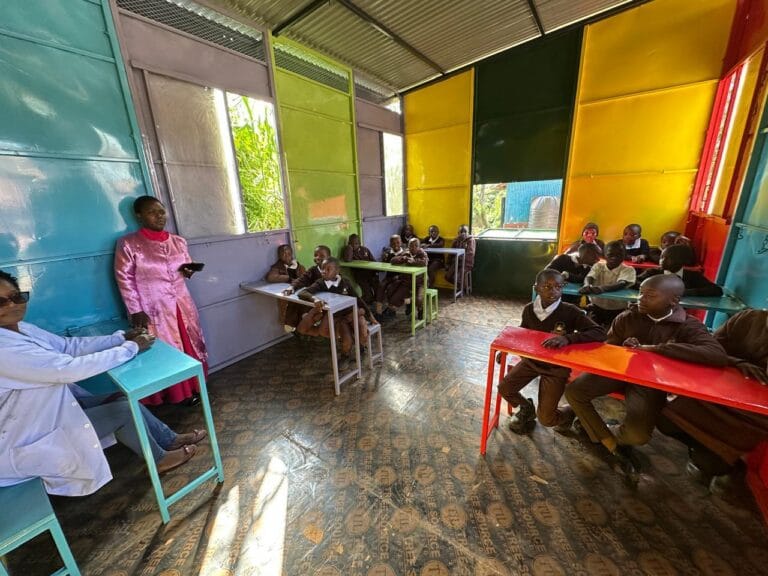
The living conditions in the Musenyi refugee site, which now hosts some 16,000 refugees – are becoming unsustainable. Emergency tents had to be pitched on lowland areas initially designated for farming due to overcrowding. With the rainy season starting, many are now flooded, further compromising living conditions and increasing risks of disease. Basic services such as schools, clinics, and sanitation facilities are either non-existent or overwhelmed, with tensions rising between pre-existing refugee communities and recent arrivals.
Given the extremely difficult living conditions in Burundi, with overcrowded sites and significantly reduced food assistance, some refugees have chosen to return to the DRC over the past weeks, primarily to reunite with family members or assess their properties, despite continued instability. But while some have returned, more than 700 new arrivals from DRC were registered in Burundi last week, nearly half of whom had previously been registered in the country. These back-and-forth movements reflect a coping strategy for Congolese refugees navigating between safety and survival.
Due to significant funding shortfalls, UNHCR and partners are facing critical limitations in providing protection services to survivors of gender-based violence and unaccompanied or separated children. UNHCR is no longer able to distribute dignity kits, leaving nearly 11,000 women and girls without access to basic hygiene items. Support for family tracing has also been severely reduced, making it increasingly difficult to identify, locate, and reunite separated children with their families. There are currently no child-friendly or women-friendly spaces where groups can gather for services and peer support in key hosting areas.
Despite limited resources and the ongoing operational challenges, our teams continue to prioritize delivering life-saving aid and protection. We have increased verification efforts to identify refugees living within host communities and deliver targeted support to the most vulnerable. We have strengthened the mechanisms for refugees to report abuses and receive much-needed support, resulting in a 60 per cent increase in sexual violence cases disclosed to UNHCR and partners across sites supporting new arrivals, most involving incidents of rape in the DRC. All survivors received support and were referred to health facilities.
This balancing act is becoming increasingly impossible, with teams on the ground running a full-scale emergency response, responding to the needs of existing refugees in the country, and preparing for future arrivals while also facing pressure to reduce their operations because of funding shortages.
The Government of Burundi has demonstrated commendable leadership by granting prima facie status to new arrivals and allocating additional land to host refugees. However, its capacity is stretched and further complicated by regional instability and high inflation, exacerbating economic vulnerabilities.
UNHCR calls on donors and development partners to step up support to improve basic life-saving services to refugees in Burundi and invest in long-term initiatives to benefit both refugees and host communities. Humanitarian partners in the country urgently need $76.5 million to respond to the current crisis. These requirements are part of the upcoming regional Refugee Response Plan for the DRC situation – covering Angola, Burundi, Republic of the Congo, Rwanda, Uganda, Tanzania, and Zambia – which incorporates additional needs triggered by the renewed violence in eastern DRC.
Distributed by APO Group on behalf of United Nations High Commissioner for Refugees (UNHCR).