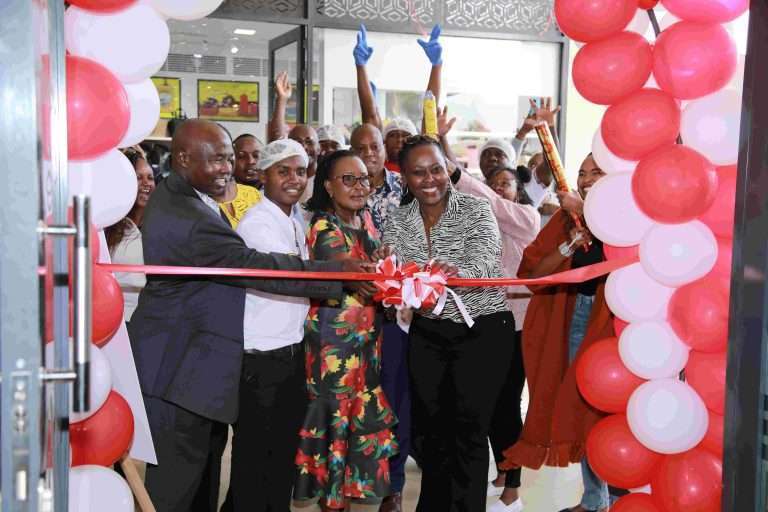


As countries around the world observed World Health Day on April 7, 2025, Botswana used the moment to reflect on its maternal health journey and renew its commitment to ending preventable maternal and newborn deaths. The national commemoration, jointly hosted by WHO Botswana and the Ministry of Health, brought together government officials, health experts, development partners, and citizens under the theme “Healthy Beginnings, Hopeful Futures.


Speaking at the event, maternal health consultant Dr. Morrison Sinvula issued a heartfelt call to action. “When a mother is healthy, a nation prospers,” he said. “Yet for too many women, the journey to motherhood remains fraught with danger.” Dr. Sinvula traced Botswana’s progress over the decades. In 1980, the country’s maternal mortality ratio (MMR) stood at 400 deaths per 100,000 live births. Targeted interventions, including free maternal services, expanded antenatal care, and emergency response systems, helped reduce that figure to 127 by 2015. However, progress stalled between 2016 and 2019, with the MMR plateauing around 144, and later surging to 200 during the COVID-19 pandemic. “That means 128 mothers lost their lives due to pregnancy-related complications in just two years,” he noted solemnly. “That’s 128 families shattered; 128 dreams extinguished at the moment life was being given.” He identified postpartum hemorrhage, hypertensive disorders, and delays in accessing care as leading causes of maternal deaths, most of them preventable. “We have the knowledge, the resources, and the will. Now we must act.”
WHO Botswana Officer-in-Charge, Dr. Juliet Bataringaya, echoed the urgency, calling on stakeholders to accelerate action. “Every seven seconds, somewhere in the world, a mother or child dies a preventable death. These are not just statistics they are lives lost, families broken, futures denied.” She cited new WHO data showing that four out of five countries are on track to miss global maternal survival goals by 2030, with 65 countries including most in Africa off track on newborn death reduction targets. “In the African region, 20 mothers and 100 newborns die every hour. We are facing a crisis that demands decisive action,” said Dr. Bataringaya. Despite notable improvements like better-trained health workers, stronger services, and digital innovations, she warned that underfunded systems, infrastructure gaps, and climate-related shocks are undermining progress.
Moreover, she expressed concern about recent cutbacks in global health funding. “Many life-saving programmes are being halted. Research focusing on pregnant and breastfeeding women is compromised, putting the most vulnerable at even greater risk.” Assistant Minister of Health, Hon. Lawrence Ookeditse, described maternal deaths as “a reflection of misplaced priorities” and emphasized the need for a rights-based, justice-driven approach to healthcare. He shared a heartbreaking story of a young woman and her quadruplets lost during childbirth, an outcome he said must never be repeated.
Hon. Ookeditse outlined four priority areas to turn the tide: strengthening antenatal and postnatal care, increasing skilled healthcare providers, ensuring regular check-ups for expectant mothers, and improving emergency care response. New mother Amantle Judith Mannathoko shared her own story at the commemoration, encouraging women to register for antenatal care early. “It’s important to act early to avoid complications like hypertension,” she advised. Having delivered twins via cesarean section for the second time, Mannathoko credited her safe delivery to strong family support and dedicated healthcare providers. She also called for more consistent availability of resources in hospitals and clinics. “Safe delivery should be guaranteed for every mother, no matter where she lives.”
World Health Day 2025 was not only a platform for dialogue but also a day of action. Activities like aerobics sessions and the high-spirited World Health Day Run were held to raise awareness. The run was hosted by Fearless Fitness Club, in partnership with WHO Botswana and the Ministry of Health, and drew a large turnout from citizens, civil society, and fitness groups, all showing unity and commitment to saving mothers and babies. WHO Botswana Officer-in-Charge, Dr. Juliet Bataringaya, joined the run as the Chief Walker, symbolizing WHO’s solidarity with the national efforts to improve maternal and newborn health.
As Botswana strives to meet the Sustainable Development Goal (SDG) target of fewer than 70 maternal deaths per 100,000 live births by 2030, the message from World Health Day was clear: maternal health is not a privilege, it’s a right. And achieving it will take political will, partnership, and people power.
Distributed by APO Group on behalf of World Health Organization (WHO), Botswana.