Friday, October 23, 2026
  • About
  • Advertise
  • Careers
  • Contact
NewsTrendsKE
  • Business
  • Deals
  • Investments
  • Real Estate
  • Economy
  • OpEds
  • Lifestyle
  • Sustainability
  • Women in Business
  • Technology
    • Phones
No Result
View All Result
NewsTrendsKE
No Result
View All Result

Home » APO News » Malawi Secures Gains Against Polio, Strengthens Health Systems for the Future

Malawi Secures Gains Against Polio, Strengthens Health Systems for the Future

Queen Amber by Queen Amber
1 year ago
in APO News
Reading Time: 3 mins read
A A
Share on FacebookShare on TwitterShare on WhatsApp

World Health Organization (WHO) - Malawi
Download logo

As Malawi celebrates its first anniversary after officially closing its reimported wild poliovirus (WPV1) outbreak, the country is taking strategic steps to sustain hard-won gains and strengthen its broader health system. On 24 April 2025, health leaders, partners, and stakeholders gathered for the National Polio Transition Planning meeting, an important milestone in ensuring that the infrastructure built to eradicate polio continues to serve Malawi’s communities for years to come.


Also Read

Peter Ndegwa

Safaricom CEO Reveals What’s Next for M-PESA as Firm Bets on AI and Financial Services

23 October 2026
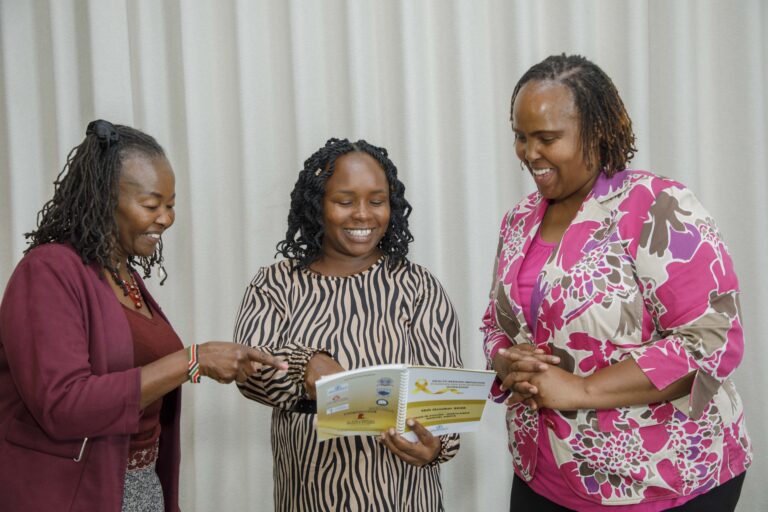
From L to R: Prof. Jessie Githang'a, Kenya Team Leader for the Early Warning Signs and Symptoms (EWSS) Project; Dr Joyfrida Chepchumba, Childhood Cancer Focal Person at the Ministry of Health; and Dr Doreen Karimi-Mutua, Paediatric Haematologist-Oncologist at Gertrude's Children's Hospital and Principal Investigator of the research, discuss key takeaways during the preliminary dissemination of research findings for the study on Factors Influencing Health-Seeking Behaviour Among Caregivers of Children with Cancer in Kenya, held at PrideInn Azure, Nairobi.

Financial and Geographical Barriers Keep Caregivers from Seeking Timely Childhood Cancer Care in Kenya, Study Reveals

22 October 2026
Load More

From Polio Response to Long-Term Resilience

Polio resources – from trained personnel to disease surveillance systems-have played a key role in emergency health responses across Malawi. The transition planning process aims to protect these assets and ensure their integration into the national health system. In line with the Polio Transition Strategic Framework, Malawi’s plan supports national ownership of essential polio functions, including surveillance, immunization, and outbreak response.

“Transitioning from GPEI support means we must strengthen our ability to manage core functions nationally. This is vital to keep Malawi polio-free and improve our capacity to detect and respond to other vaccine-preventable diseases,” said Dr. Patrick Wataya Chirwa, Chair of the National Certification Committee.

In May 2020, Malawi (alongside the rest of the African Region) was certified free of indigenous wild poliovirus. However, the detection of a reimported case from Southern Asia in 2022 served as a powerful reminder that polio remains a global threat. Malawi’s health authorities responded swiftly and decisively, successfully interrupting transmission by May 2024.

By January 2025, the Global Polio Eradication Initiative (GPEI) had classified the country as low-risk on its global polio watchlist—a testament to Malawi’s strong response and surveillance systems.

However, maintaining that status means planning for the future. As external polio funding declines, Malawi must close gaps in workforce and financing. The Polio Transition Plan will help secure critical capacities and align them with the Ministry of Health-led Immunization Programme, reinforcing the country’s ability to prevent and respond to outbreaks.

Sarah Wanyoike, from WHO AFRO’s Eastern and Southern Africa inter-country support team, highlighted how lessons from Malawi’s recent outbreak response can shape a stronger, more resilient health system. “We must integrate service delivery and strengthen surveillance across the board—not just for polio, but for all vaccine-preventable diseases,” she said.

The plan focuses on optimizing existing systems, integrating surveillance efforts, and building multisectoral collaboration, linking immunization, emergency preparedness, One Health approaches, and community engagement.

At the meeting, Dr. Neema Kimambo, WHO Representative to Malawi, emphasized that the transition is not just a health sector responsibility. It requires cross-cutting collaboration among government agencies, local health authorities, partners, and civil society.

“Malawi’s success will depend on strong coordination between the Ministry of Health, EPI, the Public Health Institute of Malawi, district councils, health partners, NGOs, and communities themselves,” Dr. Kimambo noted.

These efforts aim to ensure that the systems and knowledge built through the polio programme continue to benefit Malawians, supporting everything from emergency response to routine immunization and disease surveillance.

Malawi’s National Polio Transition Plan is a blueprint not only for sustaining polio eradication efforts but also for advancing universal health coverage and equity. As the country moves from emergency response to long-term resilience, WHO and partners remain committed to supporting a smooth and sustainable transition—helping Malawi stay polio-free and healthier for generations to come.

Distributed by APO Group on behalf of World Health Organization (WHO) – Malawi.
Previous Post

World Health Organization (WHO) supports Mauritius in developing a national medicine policy to ensure access to safe and quality medicines

Next Post

South Sudan: Médecins Sans Frontières (MSF) calls for urgent scale up in water and sanitation programs amidst rising cholera cases in Abyei

Related Posts

Peter Ndegwa
Technology

Safaricom CEO Reveals What’s Next for M-PESA as Firm Bets on AI and Financial Services

23 October 2026
From L to R: Prof. Jessie Githang'a, Kenya Team Leader for the Early Warning Signs and Symptoms (EWSS) Project; Dr Joyfrida Chepchumba, Childhood Cancer Focal Person at the Ministry of Health; and Dr Doreen Karimi-Mutua, Paediatric Haematologist-Oncologist at Gertrude's Children's Hospital and Principal Investigator of the research, discuss key takeaways during the preliminary dissemination of research findings for the study on Factors Influencing Health-Seeking Behaviour Among Caregivers of Children with Cancer in Kenya, held at PrideInn Azure, Nairobi.
Health

Financial and Geographical Barriers Keep Caregivers from Seeking Timely Childhood Cancer Care in Kenya, Study Reveals

22 October 2026
Samsung Galaxy Watch Ultra Named Best Upgrade Pick For 2025
Technology

5 Things You Probably Didn’t Know Your Galaxy Watch9 Could Do

22 October 2026
Pink Polo Tournament
Deal

Mercedes-Benz Announced Official Car Sponsor of the Pink Polo Tournament

22 October 2026
Peter Ndegwa

Safaricom CEO Reveals What’s Next for M-PESA as Firm Bets on AI and Financial Services

23 October 2026

LOOP Safari Gravel Series Reaches 10,000-Tree Conservation Milestone

22 October 2026
Samsung Galaxy Watch Ultra Named Best Upgrade Pick For 2025

5 Things You Probably Didn’t Know Your Galaxy Watch9 Could Do

22 October 2026
Kenya Airways E190

Kenya Airways Partners with Art of Luxury to Expand Premium Customer Experiences

22 October 2026
Pink Polo Tournament

Mercedes-Benz Announced Official Car Sponsor of the Pink Polo Tournament

22 October 2026
From L to R: Prof. Jessie Githang'a, Kenya Team Leader for the Early Warning Signs and Symptoms (EWSS) Project; Dr Joyfrida Chepchumba, Childhood Cancer Focal Person at the Ministry of Health; and Dr Doreen Karimi-Mutua, Paediatric Haematologist-Oncologist at Gertrude's Children's Hospital and Principal Investigator of the research, discuss key takeaways during the preliminary dissemination of research findings for the study on Factors Influencing Health-Seeking Behaviour Among Caregivers of Children with Cancer in Kenya, held at PrideInn Azure, Nairobi.

Financial and Geographical Barriers Keep Caregivers from Seeking Timely Childhood Cancer Care in Kenya, Study Reveals

22 October 2026
NewsTrendsKE

NewsTrendsKE

NewsTrendsKE: the business intelligence read for Kenya's decision-makers.

Follow us on social media:

  • About
  • Advertise
  • Careers
  • Contact

©2026 NewsTrendsKE.

No Result
View All Result
  • Business
  • Deals
  • Investments
  • Real Estate
  • Economy
  • OpEds
  • Lifestyle
  • Sustainability
  • Women in Business
  • Technology
    • Phones

©2026 NewsTrendsKE.

Go to mobile version