Financial constraints, long distances to specialised facilities and limited awareness of childhood cancer are among the main factors shaping when caregivers seek medical help for children with cancer in Kenya, according to preliminary research findings presented at a stakeholder engagement and co-design workshop hosted by Gertrude’s Children’s Hospital in partnership with St. Jude Children’s Research Hospital.
For many families, the cost of seeking care can determine how quickly a child with cancer receives medical attention. Transport to specialised facilities, diagnostic tests and treatment expenses can place a significant burden on households with limited incomes, potentially delaying the decision to seek care or continue with referrals. These challenges are particularly concerning in Kenya, where according to the World Health Organisation, in low- and middle-income countries (LMICs) fewer than 30 per cent of children with cancer survive, compared with more than 80 per cent in high-income countries. Kenya records about 3,000 new childhood cancer cases every year.


The study, Factors Influencing the Health-Seeking Behaviour of Caregivers of Children with Cancer in Kenya, found that more than 70 per cent of caregivers interviewed live on household incomes below KES 20,000 a month, and about half were unemployed. Although many had some form of health financing, gaps in insurance coverage and the cost of treatment remained major obstacles to care.
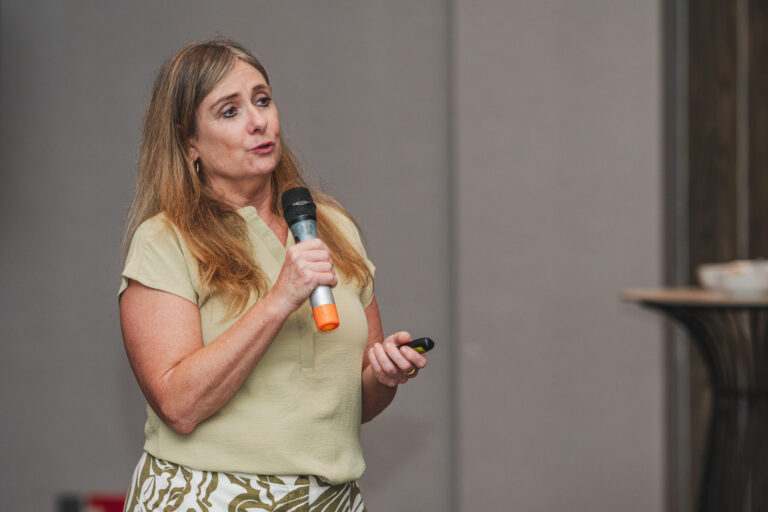
Presenting the findings at a workshop with healthcare professionals, Dr Doreen Karimi Mutua, Paediatric Haematologist-Oncologist at Gertrude’s Children’s Hospital and Principal Investigator of the study, said financial, geographical, social and health-system barriers all influence how quickly children reach care.
“Early diagnosis is critical to improving childhood cancer outcomes, but we must recognise the realities families face when trying to access care. Financial constraints, long distances to specialised facilities and limited awareness of childhood cancer can delay the journey from recognising symptoms to receiving a diagnosis and starting treatment,” said Dr Karimi.
Distance was a major challenge. Some families travelled long distances to reach specialised facilities, with the longest journey recorded in the study spanning 981 kilometres. The study also noted that treatment was further delayed as caregivers moved between facilities in search of an accurate diagnosis, the right investigations and specialist care.
Awareness was another gap the study highlighted. Nearly half of the caregivers interviewed had never heard of childhood cancer before their child’s illness, pointing to the need for greater awareness of warning signs and of the importance of seeking care when symptoms are persistent or unusual.
Further, the study found that social networks, cultural beliefs and alternative treatment practices also influenced caregivers’ decisions, underscoring the importance of engaging communities and trusted local voices in awareness efforts, and of strengthening referral pathways between primary healthcare facilities and specialised treatment centres.
The study also tracked the time from the onset of symptoms to a caregiver’s decision to seek care, diagnosis and the start of treatment. It reported a median interval of 46 days from symptom awareness to diagnosis and 11 days from diagnosis to treatment initiation.
Data collection for the two-year study began in September 2024 across six public, faith-based and private hospitals including Moi Teaching and Referral Hospital, Kenyatta National Hospital, Gertrude’s Children’s Hospital, AIC Kijabe Mission Hospital, Kisii Teaching and Referral Hospital and Aga Khan University Hospital. Analysis of the quantitative findings is ongoing, and facility-level reports are expected to help participating institutions identify specific barriers and shape targeted interventions.
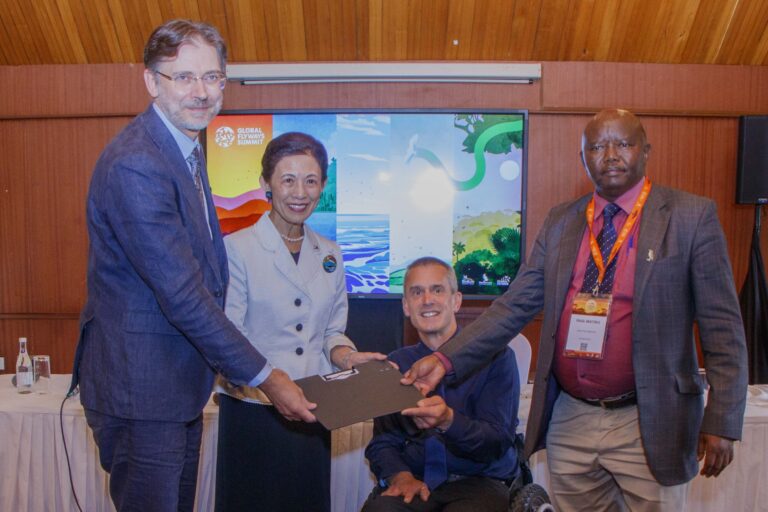
The workshop, held at Pride Inn Azure in Westlands, brought together stakeholders from government, healthcare, civil society and the media to turn the findings into practical strategies and policy recommendations for earlier diagnosis. Representatives of Hope for Cancer Kids, Faraja Cancer Centre and Gertrude’s Children’s Hospital Foundation called for stronger coordination among healthcare providers, government institutions, community and faith leaders, patient-support organisations and the media.
Dr Joyfrida Chepchumba, Technical Lead, National Cancer Control Program at the Ministry of Health, stressed the need for a unified approach across the childhood cancer care system.
“Improving childhood cancer outcomes requires a coordinated effort. We need to bring together healthcare providers, government institutions, community leaders and other stakeholders to address the gaps that delay diagnosis and treatment. By sharing knowledge and aligning our efforts, we can develop solutions that respond to the realities families face and help more children access care in time,” said Dr Chepchumba.
Childhood cancer can often be treated successfully when diagnosed early, but many families face barriers to reaching specialised care in time. Improving outcomes requires greater awareness of warning signs, stronger referral systems and practical support to help caregivers access timely diagnosis and treatment.