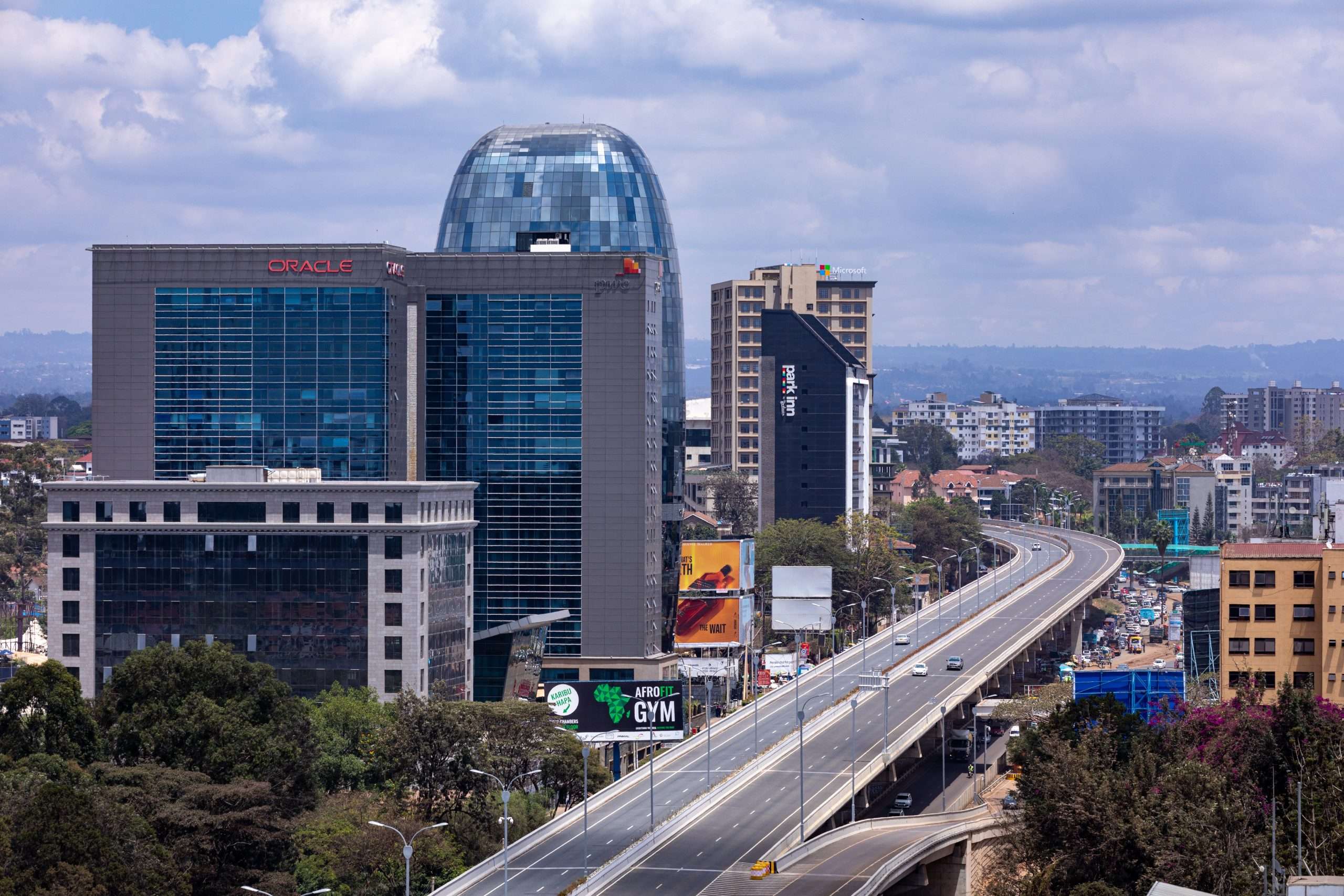
Kenya’s capital city entered an effective lockdown early Monday morning, with the Central Business District (CBD) and surrounding arteries rendered largely inaccessible due to heightened security ahead of the annual Saba Saba demonstrations. For investors and international stakeholders, the developments signal a moment of heightened socio-political tension in East Africa’s economic powerhouse.
As of 6:00 a.m. local time, roads leading into Nairobi’s CBD—such as Thika Road, Mombasa Road, Kiambu Road, and Ngong Road—were barricaded at strategic locations, including Pangani, Nyayo Stadium, DCI headquarters, and City Mortuary. This follows a significant deployment of police units observed across the capital, particularly around key installations such as State House, Kenyatta Hospital, and Nyayo Stadium junction.


The disruptions have already affected commerce and mobility. Numerous workers, small-scale traders, and businesspeople reported being turned away or rerouted, while hundreds of passengers were stranded overnight following the abrupt cancellation of the Madaraka Express midnight train from Mombasa to Nairobi. Kenya Railways attributed the cancellation to a “technical fault”, but many link it to the broader security clampdown.
The atmosphere follows a tense weekend in which police intercepted groups of youth travelling from the coast to Nairobi—allegedly to participate in today’s protests. At Dongo Kundu Bypass near Likoni, authorities stopped dozens of buses ferrying attendees from the Summer Tides Festival in Diani.
In parallel, warnings from senior government officials further stoked fears. Moses Kuria, a presidential economic advisor, issued a provocative X post in the early hours of Monday, cautioning protesters against vandalism, stating that those who damage property will “make his Kachumbari and stew”—a metaphor widely interpreted as a threat.
The significance of Saba Saba—7th July—remains etched in Kenya’s political history. It marks the anniversary of the 1990 pro-democracy protests that forced constitutional changes and led to the legalisation of multi-party politics. This year’s demonstrations have drawn renewed energy, particularly from younger generations disillusioned by economic inequality, poor governance, and limited democratic space.
Former Prime Minister and opposition veteran Raila Odinga, himself a participant in the original 1990 march, announced he would lead a rally at Kamukunji Grounds in Nairobi. Supporters view the event as a continuation of Kenya’s democratic journey; critics argue it is politically motivated unrest in an already fragile economic context.
While Saba Saba is commemorated as a democratic milestone, today’s lockdown reflects Kenya’s enduring tensions between state authority and civil freedoms. For the international community, especially those with commercial and developmental interests in Kenya, the events of 7 July 2025 should prompt a closer watch on governance trends, youth mobilisation, and the state’s commitment to dialogue.
Kenya remains a key anchor for regional trade and diplomacy, but episodes like today’s Saba Saba are reminders of the complex interplay between history, politics, and economic resilience. Investors would do well to track the situation closely and engage local partners for situational updates.