Saturday, July 18, 2026
  • About
  • Advertise
  • Careers
  • Contact
NewsTrendsKE
  • Business
    • Deals
  • OpEds
  • Sustainability
  • Women in Business
  • Lifestyle
  • Featured
  • Technology
    • Phones
  • Sports
  • World
  • Contact Us
No Result
View All Result
NewsTrendsKE
No Result
View All Result

Home » Business » Bolt Ride-Hailing in Kenya Boosts Driver Incomes and Livelihoods, Report Shows

Bolt Ride-Hailing in Kenya Boosts Driver Incomes and Livelihoods, Report Shows

Queen Amber by Queen Amber
4 months ago
in Business
Reading Time: 2 mins read
A A
Share on FacebookShare on TwitterShare on WhatsApp

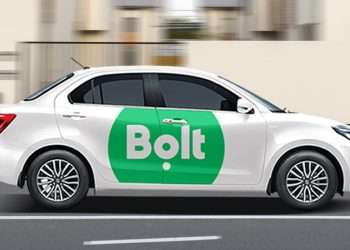
Bolt, the leading on-demand mobility platform, has revealed that ride-hailing is playing an increasingly vital role in supporting livelihoods in Kenya, according to its first Gig Economy Report conducted with Ipsos. The study provides the most detailed look yet at the motivations, income impact, and realities of platform-based work in the country.

The survey found that 53% of ride-hailing drivers rely on digital platforms as their primary source of income, while 47% use it to supplement other earnings. This underscores the growing significance of gig work in strengthening financial resilience for thousands of Kenyans.

Also Read

Bolt

Bolt Kenya Is Not Leaving: What the Fake Exit Notice Reveals About Driver Frustrations

2 June 2026
Bolt

Bolt adjusts fares by 6% to support driver earnings amid rising fuel costs

13 May 2026
Load More

Financial independence and flexible work schedules remain key motivators for drivers. Around 28% of respondents said they joined the sector to gain self-sufficiency, while 21% valued the ability to earn on their own terms, including setting their own hours.

The report also highlights ride-hailing as a major contributor to Kenya’s broader gig economy. Ride-hailing activity accounts for roughly 20% of the sector, second only to e-commerce, which represents 42% of the gig economy.

Dimmy Kanyankole, Senior General Manager for East Africa at Bolt, said, “As digital platforms evolve, ride-hailing is increasingly becoming an important source of income and economic empowerment for many Kenyans. At Bolt, we are proud to create opportunities for thousands of drivers to earn reliably while maintaining flexibility and independence.”

The survey indicates tangible benefits for drivers’ households, with 54% reporting a significant improvement in their livelihoods since joining ride-hailing. This shows how platform-based work can directly enhance economic stability for families.

However, the sector still faces challenges in achieving inclusivity. The study found that 97% of drivers are male, leaving only 3% female participation, highlighting the need for targeted initiatives to encourage more women to join the gig economy.

Soyinka Witness, Strategy Director at Ipsos, added, “Platform-based work is shaping Kenya’s labour market, providing opportunities for income and independence. At the same time, the gender imbalance presents a clear opportunity for more inclusive growth.”

The findings arrive amid ongoing global debates about the future of work, platform regulation, and gig economy growth. Insights from this study offer a clear picture of how ride-hailing is impacting both employment opportunities and economic participation in Kenya.
Tags: Bolt
Previous Post

Samsung Retains No. 1 Position in Global Commercial Displays Market for 17th Consecutive Year

Next Post

Access Bank Calls for Staskeholders Collaboration to Boost Intra-African Trade

Related Posts

Bolt
National

Bolt Kenya Is Not Leaving: What the Fake Exit Notice Reveals About Driver Frustrations

2 June 2026
Bolt
Deal

Bolt adjusts fares by 6% to support driver earnings amid rising fuel costs

13 May 2026
Bolt
Sustainability

Bolt says one in four EVs in Kenya now operate on its platform

9 February 2026
News

Digital taxi revolt enters fourth year: Strikes, regulations and walkouts, but NTSA, Bolt, Uber unmoved

19 November 2025

KCSE 2025 KNEC Results Online-Only Access

9 January 2026
Matatu Owners Association President Albert Karagacha, KCB Unit Head, Asset Finance and Insurance, Juliana Kinyua, and ePureMotion CEO Gilbert Saggia demonstrate the EV charging system during the official launch of an EV charging site for Matatu Owners Association vehicles in Buruburu, Nairobi, on July 14, 2026.

Buruburu PSV EV Charging Station Site Marks Major Milestone in Kenya’s Electric Matatu Journey

17 July 2026
Glovo

Glovo Backs Card and Mobile Money Payments in Kenya as Uber Drops Visa

27 January 2026
Liberty Kenya Holdings Chief Executive, Kieran Godden speaking during the Liberty pension conference held in Nairobi

Liberty Kenya Enhances LifeVest with Built-in Critical Illness and Disability Protection 

17 July 2026
BLACKISH Icecream

BLACKISH Ice cream: Dairyland Introduces Kenya’s First-Ever Black Ice Cream

17 July 2026
Defence PS Dr Patrick Mariru, Chief of the Defence Forces General Charles Kahariri, Housing PS Charles Hinga, and KCB Bank Kenya MD Annastacia Kimtai display the signed MOU allowing KDF officers to buy units under the Affordable Housing Programme under the Civil servants' mortgage scheme at 4% interest.

KDF Officers to Access Decent Housing After Signing 4pc Mortgage Deal

17 July 2026
NewsTrendsKE

NewsTrendsKE

A News Blog For Readers Who Want More

Follow us on social media:

  • About
  • Advertise
  • Careers
  • Contact

©2026 NewsTrendsKE.

No Result
View All Result
  • Business
    • Deals
  • OpEds
  • Sustainability
  • Women in Business
  • Lifestyle
  • Featured
  • Technology
    • Phones
  • Sports
  • World
  • Contact Us

©2026 NewsTrendsKE.

Go to mobile version