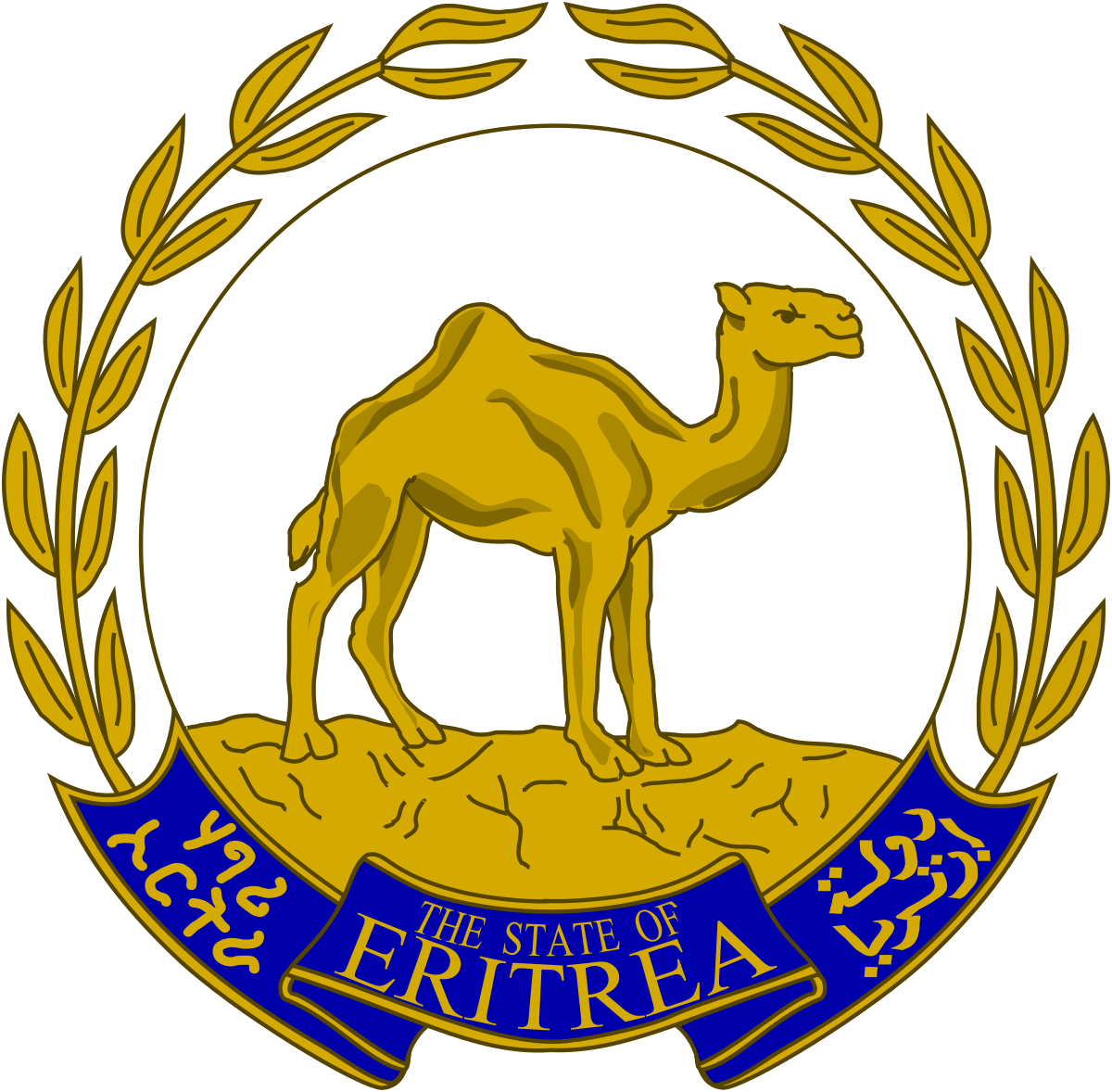
Just several weeks ago, Eritreans across the country and around the world – joined by innumerable friends and well-wishers – joyously celebrated the nation’s hard-won independence. The occasion, along with the period surrounding it, was marked by spirited festivities, exuberant gatherings, and a huge outpouring of pride and excitement. Eritrea’s independence, achieved through immense sacrifice in both blood and treasure, holds profound significance. Accordingly, Independence Day – together with Martyrs Day, which is commemorated in June – is recognized as one of the most important and revered dates on the national calendar.


A central and inspiring theme woven through the many events and activities, especially those held across various regions of Eritrea, was the celebration of the country’s rich and colourful diversity. For instance, attending events in Asmara provided a unique opportunity to witness and engage with individuals and groups that represented the broad tapestry of Eritrean society: men and women of all ages; residents from each of the country’s six administrative regions; followers of different religious faiths; people from various socioeconomic backgrounds; and members of the nation’s diverse ethnolinguistic communities.
These inclusive gatherings fostered an atmosphere of warmth, camaraderie, and national pride, where people came together to smile, share in the joy, and celebrate their collective identity. More than just a commemoration of independence, the period served as a vivid and powerful expression of one of Eritrea’s most beautiful and defining attributes: peace and unity in diversity.
Diversity – whether in terms of race, religion, ethnicity, language, or culture – can be a powerful catalyst for the flourishing of new perspectives, the birth of innovative ideas, and the cultivation of creativity and dynamism. It often acts as a driving force behind progress, enriching communities, societies, and nations alike. However, history – at both the global level and even the continental and regional level – offers many sobering examples where diversity, if poorly managed or misunderstood, has instead fuelled societal fragmentation, discord, and at times, violent conflict.
As a multi-ethnic and multicultural nation, Eritrea has remained firmly committed to promoting peaceful coexistence, mutual respect, and national unity. Its development and nation-building efforts are rooted in the foundational principles of equality and social justice. The country places unwavering emphasis on ensuring that all Eritreans – irrespective of ethnicity, religion, gender, or social status – have the right and opportunity to fully participate in, contribute to, and benefit from sustainable development.
The country’s laws, regulations, and policies, anchored in deeply held socio-cultural values, create a robust framework for inclusive political, social, and economic development. National legislation expressly prohibits and penalizes discrimination, exclusion, or preference based on disability, ethnicity, colour, religion, socioeconomic background, language, gender, or any similar distinction.
Over the past thirty years, Eritrea has developed and implemented a wide range of policies and legal instruments tailored to uplift and support vulnerable and marginalized groups. These include the poor, women, children, persons with disabilities, nomadic communities, and those living in remote or underserved regions.
These interventions are designed to close social and economic gaps and to foster equitable opportunities across all segments of society. The objective is clear: to ensure that every Eritrean is empowered to pursue success and partake in the benefits of inclusive growth and national progress.
To that end, essential health services are provided at no cost, and individuals with chronic illnesses or other serious conditions receive free medical care and necessary medications. Similarly, the country’s education policy guarantees free access to schooling from primary through tertiary levels. These commitments are bolstered by several complementary initiatives designed to promote inclusivity and equal opportunity, such as the mother-tongue education policy, adult literacy programs, and outreach learning efforts.
An additional cornerstone of inclusive development – especially relevant given the large proportion of the population that resides in rural areas and depends on agriculture and pastoralism for livelihood – is the Minimum Integrated Household Agricultural Package (MIHAP). Launched in 2007, MIHAP has positively impacted thousands of rural households, including many headed by women. The package includes one improved dairy cow (or 12 goats), 25 chickens, two beehives, 20 trees (a mix of fruit-bearing, leguminous, and firewood species), a vegetable plot, cropland, and sustained technical support from Ministry of Agriculture experts. This comprehensive approach promotes food security, increases household income, and strengthens community resilience.
In sum, Eritrea’s enduring dedication to social justice and equality has not only enhanced the inclusiveness and vibrancy of the nation but has also been instrumental in nurturing peace, stability, and cohesion. By valuing diversity and upholding the dignity of all its citizens, Eritrea continues to build a more united, equitable, and prosperous future. It is this very spirit – of unity in diversity, of resilience grounded in equality – that was so vividly on display during the recent Independence Day celebrations, offering a glimpse into the kind of future the nation continues to strive for.
Distributed by APO Group on behalf of Ministry of Information, Eritrea.