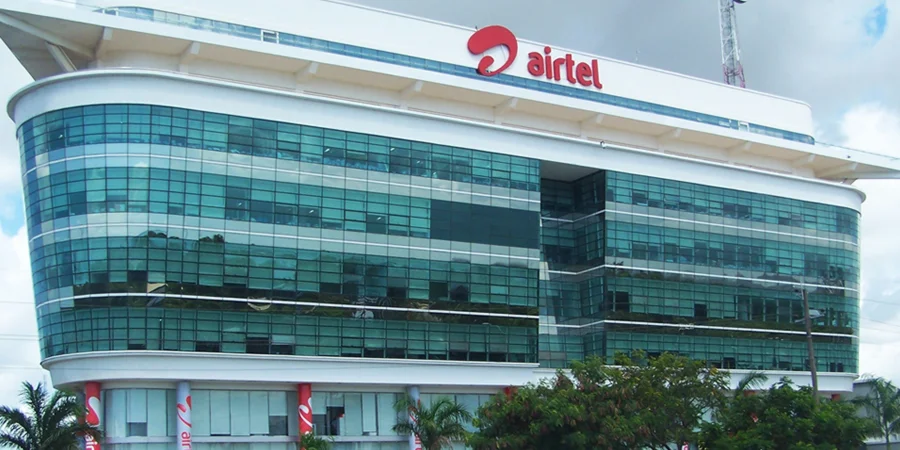
Airtel Africa has announced that it saved 9.1 million litres of diesel during its 2025/2026 financial year as part of efforts to reduce the environmental impact of its operations across the continent.
The telecommunications and mobile money services provider, which operates in 14 African countries, said the savings were achieved by reducing reliance on diesel-powered infrastructure and increasing the use of lower-carbon energy sources.

As part of the initiative, the company converted 390 infrastructure sites to on-grid power during the year, a move aimed at improving operational efficiency while cutting emissions.
Airtel Africa CEO Sunil Taldar revealed the milestone while presenting the Group’s Sustainability Scorecard, which outlines the company’s progress towards building a more sustainable, inclusive and connected Africa.
According to Taldar, responsible growth remains central to Airtel Africa’s business strategy, with the company seeking to expand services while reducing its environmental footprint.
In addition to cutting diesel consumption, Airtel Africa said it recycled 94 per cent of the total waste generated during the year as part of its efforts to promote a circular economy.
The company noted that these initiatives form part of its broader sustainability strategy, which seeks to create long-term value by balancing business growth with environmental stewardship, digital inclusion and socio-economic development.
Beyond environmental sustainability, Airtel Africa reported that its network now reaches 81.9 per cent of the population across its markets, providing access to connectivity, information, education and economic opportunities for millions of people.
The company also recorded growth in financial inclusion through Airtel Money, which now serves 54.1 million customers supported by a network of 2.4 million agents.
Of the Airtel Money customers, 44.1 per cent are female, a development the company said reflects the platform’s growing role in empowering women through access to secure, affordable and convenient financial services.
Through its philanthropic arm, Airtel Africa Foundation, the company invested US$6.2 million in priority programmes covering financial inclusion, education, environmental sustainability and digital inclusion.
Airtel Africa further noted that its partnership with UNICEF had helped connect 3,296 schools to free internet access, reaching more than 2 million learners and 38,868 teachers.
The partnership also enabled 64 zero-rated digital learning platforms, allowing more than 11 million learners to access free digital educational content.
During the same period, more than 30,000 young people received digital skills training, while over 250 full undergraduate STEM scholarships were awarded through the Airtel Africa Tech Fellowship programme.
The company said the interventions are aimed at preparing the next generation of African innovators and technology leaders while helping to bridge the continent’s digital divide.