

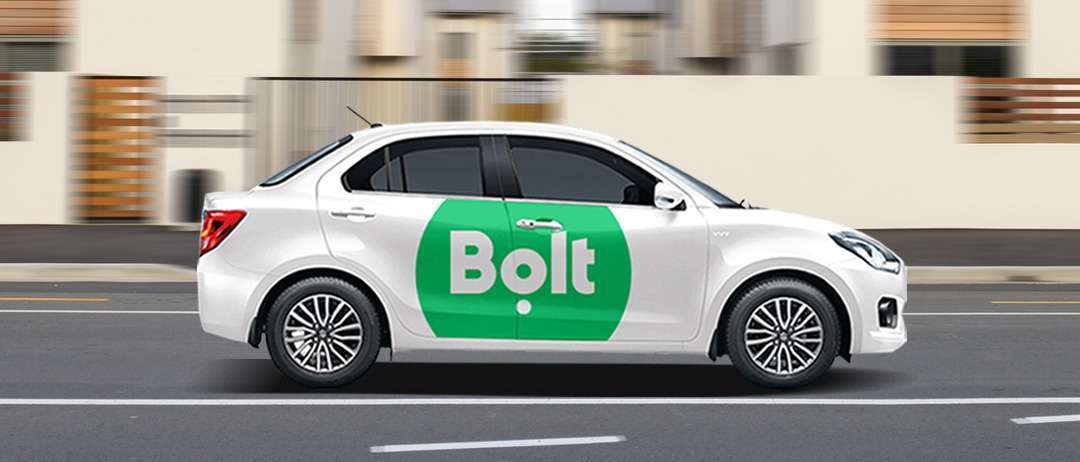
A fake notice claiming that Bolt was preparing to leave Kenya from June 8 circulated widely on social media and messaging platforms this week, forcing the ride-hailing firm to issue a swift denial.
In a statement dated June 1, Bolt said the document was fraudulent and had not been issued by the company or any of its authorised representatives.


“We wish to categorically state that this document is FAKE and did not originate from Bolt Kenya or any of its authorised representatives,” the company said in the statement issued by Dimmy Kanyankole, Bolt’s senior general manager for East Africa.
Bolt said it remained fully operational in Kenya and was still serving customers and driver-partners. The firm added that it was investigating the source of the fabricated notice and urged the public to rely only on its verified channels for official communication.
The notice was false. But the speed with which it spread points to a deeper issue: Bolt operates in a market where mistrust between ride-hailing platforms, drivers and passengers has been building for years.
For many drivers, the grievance is not new. It is about earnings.
Bolt, which entered Kenya in 2016 as Taxify, grew into one of the country’s largest ride-hailing platforms by offering cheaper rides in a highly competitive market. Those fares helped attract passengers, but drivers have often argued that the model leaves them with thin margins after fuel, insurance, vehicle maintenance, loan repayments and platform commissions are deducted.
The government attempted to address part of the dispute through the National Transport and Safety Authority regulations on transport network companies. The rules capped the commission charged by platforms at 18 percent of total trip earnings and set out licensing, safety, data protection and complaint-handling obligations for ride-hailing firms.
But the regulation did not end the fight.
In 2022, drivers on platforms including Uber and Bolt staged protests accusing the regulator of moving slowly in enforcing the new commission cap. At the time, driver groups said the law had been gazetted but had not been fully implemented, leaving drivers exposed to higher platform charges.
The dispute escalated again in 2023 when NTSA declined to renew Bolt’s operating licence, citing complaints over commission charges and a booking fee. The regulator said the matter touched on compliance with the transport network company regulations.
Bolt denied breaching the commission rules. Its then Kenya country manager, Linda Ndungu, said the company’s commission structure complied with the 18 percent cap.
“There was a misconception that Bolt was charging more than the stipulated 18% commission due to the booking fee. However, our commission structure strictly adheres to the stipulated regulatory requirement of capping at 18%,” Ms Ndungu said at the time.
Bolt later received its operating licence after addressing the regulator’s concerns, including dropping the booking fee that had become a sticking point in the dispute.
Still, the episode hardened perceptions among sections of drivers who felt that the legal commission cap had not resolved the bigger problem: low fares.
That remains the most persistent source of tension. Drivers say that even where commissions are capped, the amount they take home depends on the fare charged to passengers. If the fare is too low, they argue, the law offers limited relief.
This explains why some passengers have experienced frequent cancellations, requests for top-ups, off-app negotiations or drivers declining short trips. Those practices frustrate passengers, but they also reflect the pressure drivers say they face in trying to make trips commercially viable.
The conflict is therefore structural. Passengers want affordable rides. Platforms compete on price. Drivers shoulder most operating costs. Regulators are expected to protect both consumers and workers while keeping the market open.
Bolt is not the only platform facing driver complaints. In 2025, drivers on platforms such as Uber, Bolt, Faras, Yego, and Little Cab accused ride-hailing firms of unfair practices and threatened industrial action.
Even so, Bolt appears to attract sharper public scrutiny, partly because of its size, pricing history and past regulatory disputes. The company is one of the most visible ride-hailing brands in Kenya, meaning more drivers depend on it for trips and more passengers encounter it daily.
Rivals have also tried to position themselves as more driver-friendly. Yego entered Kenya promising a 12 percent commission, personal accident cover for drivers and medical cover for qualifying drivers. Little Cab has previously said it complied with the NTSA regulations and had received a Transport Network Licence Certificate from the authority.
That does not mean those platforms are free of complaints. It means Bolt’s disputes have been more visible, more frequent in public debate and more closely tied to regulatory action.
Passenger trust has also been affected by safety concerns.
In 2023, Bolt expelled more than 5,000 drivers in Kenya over six months, citing non-compliance and safety-related issues. The company said the move was part of efforts to tighten safety standards on its platform.
Safety complaints are especially damaging for ride-hailing firms because the platform is the point of trust between a passenger and a stranger’s vehicle. Where passengers complain of poor service, harassment, assault, account misuse or fare disputes, the company is expected to act quickly, even where the driver is an independent contractor.
This has left Bolt managing pressure from both sides. Drivers accuse platforms of squeezing their earnings. Passengers complain about service quality, safety and reliability. Regulators demand compliance. Platforms, meanwhile, say they must balance affordability, driver earnings and business sustainability.
That is the environment in which the fake exit notice spread.
The document was not official, and Bolt has clearly denied it. But it travelled quickly because it landed in a market already shaped by years of disputes over fares, commissions, safety and trust.
Bolt is not leaving Kenya. The company says it remains operational and committed to the market.
But the episode has exposed how fragile confidence remains in Kenya’s ride-hailing sector. The industry is still searching for a balance that keeps fares affordable for passengers, earnings viable for drivers, platforms commercially sustainable and safety standards credible.
Until that balance is found, Bolt Kenya is likely to remain both widely used and frequently criticised: a platform many passengers rely on, and one that many drivers continue to challenge.







![President William Ruto flanked by Environment CS Aden Duale. [PCS]](https://newstrends.co.ke/wp-content/uploads/2025/02/President-William-Ruto-flanked-by-Environment-CS-Aden-Duale-PCS-768x480.jpg)
