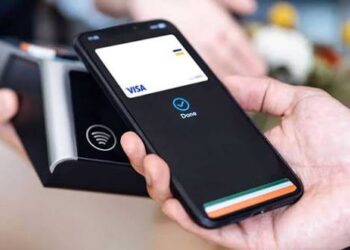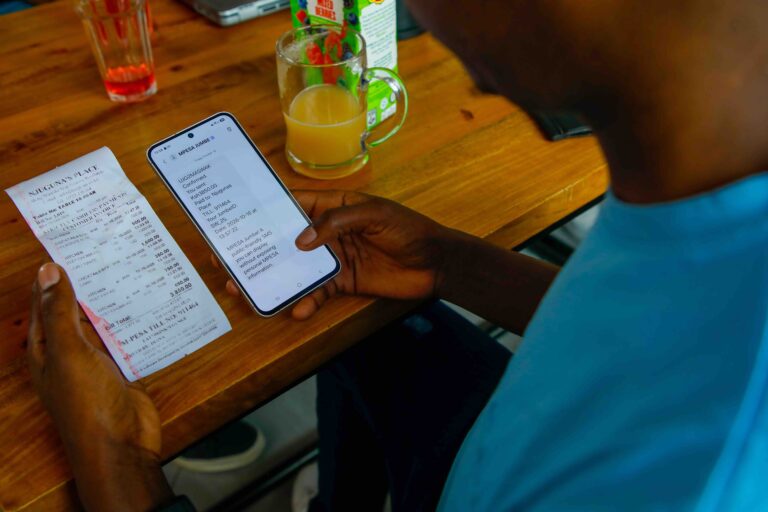
In recent weeks, we saw an interesting shift: Uber cancelled Visa payments in Kenya, a move that points to mounting pressure on payment economics for global digital platforms operating in the market. The decision followed an internal cost review and reflects how payment rails now sit at the centre of margins, pricing, and scale.
For platforms processing millions of low-value transactions, minor fee differences accumulate fast. In Kenya, international card payments attract higher processing and settlement costs than local rails. Mobile money settles locally and more quickly. At scale, this gap becomes material.


The move has reopened debate across the sector. Ride-hailing, food delivery, e-commerce, and subscription platforms face the same decision points. Support a wide range of payment methods and absorb higher costs. Or streamline options to protect margins and unit economics.
Glovo spokesperson commented, “Glovo continues to accept all payment methods for your convenience, including Visa, Mastercard, Google Pay, Apple Pay, M-Pesa and cash. We remain committed to providing flexible payment methods for all our customers.”
The spokesperson reiterated that card payments remain material to Glovo’s business in Kenya. She noted that card-based transactions account for a significant share of platform transactions, driven by corporate users, higher-value baskets, and cross-border customers. Maintaining card acceptance supports revenue mix and access to premium segments.
This contrast shows how platforms are making different bets in the same market. Some prioritise cost efficiency and local volume. Others compete on flexibility, customer breadth, and lifetime value, even with higher processing costs.
The broader payments market in Kenya explains these choices. Mobile money dominates daily transactions. It offers instant settlement, predictable fees, and deep consumer trust. For platforms, it lowers exposure to foreign exchange risk and chargebacks. Telcos bring scale and distribution. M-Pesa connects millions of users and a large merchant base across sectors.
Card networks still play a central role. Mastercard and Visa remain necessary for corporate travel, international visitors, subscriptions, and higher-value digital spend. Virtual cards linked to mobile wallets continue to narrow the gap between local and global payment rails. Digital wallets such as Apple Pay and Google Pay are gaining ground among urban users.
What is changing is leverage. As mobile money volumes grow, platforms gain stronger negotiating power. Card networks face pressure to localise pricing and settlement structures. Telcos strengthen their position in digital commerce. Payment choice increasingly reflects competitive strategy rather than technical setup.
Uber’s decision is unlikely to remain isolated. Other platforms are reviewing payment mixes as margins tighten and investor scrutiny grows. Glovo’s stance presents an alternative path in which absorbing higher costs supports growth, retention, and higher-value demand.
At the same time, Glovo has taken a partnership-led approach to payments, working with card networks, mobile money providers, and digital wallets to serve users across different payment preferences. The platform also uses targeted incentives to drive adoption across payment tiers. As of this morning, the app is running a 20 per cent discount for customers paying with Mastercard. By integrating multiple payment platforms and aligning them with pricing incentives, the company aims to meet customers where they are, whether they rely on cards, mobile wallets, or cash, while reducing friction across ordering and checkout experiences.
In Kenya’s platform economy, payments no longer sit in the background. They shape margins, partnerships, and customer loyalty. For global platforms, how users pay has become as strategic as what they buy.